
Benin Ganvie Lake Village
 Benin | Country 40 | 5 day |
With my e‑visa approved, I was thrilled to finally visit Benin.
- After the attempted coup in December 2025, I was grateful the country had moved past the unrest.
- Benin is the center of Vodun (known as Voodoo in the West), a living spiritual tradition.
- Once the land of Dahomey and its famed women warriors, many Beninese take pride in this history.
- Quite a few people speak English in addition to French—perhaps due to proximity to Nigeria and Ghana.
- After independence in 1960, Benin experienced a period of socialism that ended peacefully in 1990.
Day 1: Arriving in Ganvié and exploring the village
After a 24‑hour journey with two stopovers, my flight landed in Cotonou around 4 a.m. With a 10:30 meetup with Christopher from Hotel Germain (our host in Ganvié), I had time for a coffee in the lounge.
I set up Gozem (a local ride‑hailing app) and rode to the Abomey‑Calavi Ganvié jetty—about 30 minutes in morning traffic.
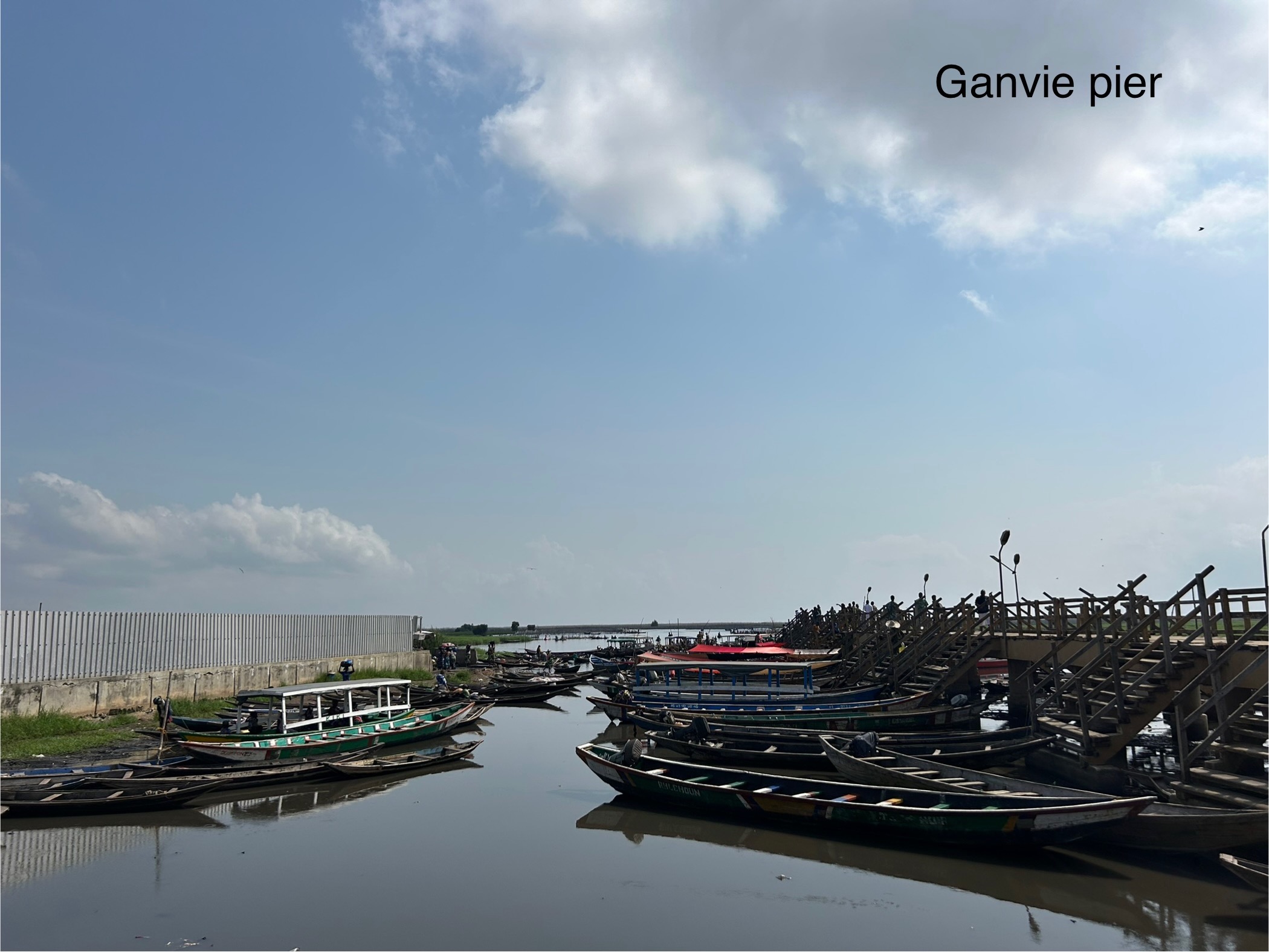
I arrived early and watched the pier bustle with people stepping on and off canoes and larger boats. A market sits on the far side for villagers to buy and sell. Kids and women sold snacks, hats, water, and more. Many children asked me for money—sadly, a common theme in Ganvié.
Women here sold fish and other goods, while their young children waited for them on the boats. 4–5-year-olds would climb onto different canoes that were not theirs and be at ease. Some canoes were even piloted by 4–5-year-olds.
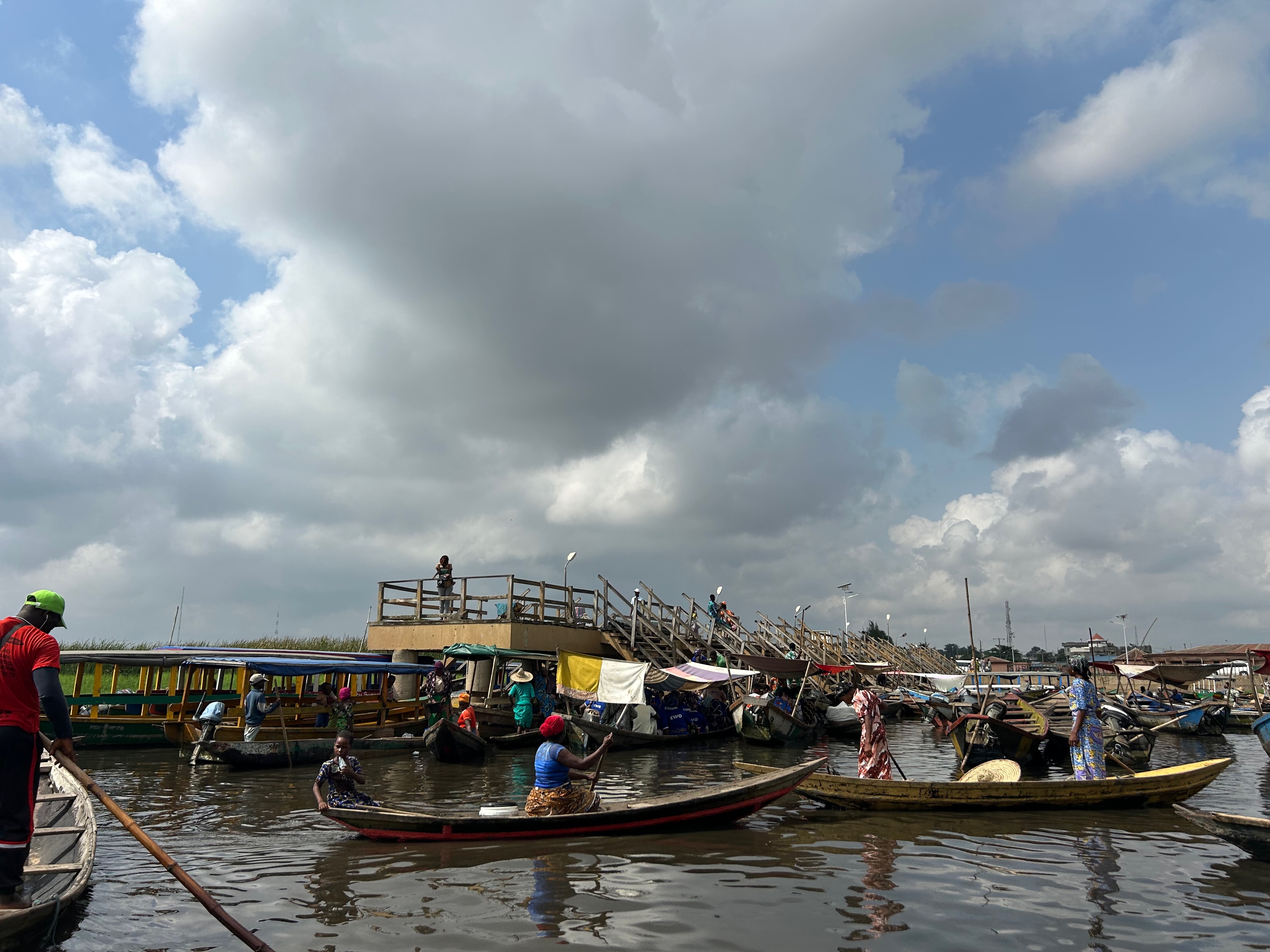
Then Christopher, wearing a Hotel Germain white shirt, found me. He had some shopping to do, and I asked to follow him to the market. He bought some potatoes, bananas (plantains), and more. (Pretty sure this is what we ate at the hotel too.)
A French couple (WFBM) joined us on the tour. Since my French is terrible, and her English was so-so, we only chatted briefly. After a bit of waiting, we took off to Ganvié.
Christopher explained that women here do not bring fish to the market directly. They first store their live fish by the water baskets about two minutes from the pier. If there are buyers at the appropriate price, they go back to the water to bring the fish. This happens because there is no refrigeration, and they need to keep the fish alive.
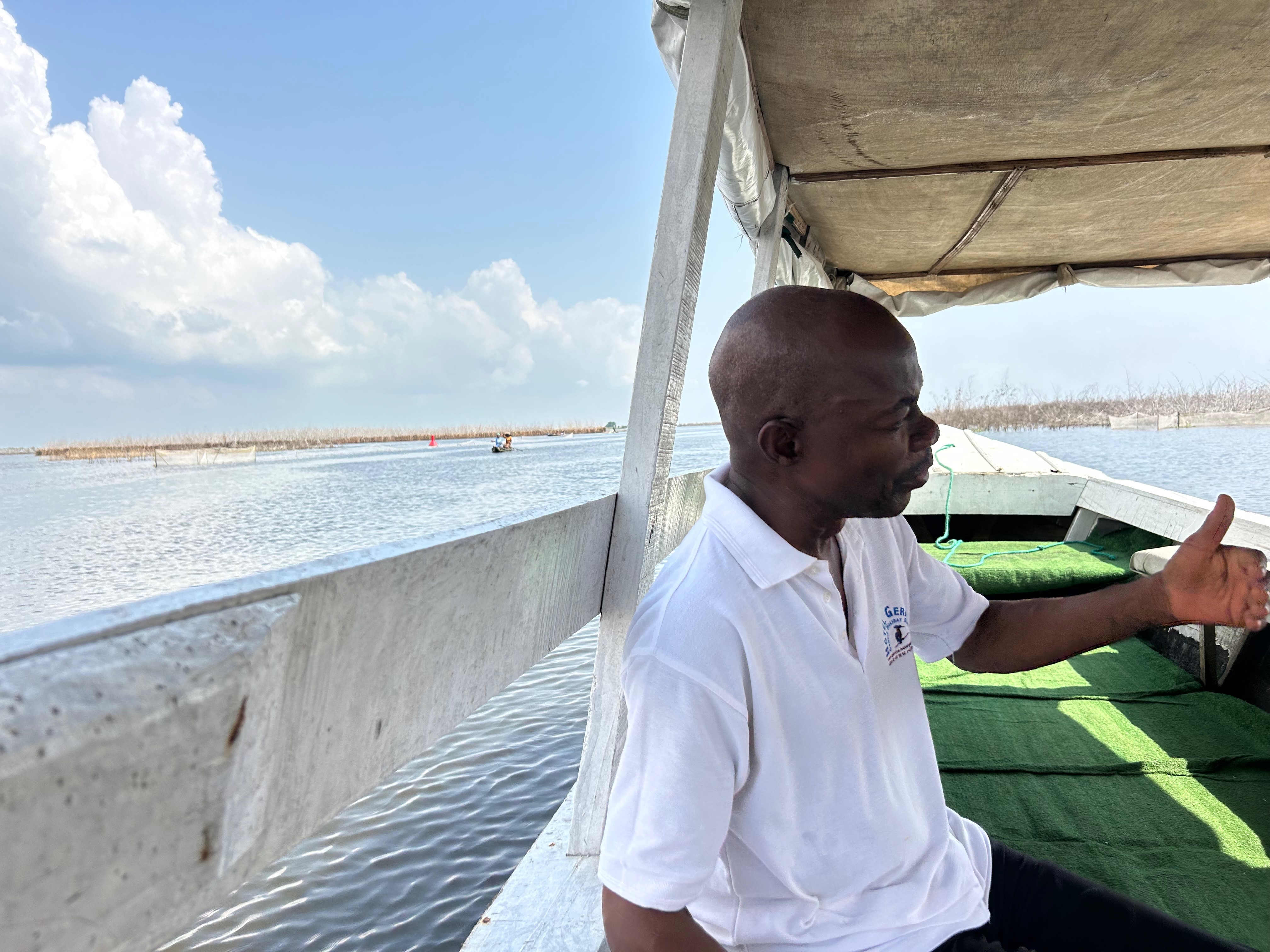
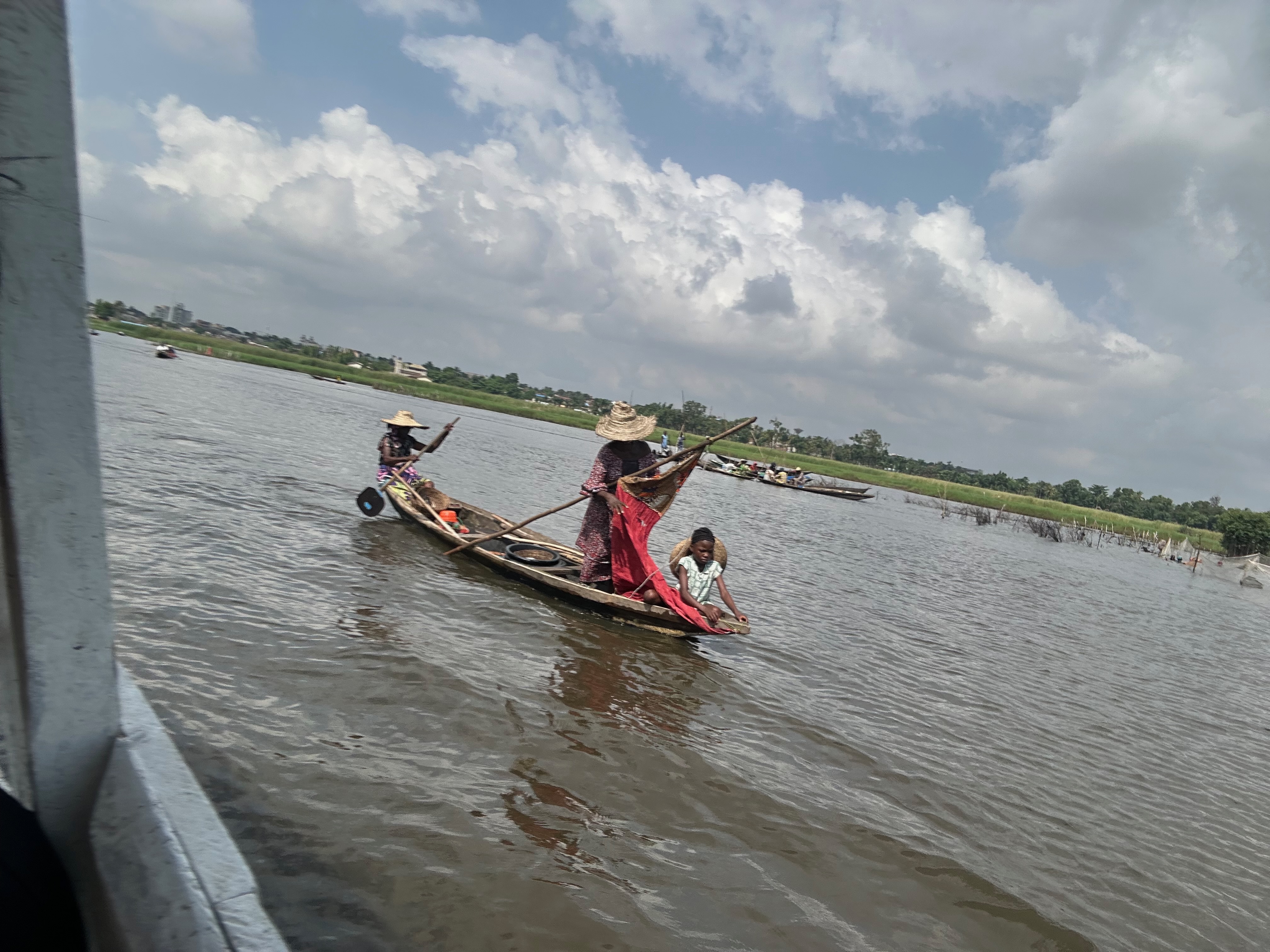
In the Ganvié community, there is a strict gender divide. Men will catch fish, women will sell fish. Each family will need 4 canoes, 1 for the man, 1 for the woman, 1 for the boys and 1 for the girls.
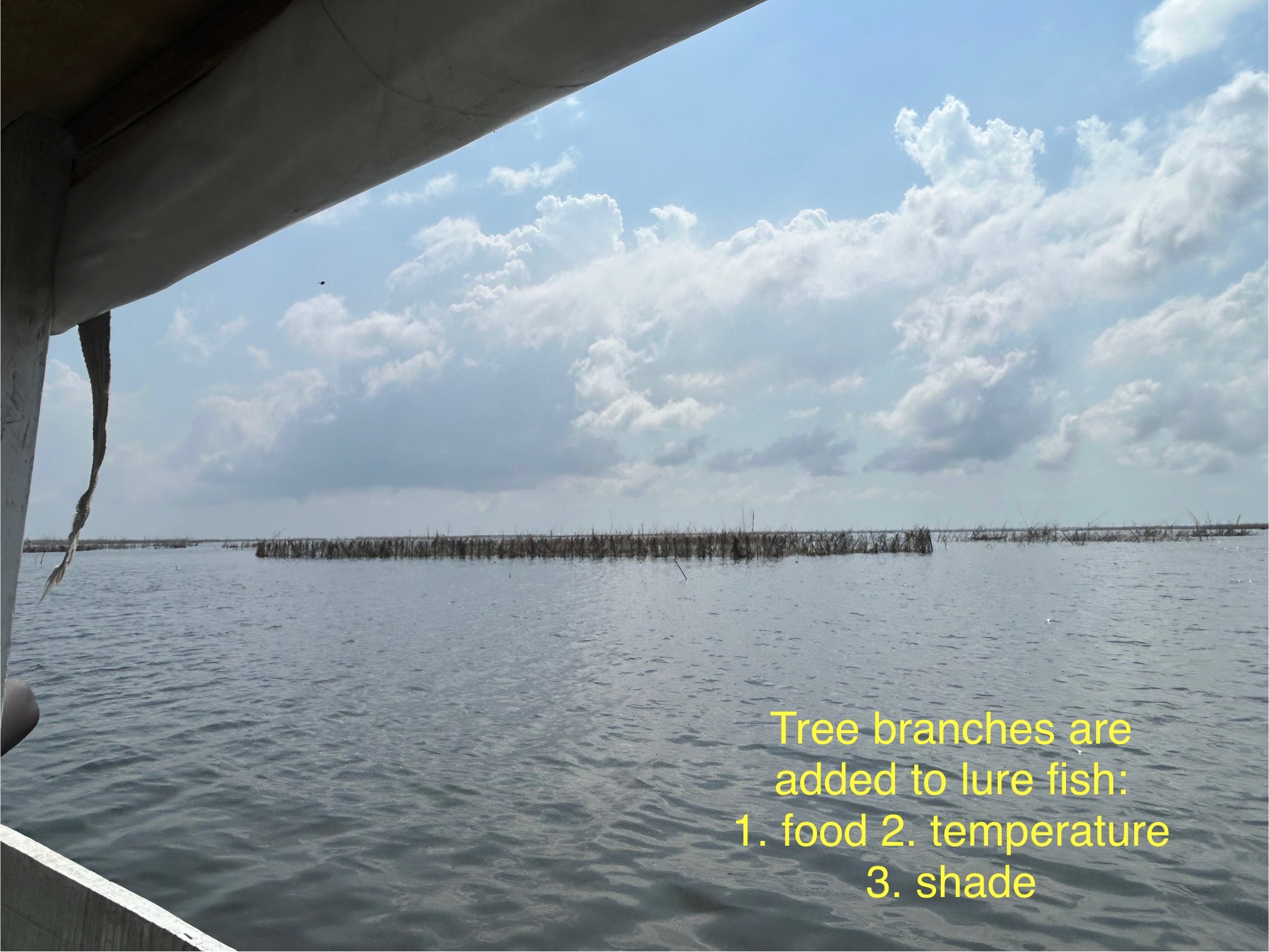
There were two main ways of fishing: 1) tossing nets into the water and 2) creating natural fish habitats with sticks and netting the area during harvest. For the fish harvesting, Christopher compared the timing of the harvest to investing: a good harvest can take three months to two years.
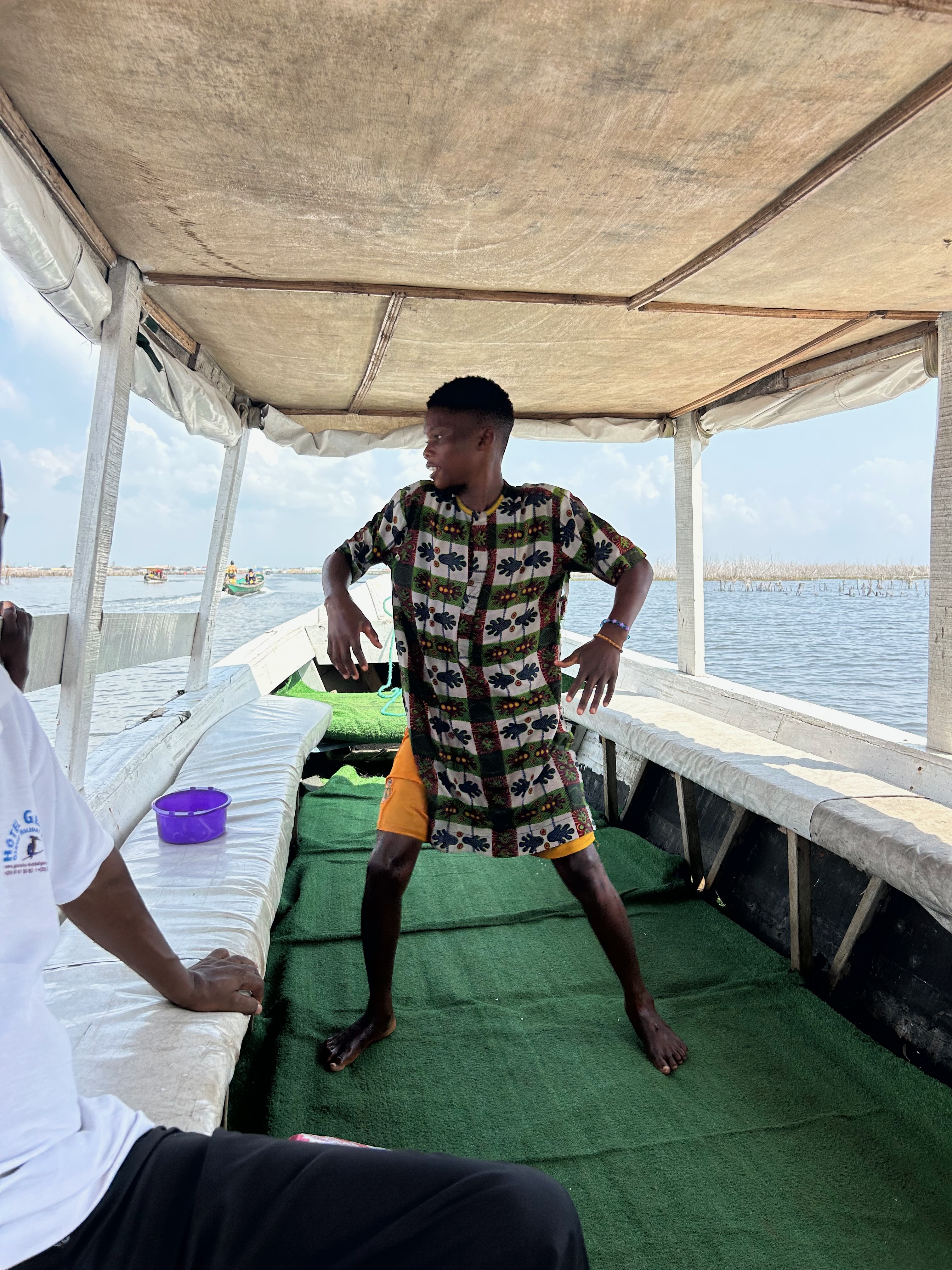 We heard drums in the distance. It was full of boys who were playing instruments. One even boarded our boat to dance.
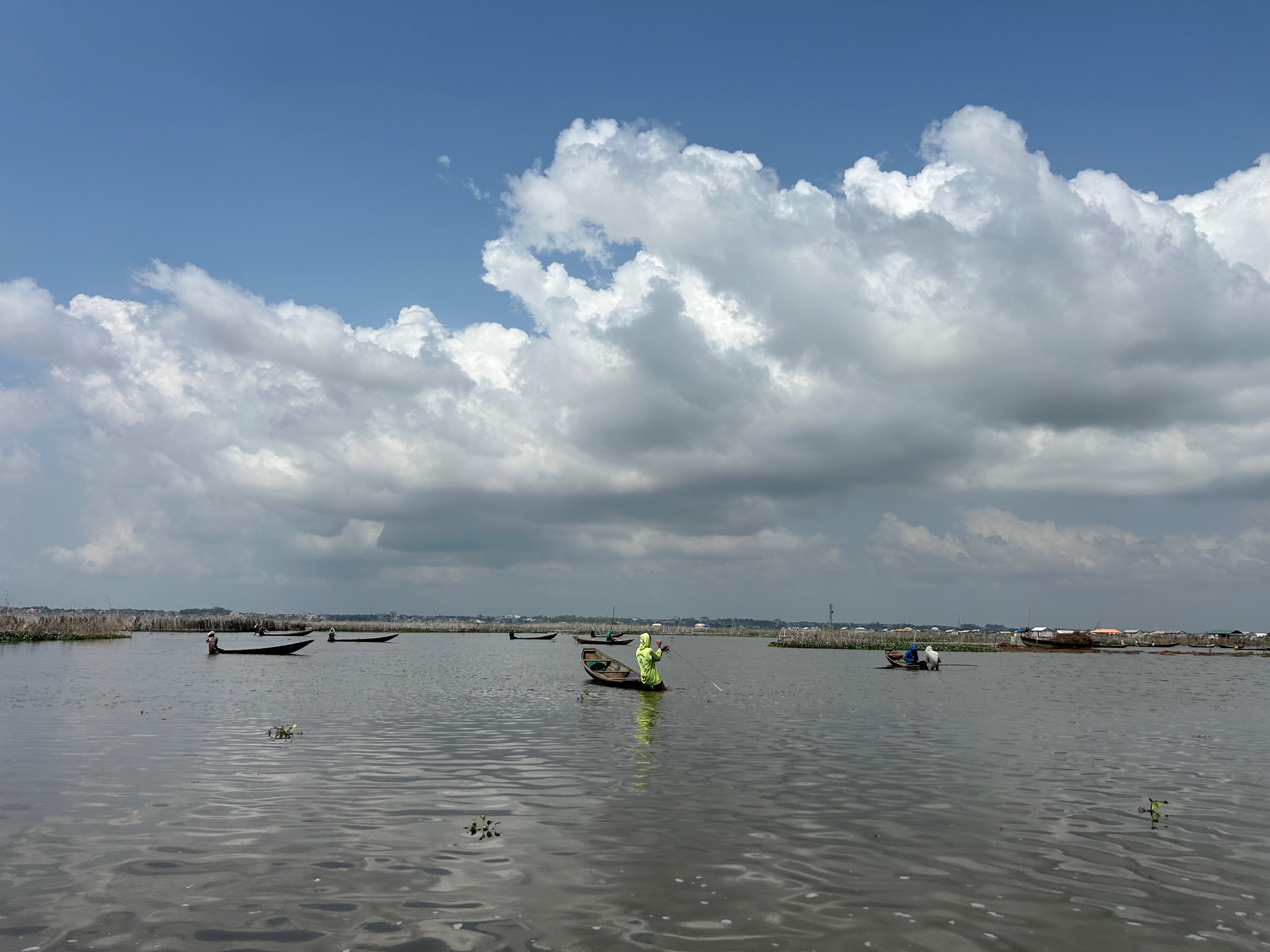
After about 30 minutes, Ganvié emerged on the horizon.
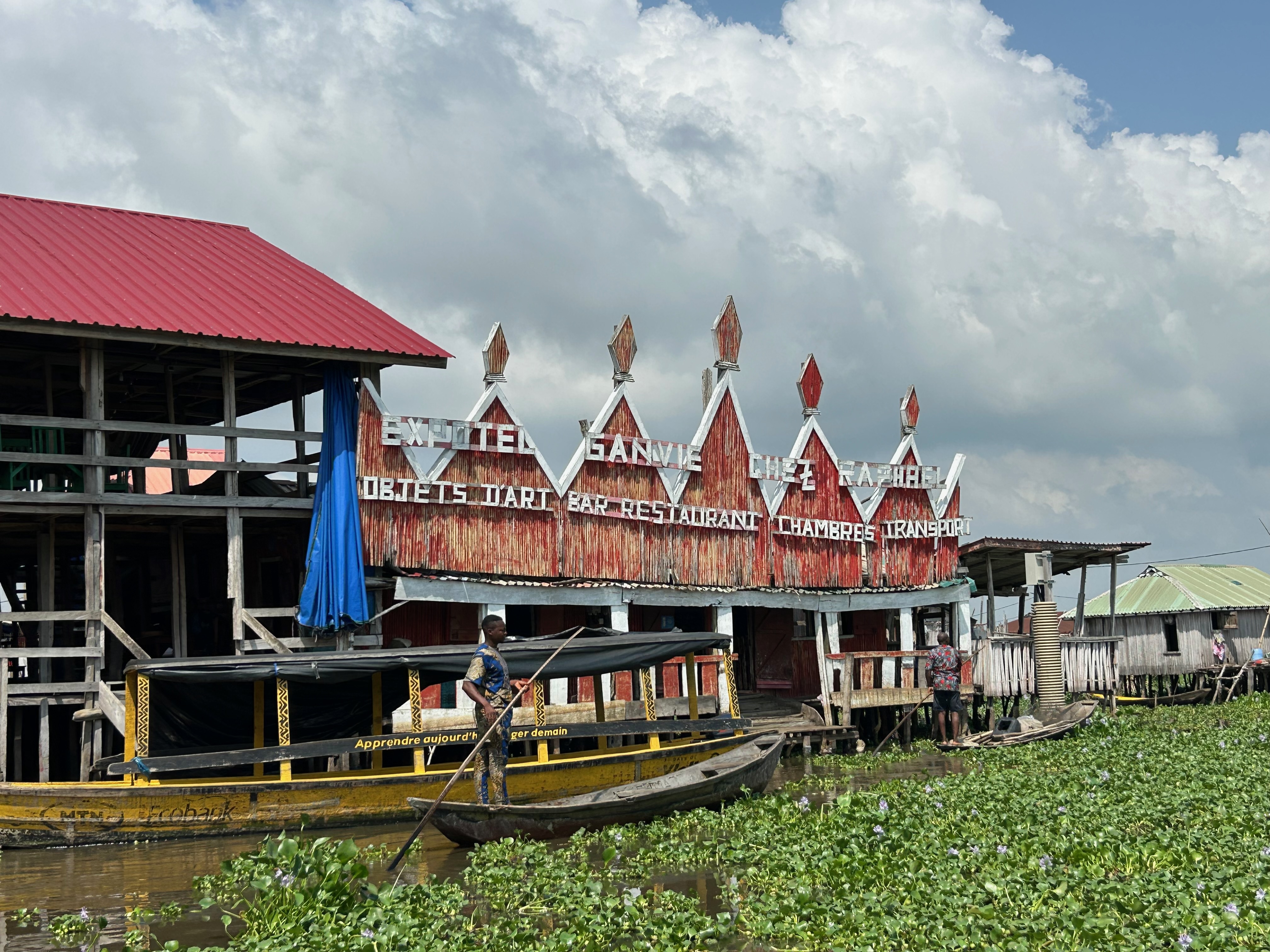
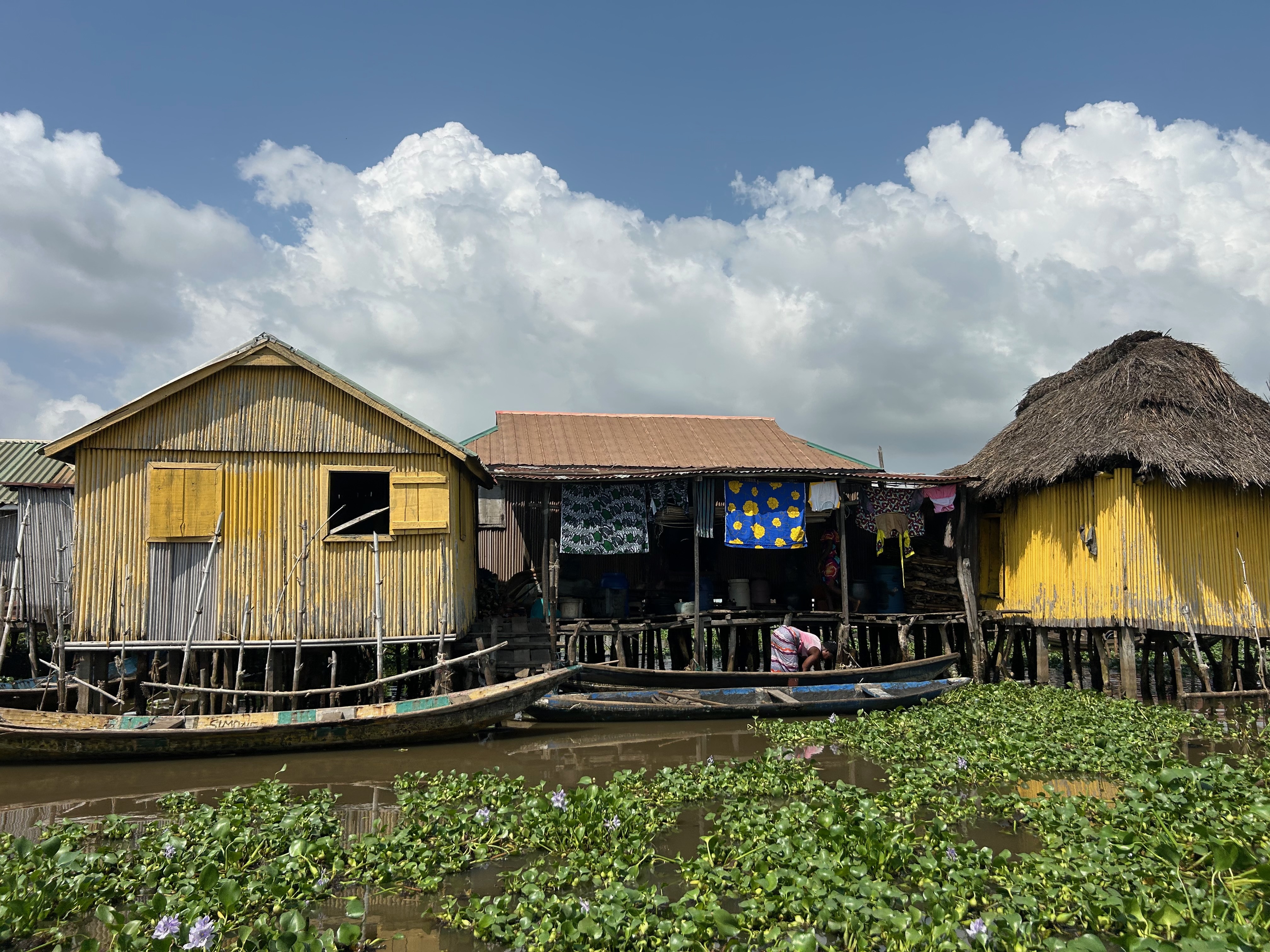
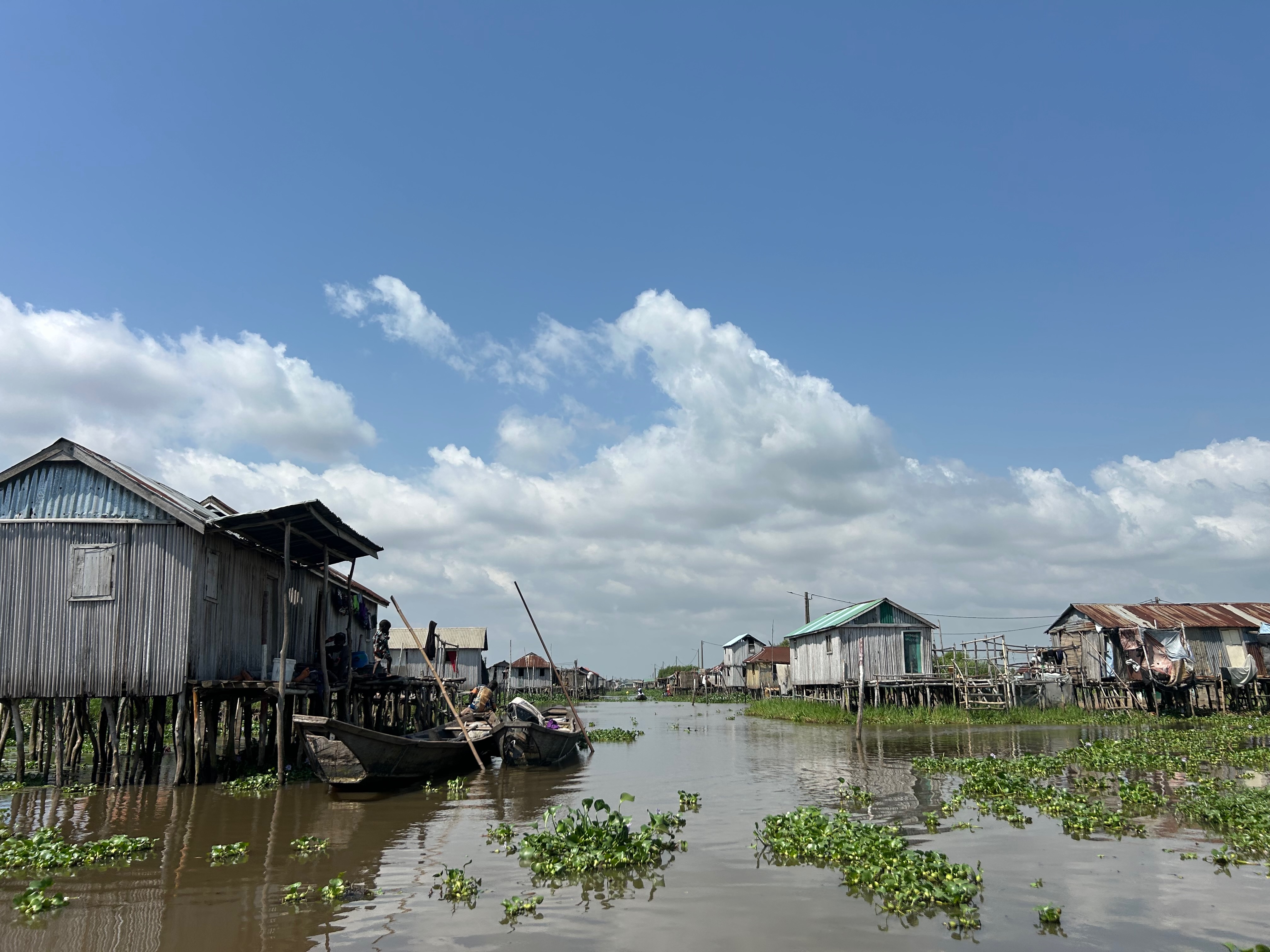
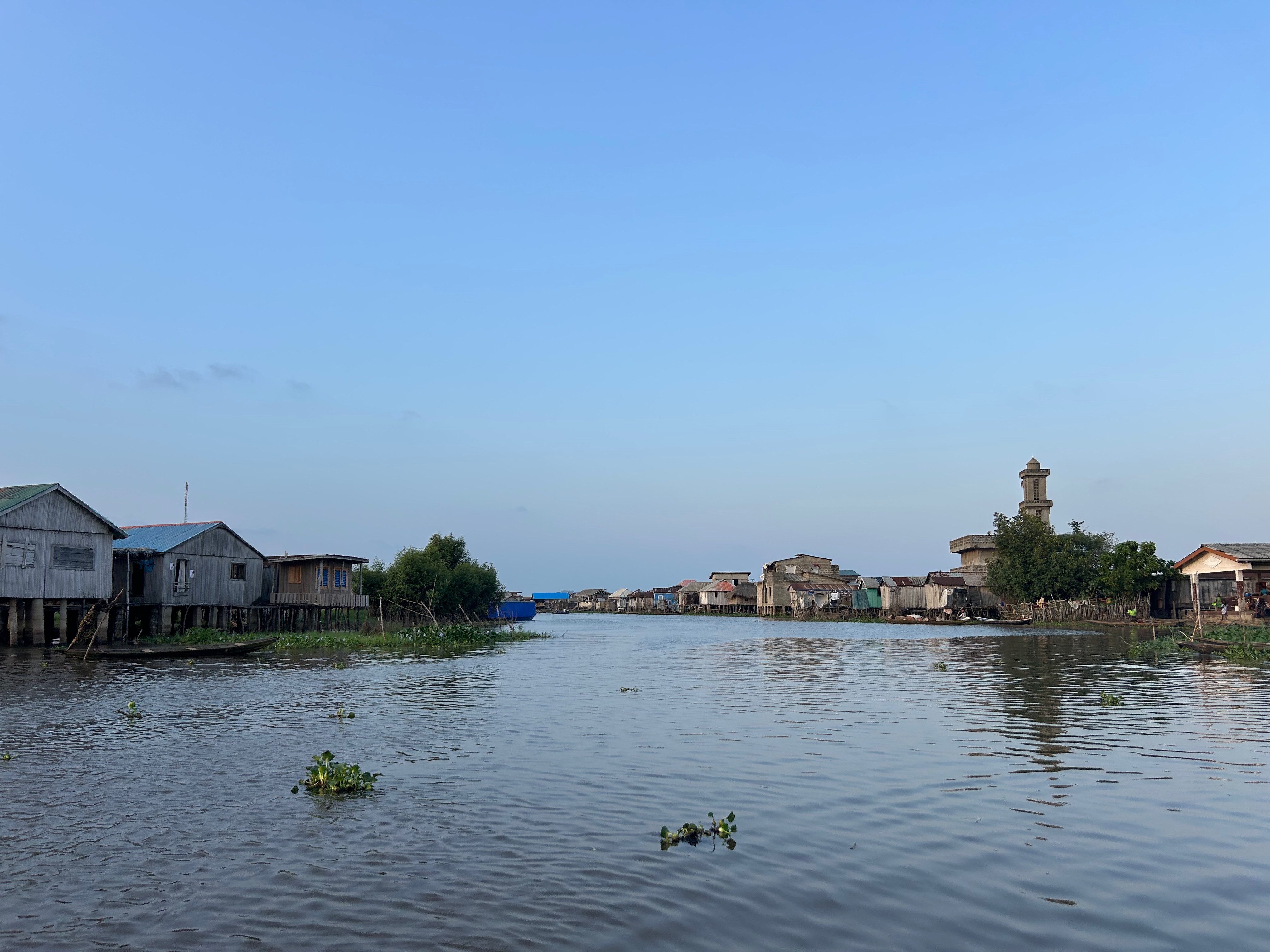
Over 50,000 people live on the water. We saw rows of houses on stilts—many built on thin wooden piles, others with concrete foundations. Christopher explained that wooden stilt‑based houses last about 20 years; many residents, tired of starting over, are choosing modern construction.
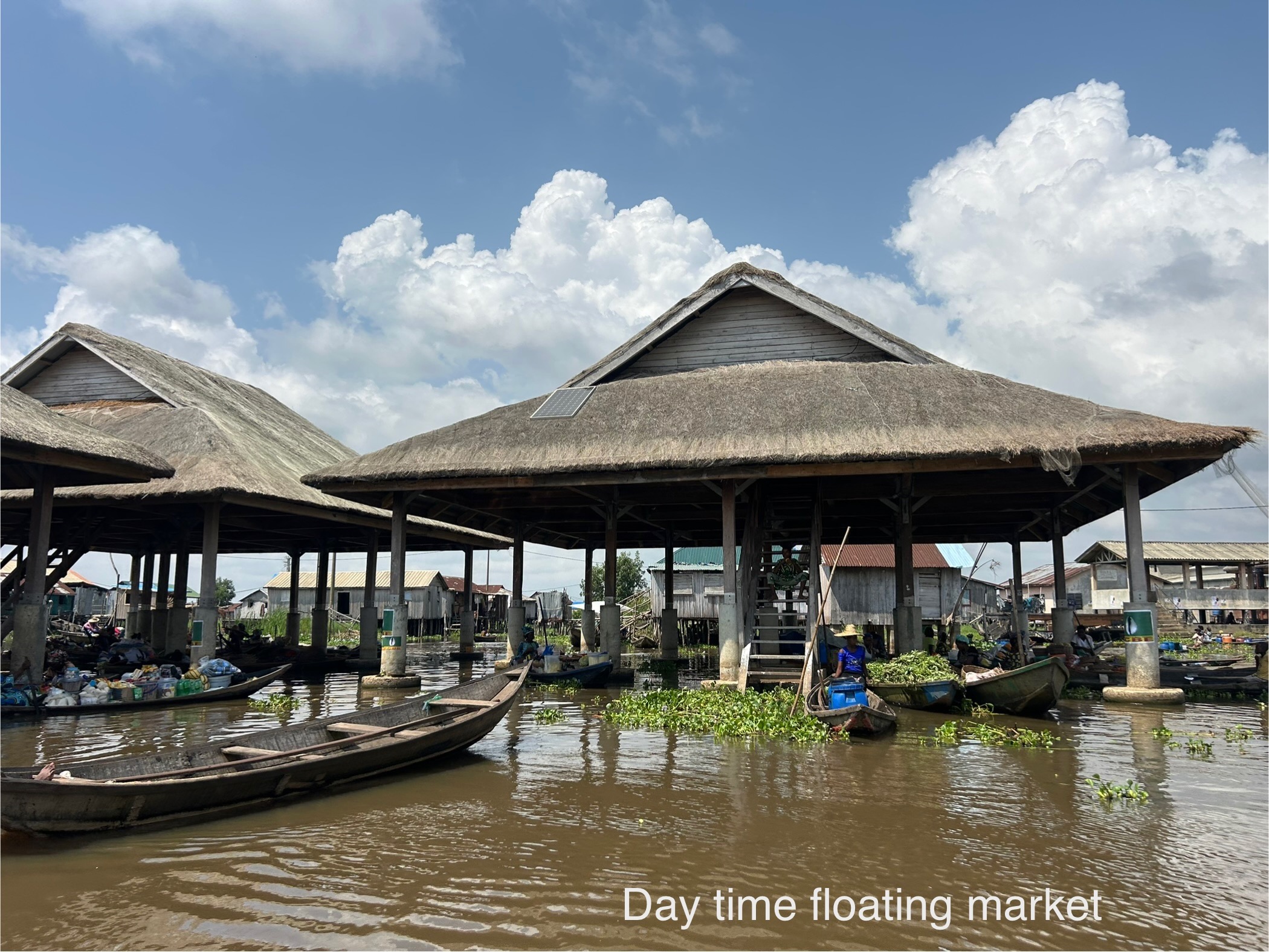
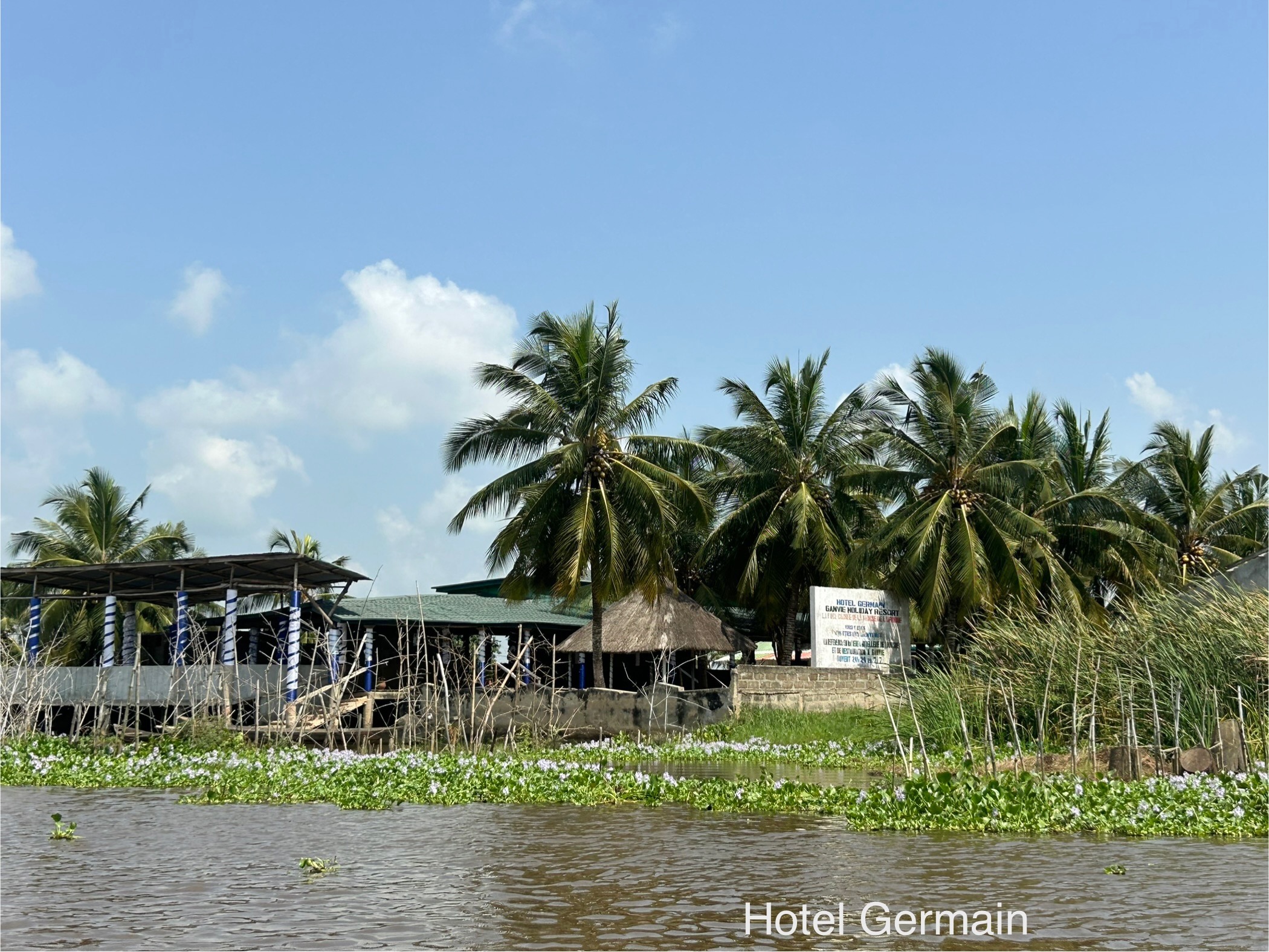
After settling into my room, I boarded a canoe for a tour of Ganvié. We saw:
- many fishermen setting nets around plants to harvest fish
- pigs and chickens on the balconies of these lake houses
- plots of dry land that had been landfilled (many are still submerged during the high-water wet season)
- floating shopping centers full of goods
- La Place des Amoureux for local matchmaking
- walking on a very large plot of land with Vodun statues, a mosque, and a drinking-water station…
- tons of children calling me yovo (white foreigner) and asking for l’argent
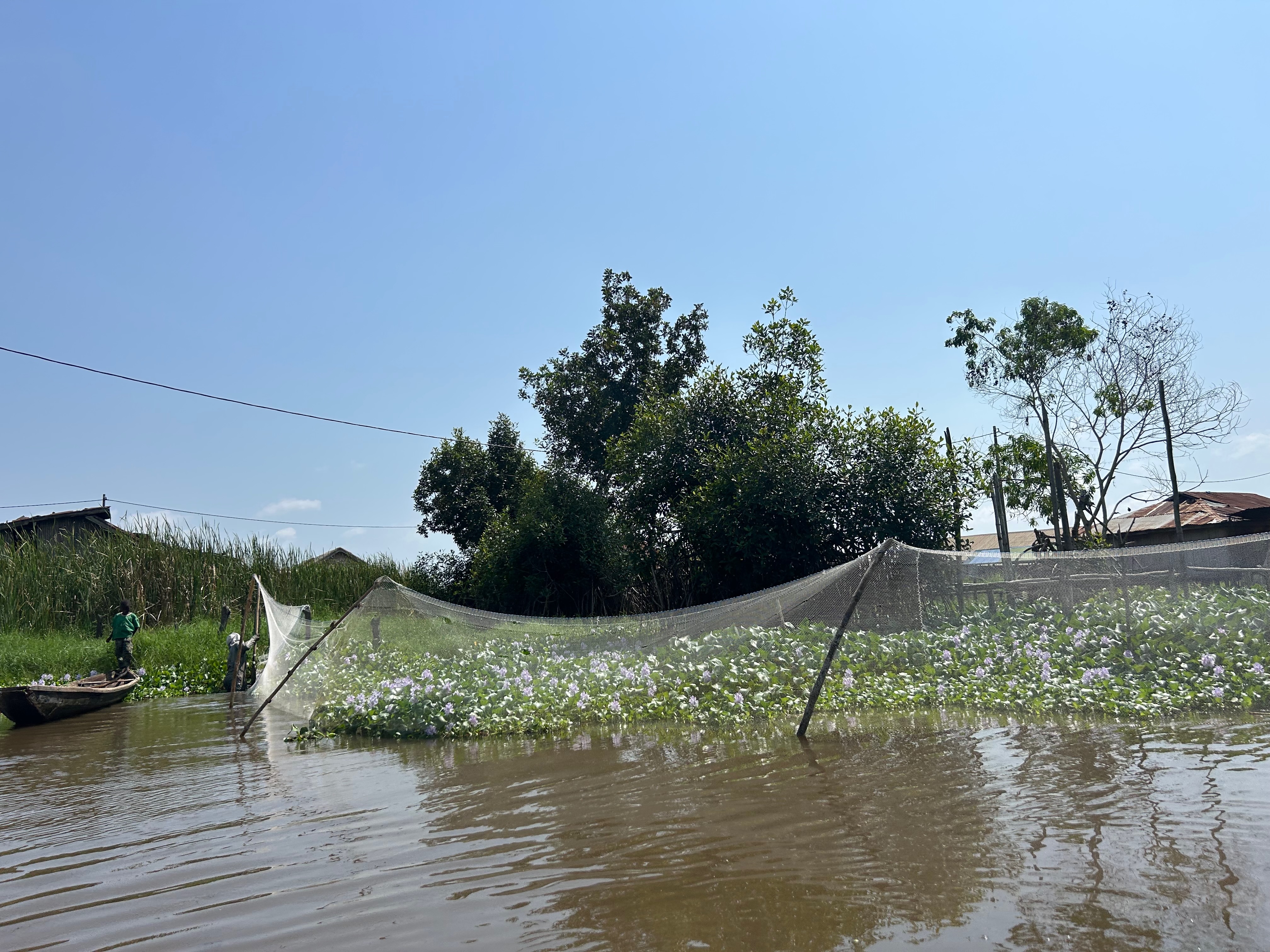 Right: men without shirts are often working in the waters, netting all the fish underneath the water.
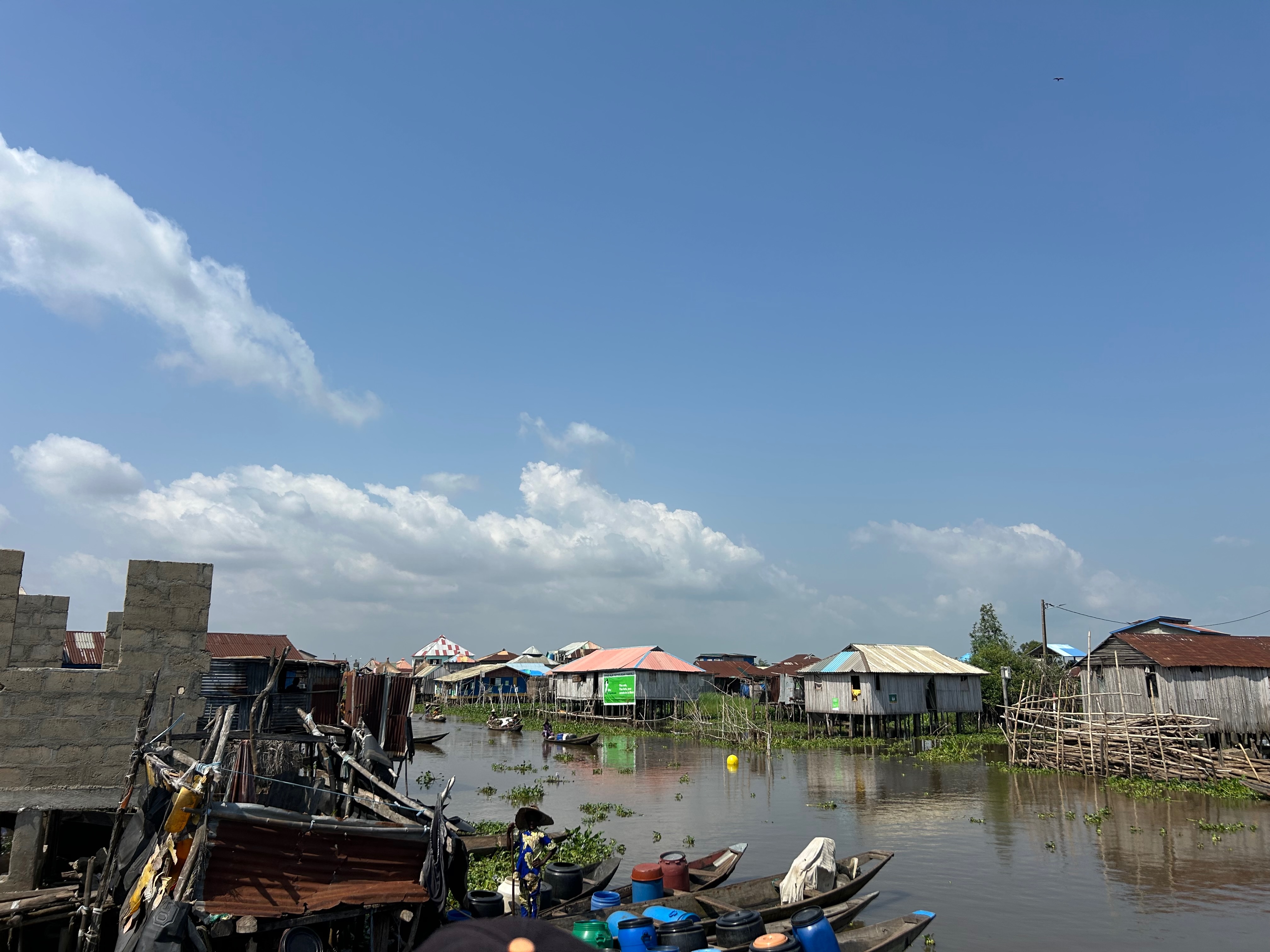
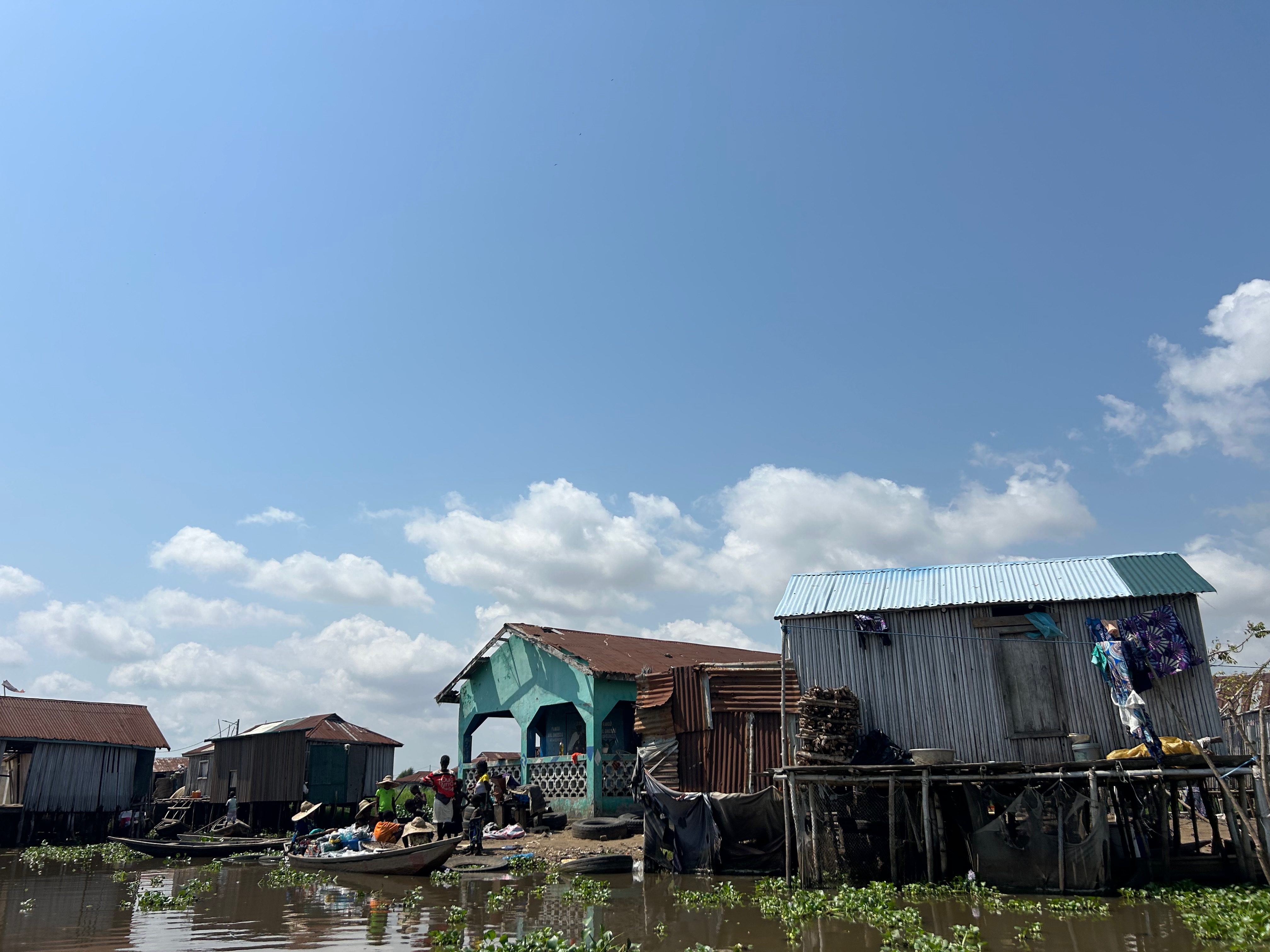
Bathrooms are often separate structures (tiny sheds) away from the main house (but I assume that they go straight into the lake to become fish food)
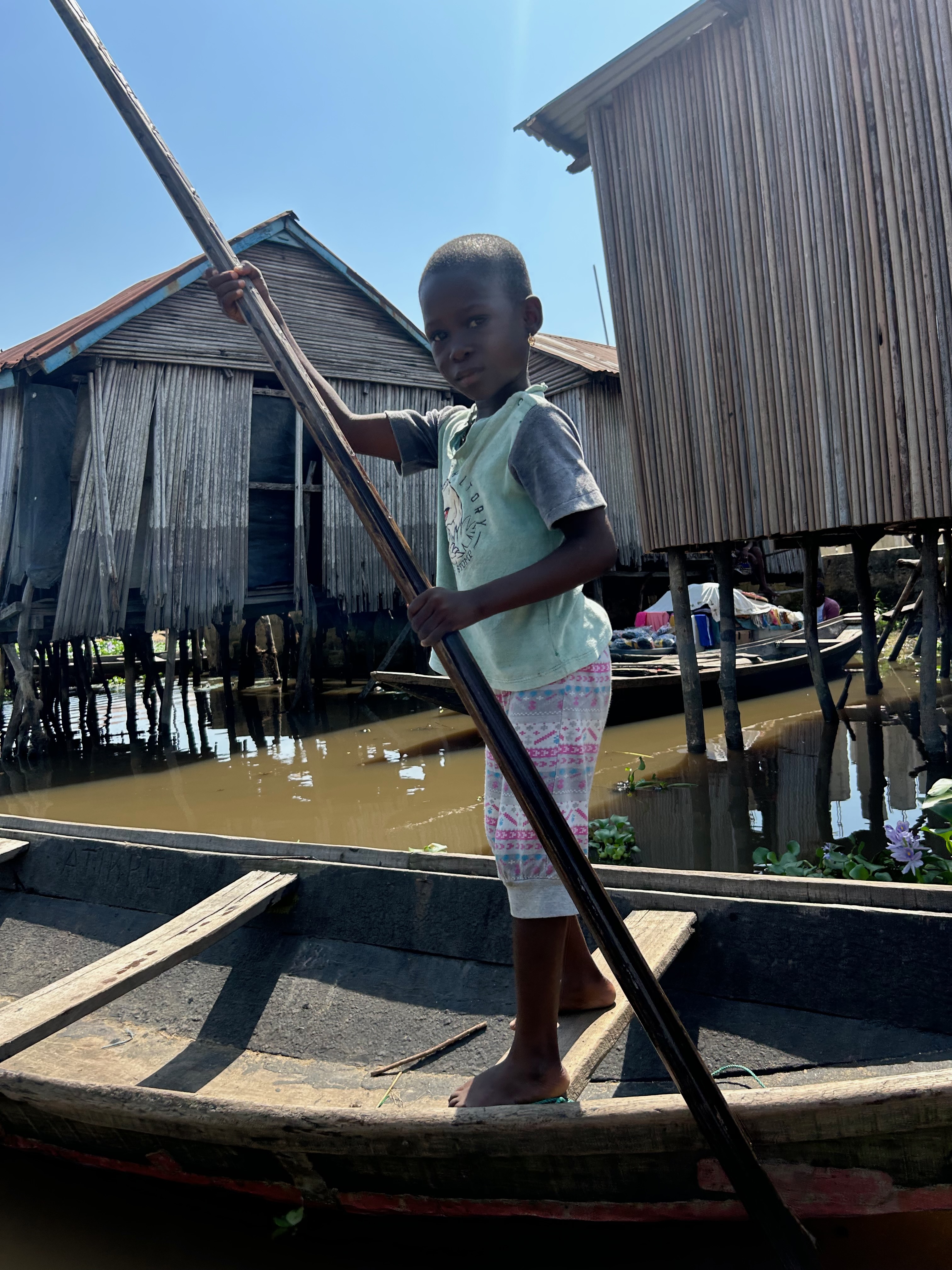
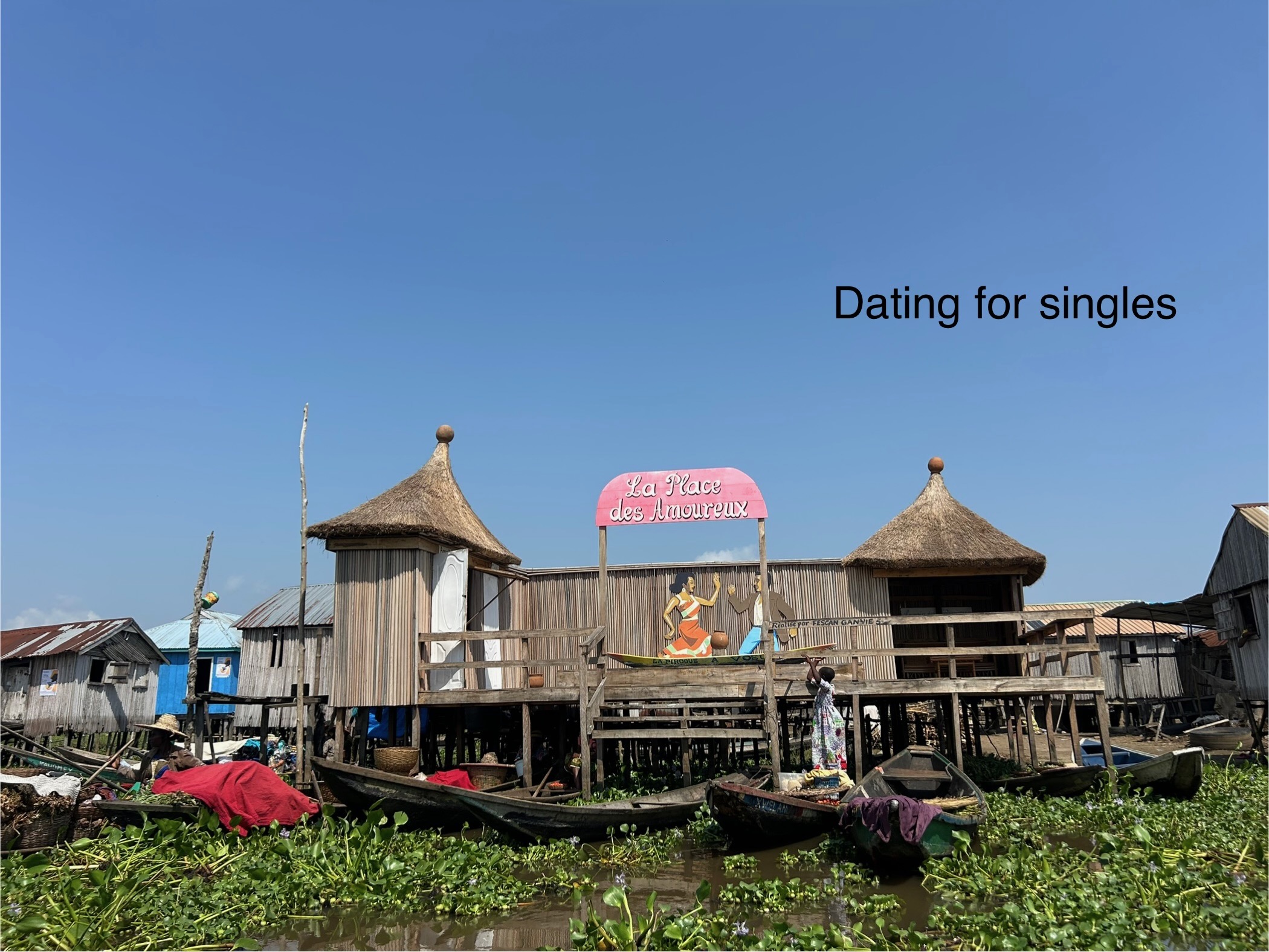
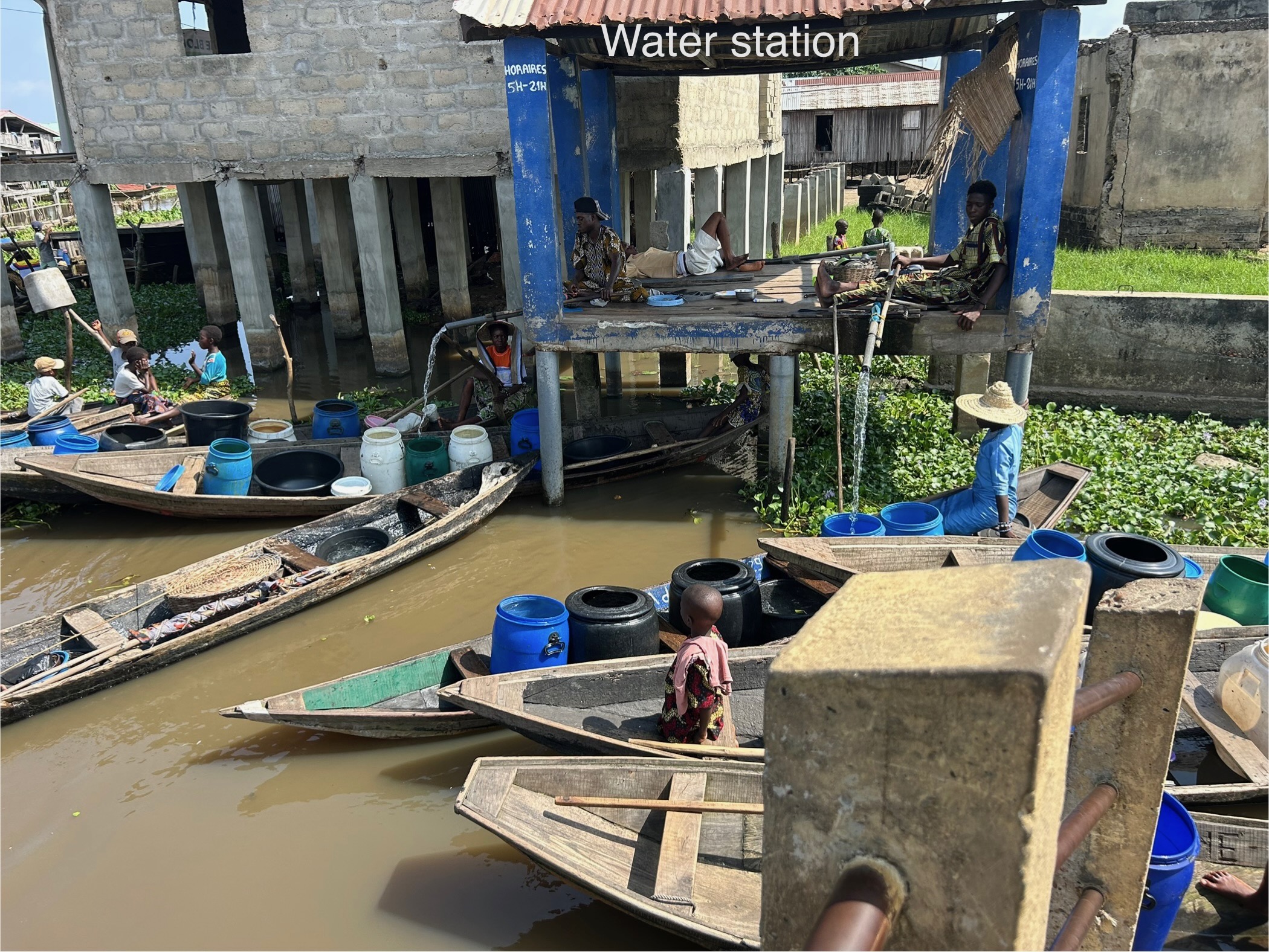
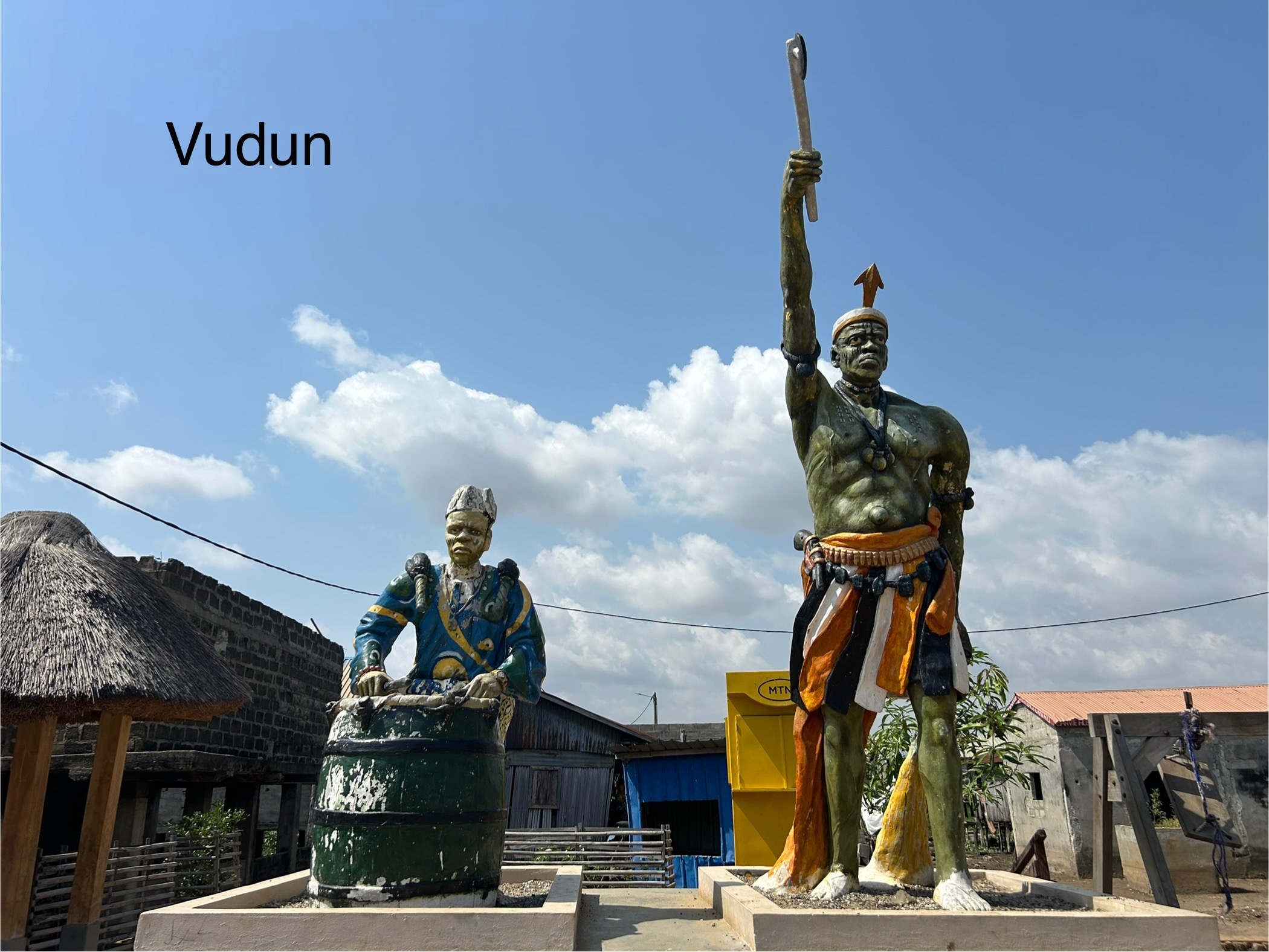 Left: Canoes with 3–5 jugs line up, and the boys at the water station spray water into the jugs
In the evening, Christopher, our boat captain, and I went on a birdwatching tour. We toured Lake Nokoué and saw the lake open up. Then we went upstream to the Sô River, which feeds into Lake Nokoué.
 !
!
There were many partial lake villages by the riverbanks. We stopped by a village called So-Tchanhoue and walked on land for around 10 minutes. The houses are on dry land on the riverbanks but had stilts because the land flooded for 1–2 months a year during the wet season. We saw many mosques and Catholic churches. There were many towns along the riverbank, and we could see children playing naked in the water, men returning home from a long day of fishing, and tiny green floating blobs on the water that would occasionally clog the boat’s rudder.
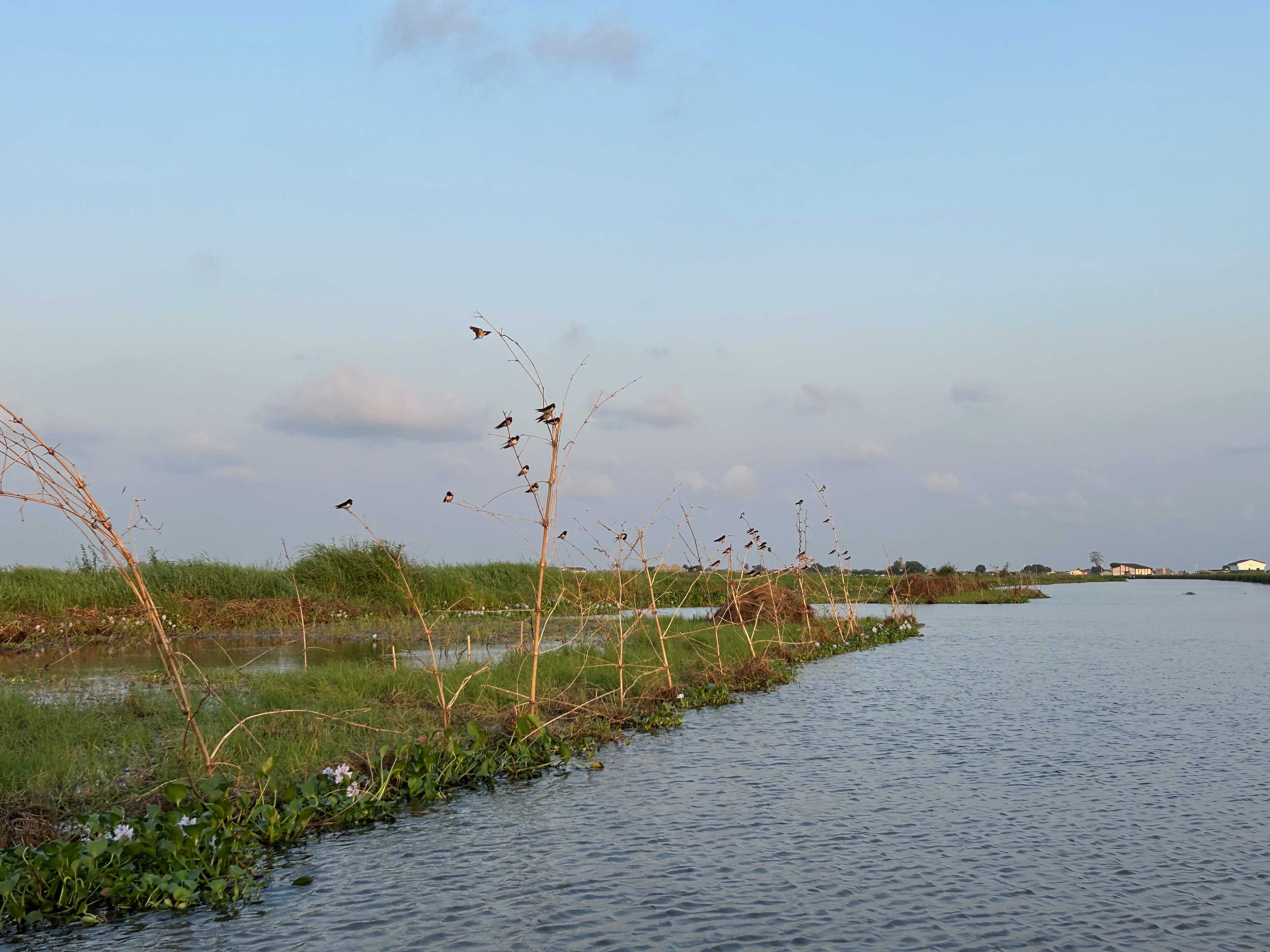
We saw plenty of birds—kingfishers, cormorants, and migratory sparrows from Europe. Along the riverbank, we saw empty holes in the mud banks that house the kingfishers.
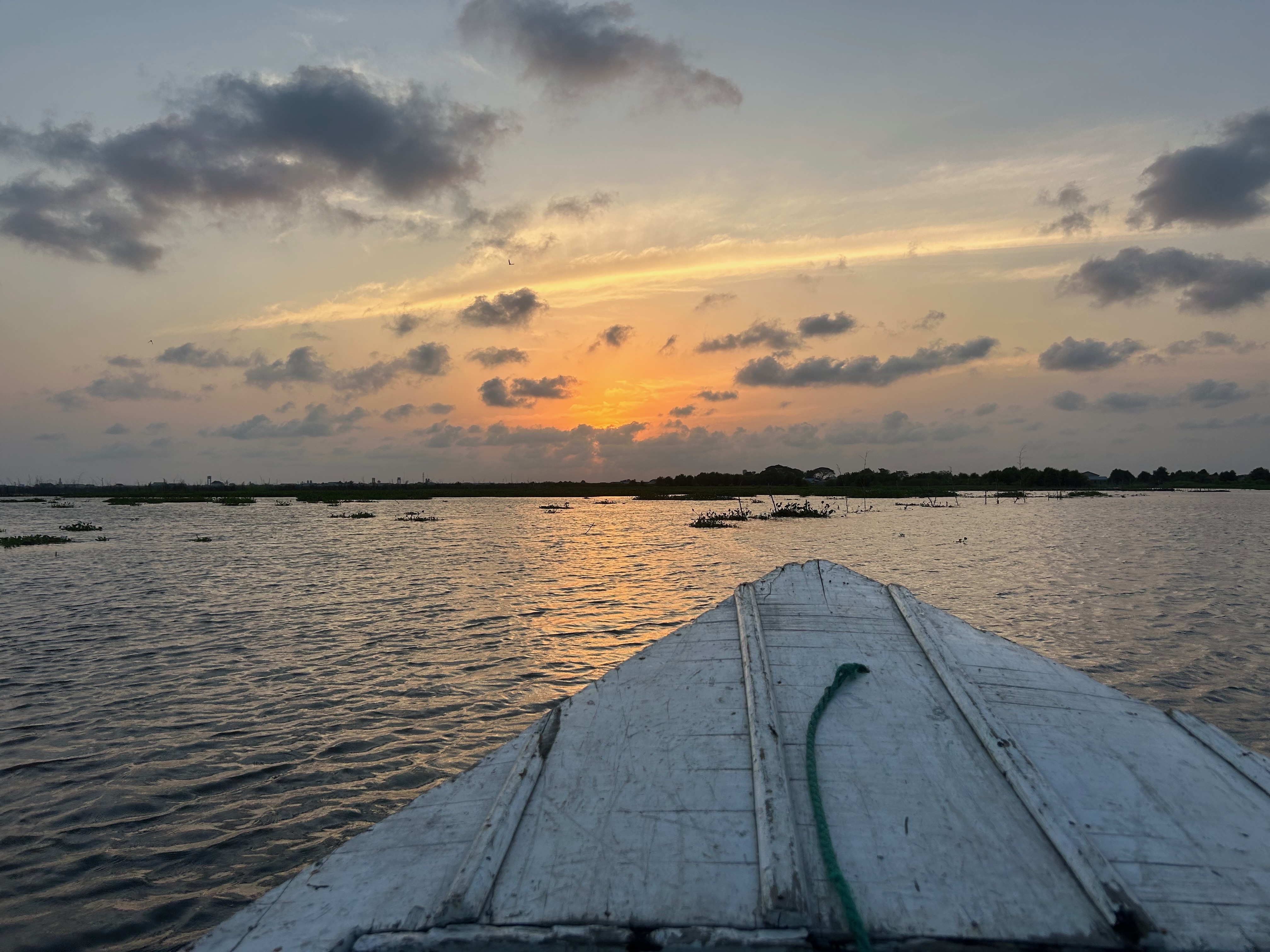
As the sun was setting, we pulled up the boat to the back entrance to Ganvié. Christopher told me about the history of the village.
Ganvié translates to “the people who have been saved.” The Dahomey kingdom captured enemies and sold them to the Europeans in exchange for guns and supplies. To avoid capture, the Tofinu people of this region moved into the water. According to local tradition, Dahomey warriors avoided fighting on water due to religious taboos, and Ganvié was born.
It’s amazing that after all these centuries, Ganvie still preserves its traditions.
At night, Ganvié is pitch black, and only about 5% of the homes have electricity. In the near dark, I watched men in canoes returning home to their families.
Day 2: Early Morning Market, Stuck without Fuel & Robbed on the Mainland?
We woke up extra early at 5:50 a.m. to see the early morning market.
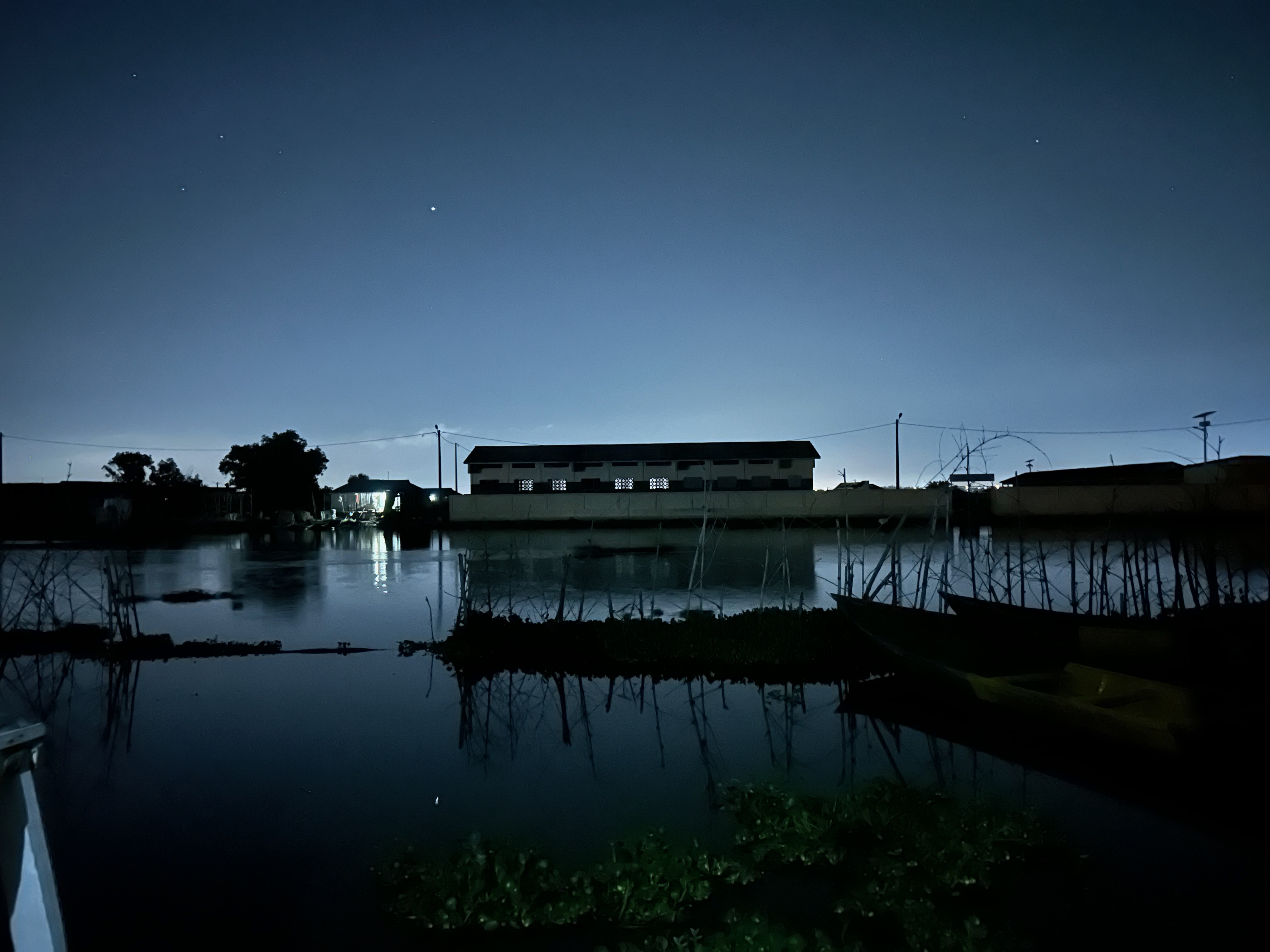
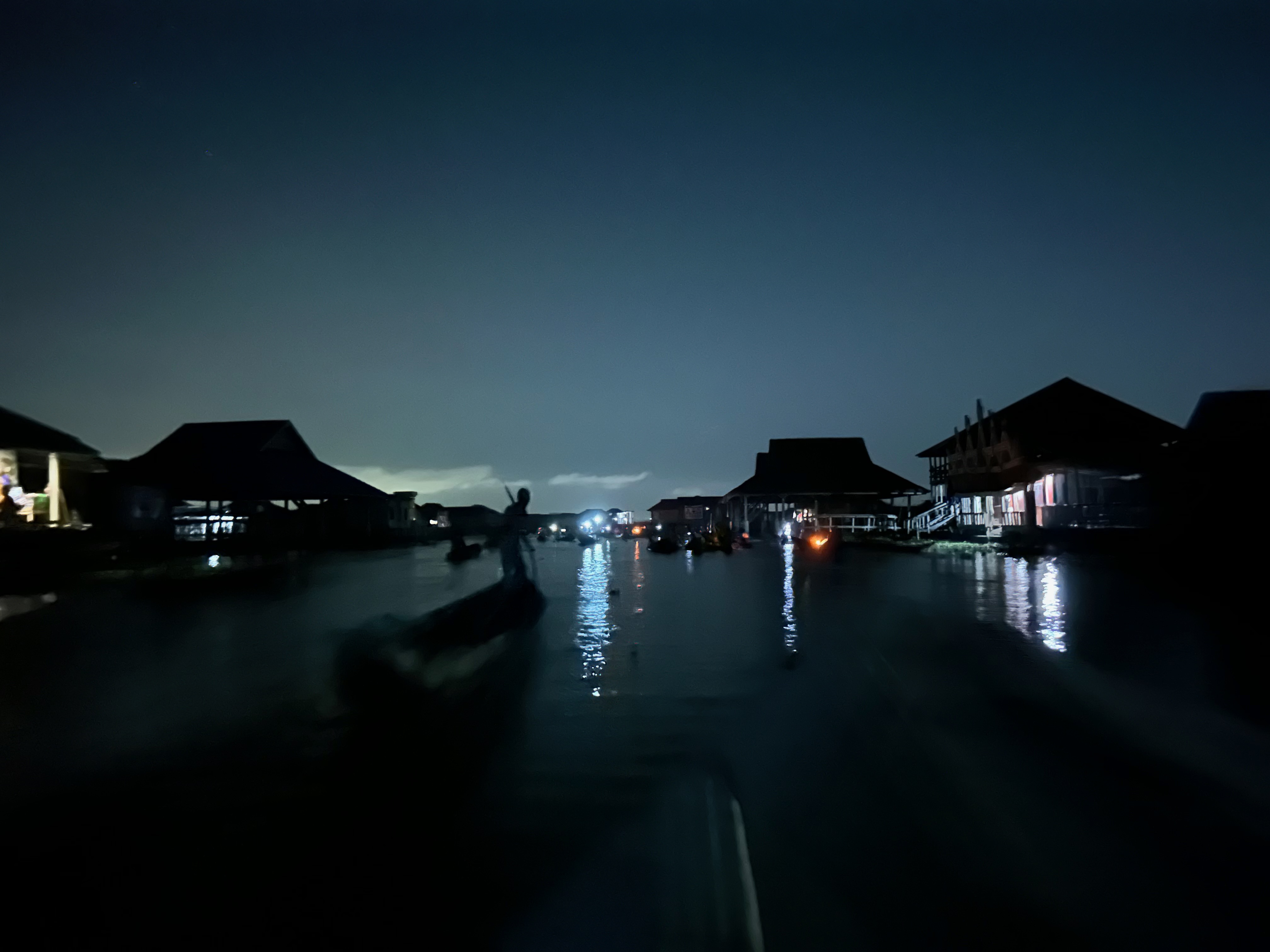 Left: Hotel Germain’s view of the school
Men typically leave to work starting at 4 a.m. (because some fish are easier to catch at this time) and women wake up even earlier to cook and sell breakfast and lunch as the men are leaving. In the dark, women use lights to show other canoes what they are selling. Because the lights are not enough, they also call out loudly.
I saw small yellow or white lights on some canoes selling goods, and others without lights—likely men leaving for work.
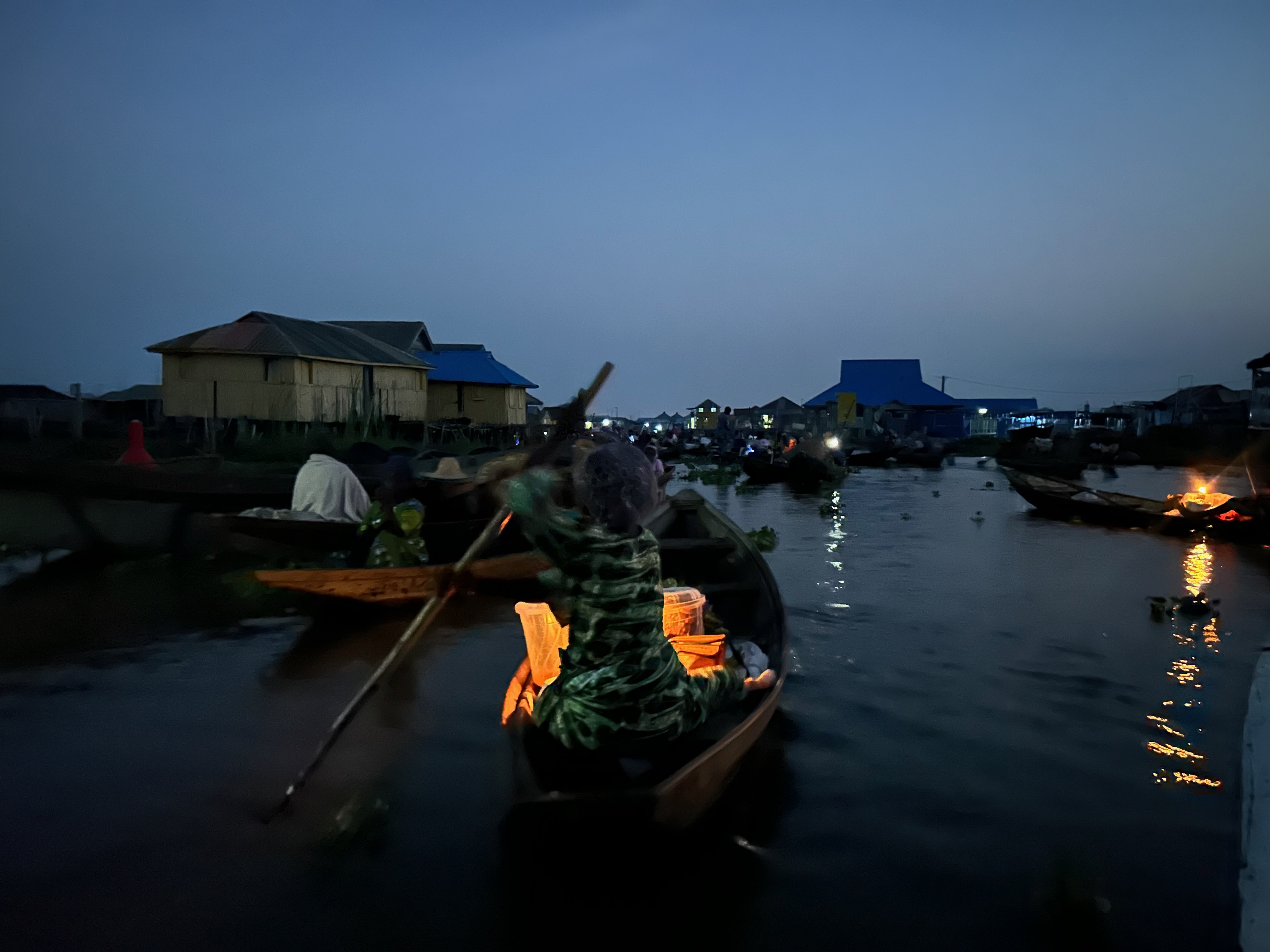
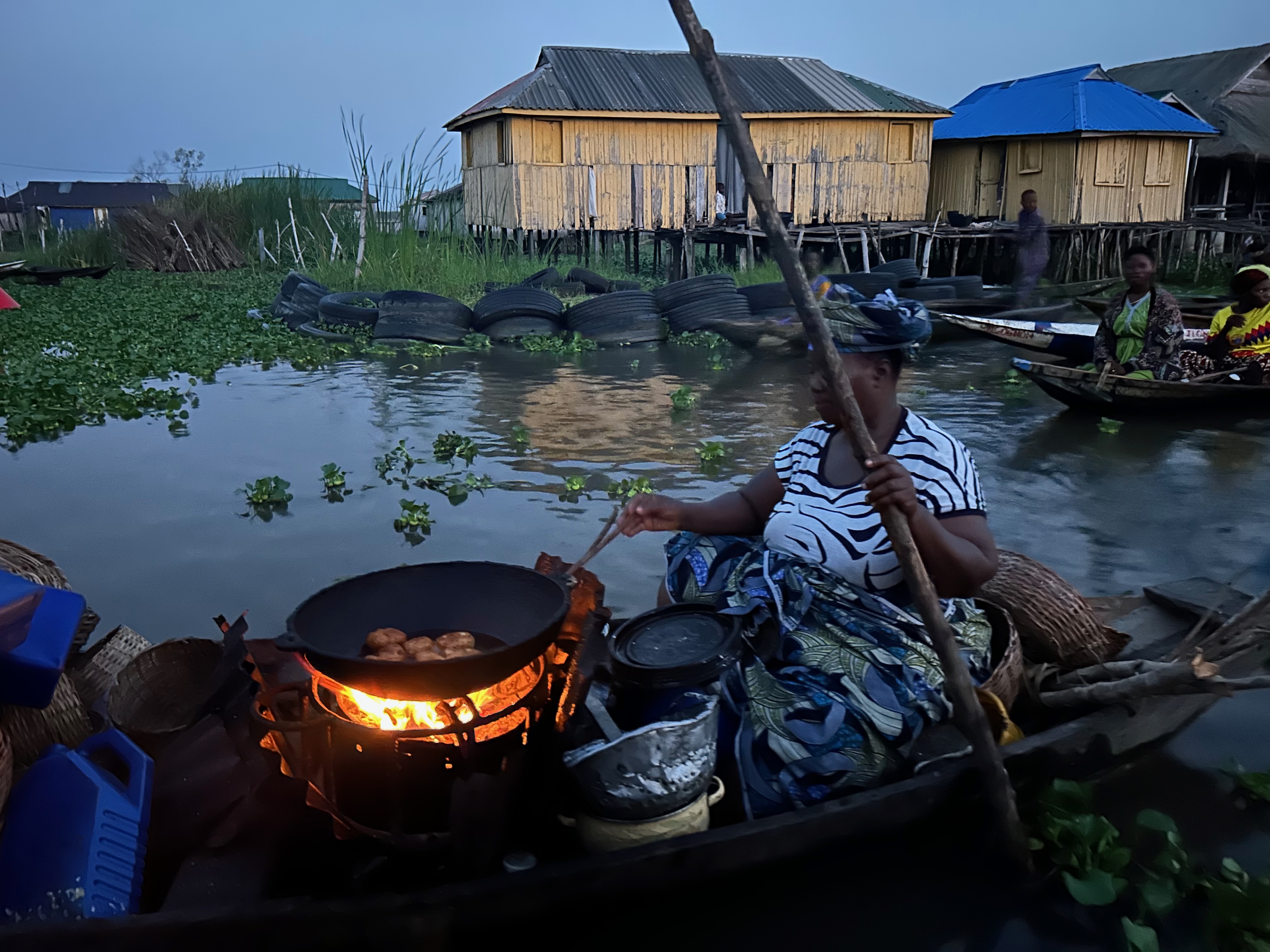
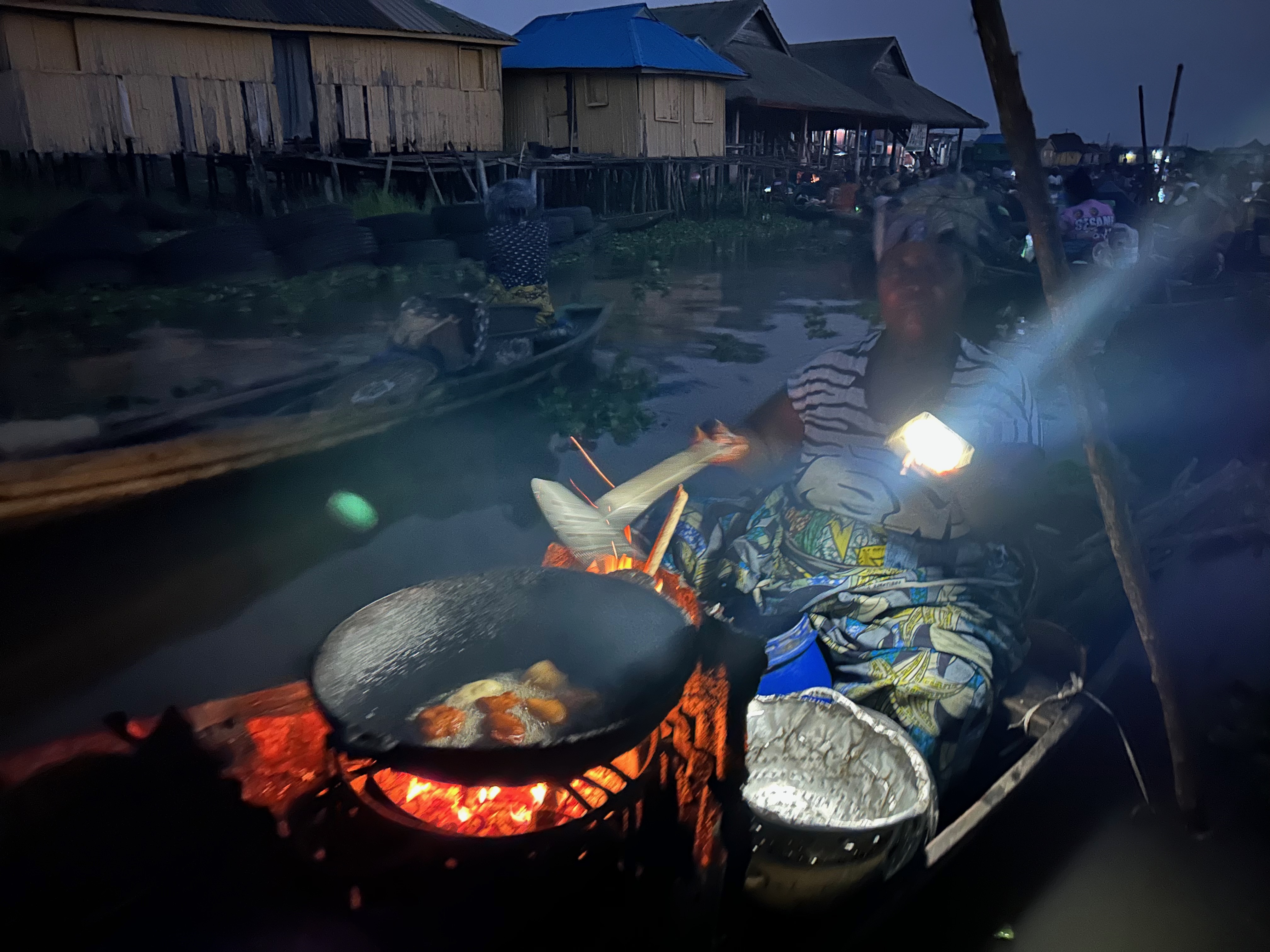 Right: Madame selling fried donut
For 500 CFA (about $1), I got five steaming‑hot donuts in a wooden basket.
As daylight broke, boat lights across the market snapped off within five minutes.
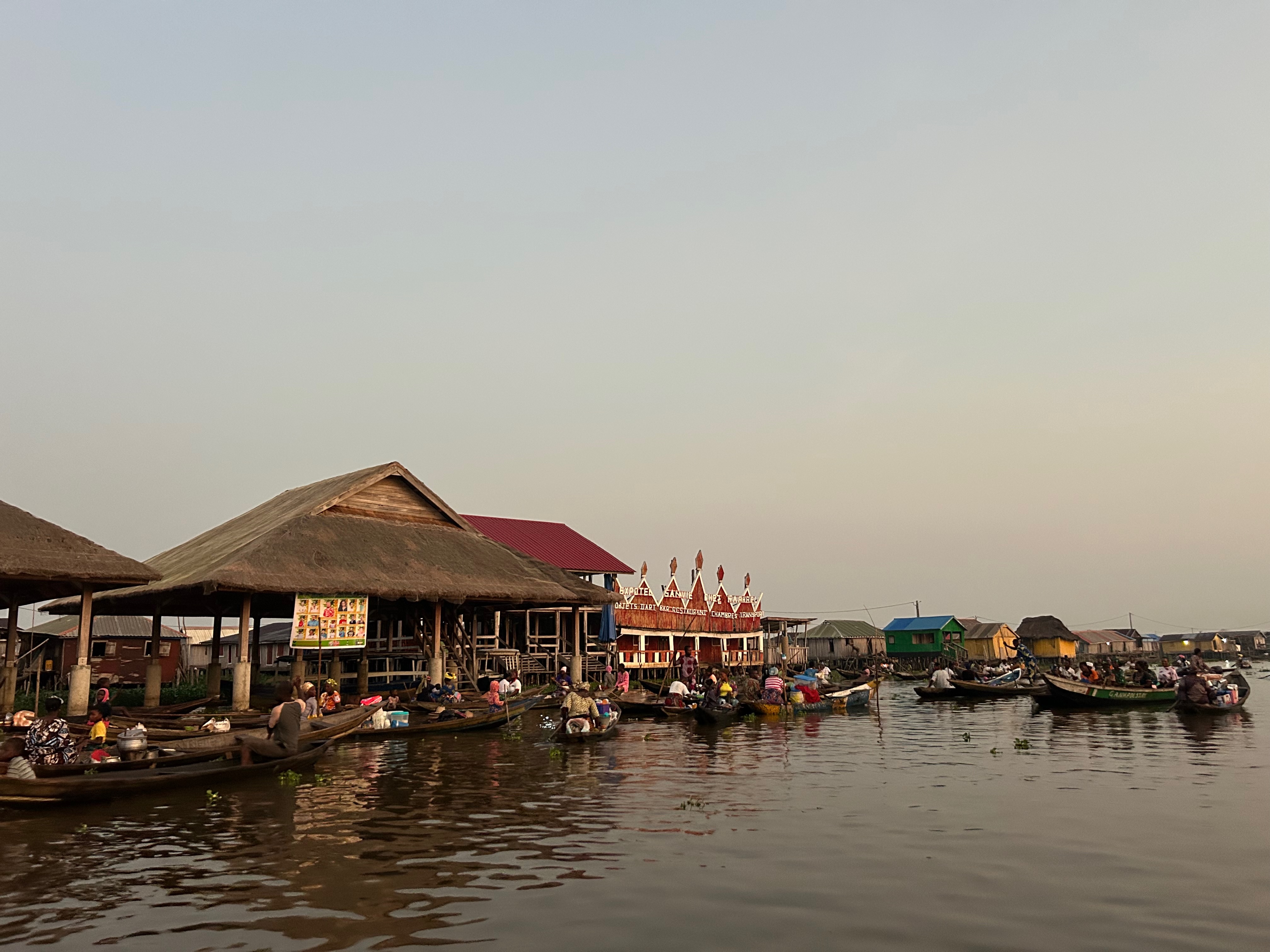
Packed water taxis—boats with 10+ people—traveled past us, ferrying commuters to the mainland.
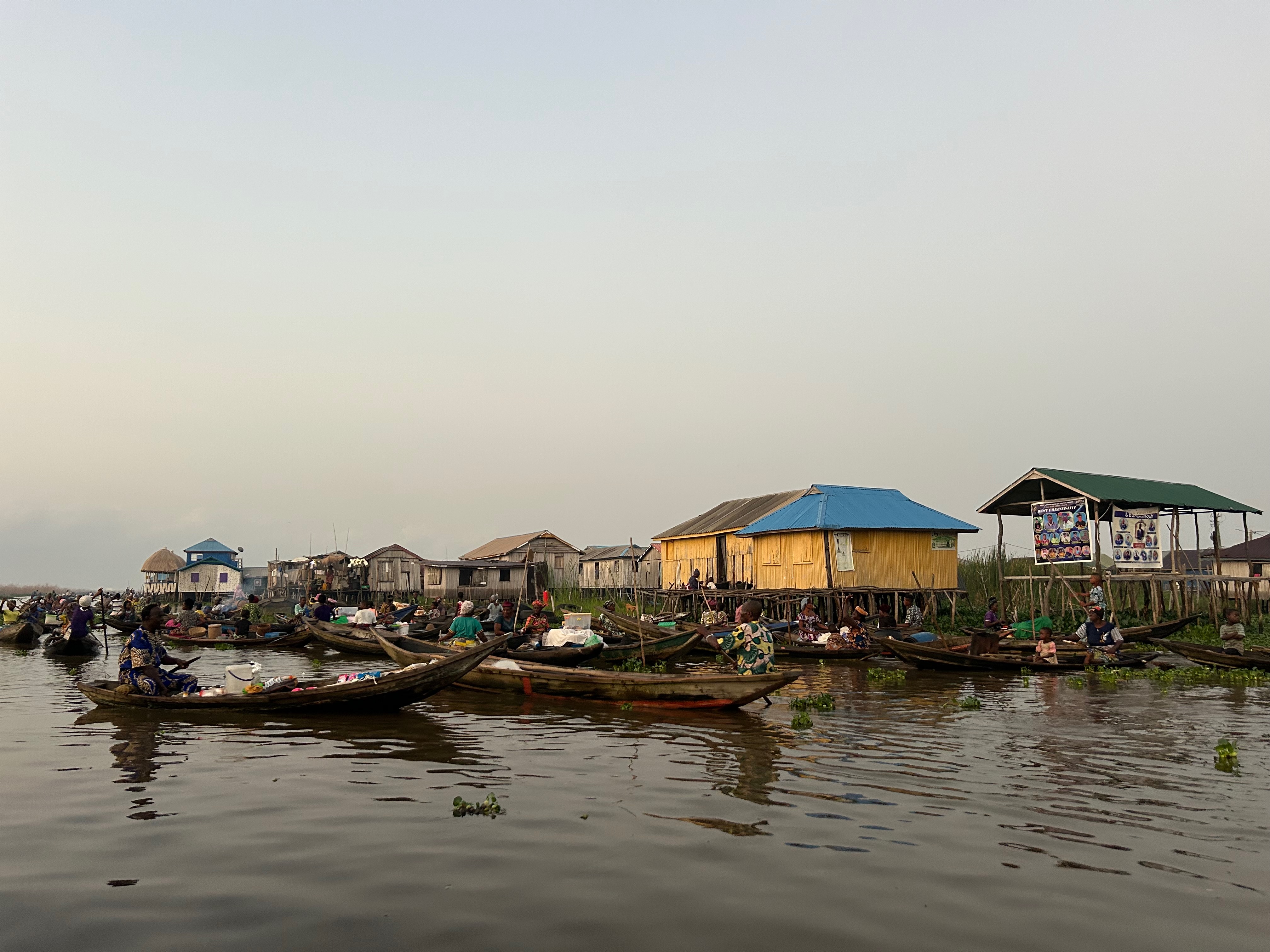
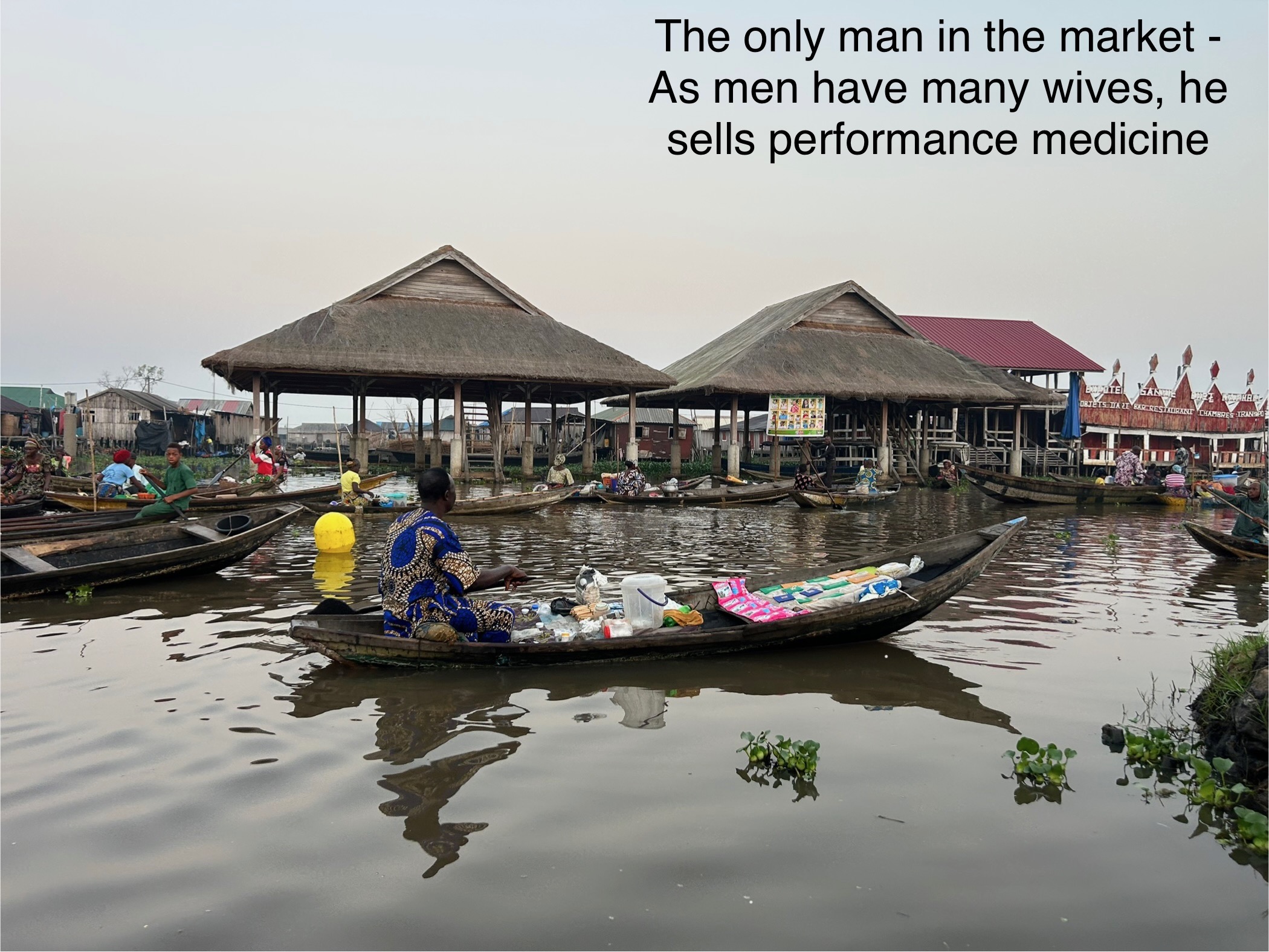
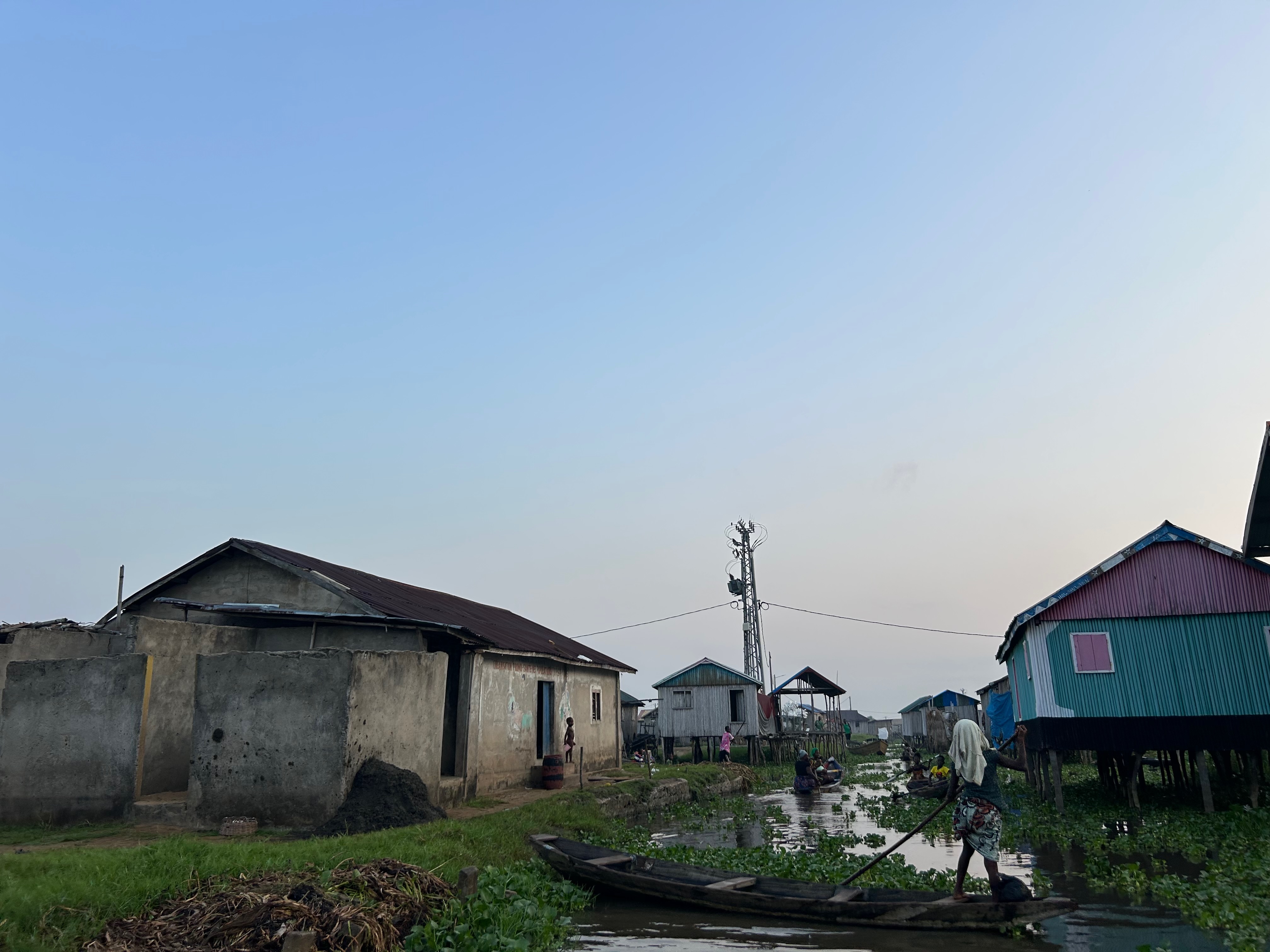
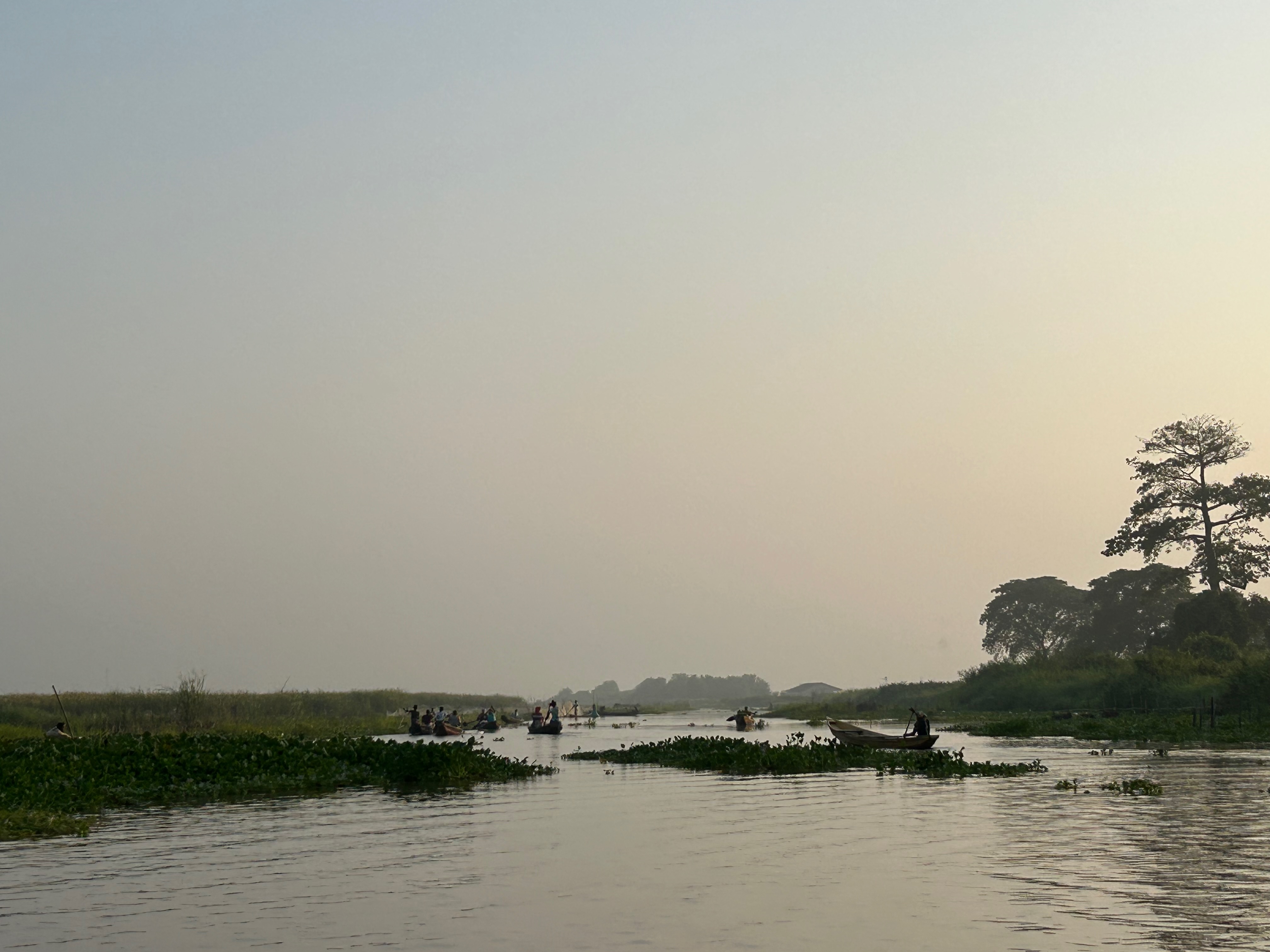 Left: Many children played in the canoes or on their porches; Right: Fishermen leaving for work
After breakfast, I joined a second birdwatching excursion back into the narrow rivers. We spotted many birds, including the Senegal kingfisher.
I unfortunately did not bring my camera, because I didn’t know I had signed up for this slightly expensive tour.
After about an hour or two, we had seen many partial water villages. At one part of the river, the floating green bulbs were too much, and the rudder was getting stuck in the roots. Given the signal to turn back, we started our return journey.
A police boat approached us, and Christopher explained that I didn’t speak French. I got a weird vibe and wondered if they might give us trouble on the water. On the journey back, we saw many men working without shirts in the water; we saw villagers heading to Ganvié with huge bundles of firewood.
After lunch, it was time to say goodbye to Hotel Germain. Christopher, our boat helper, and I set off for the mainland.
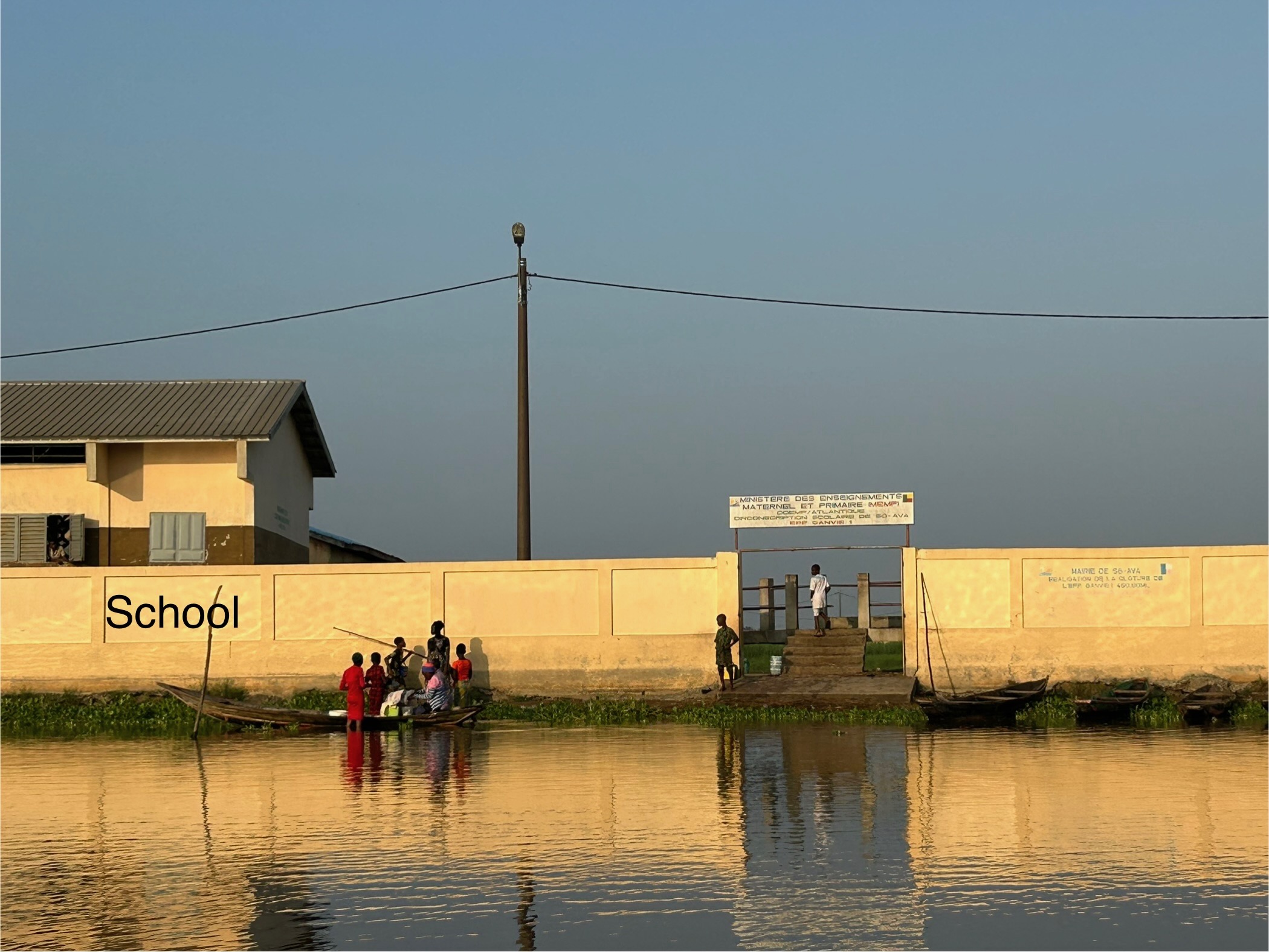
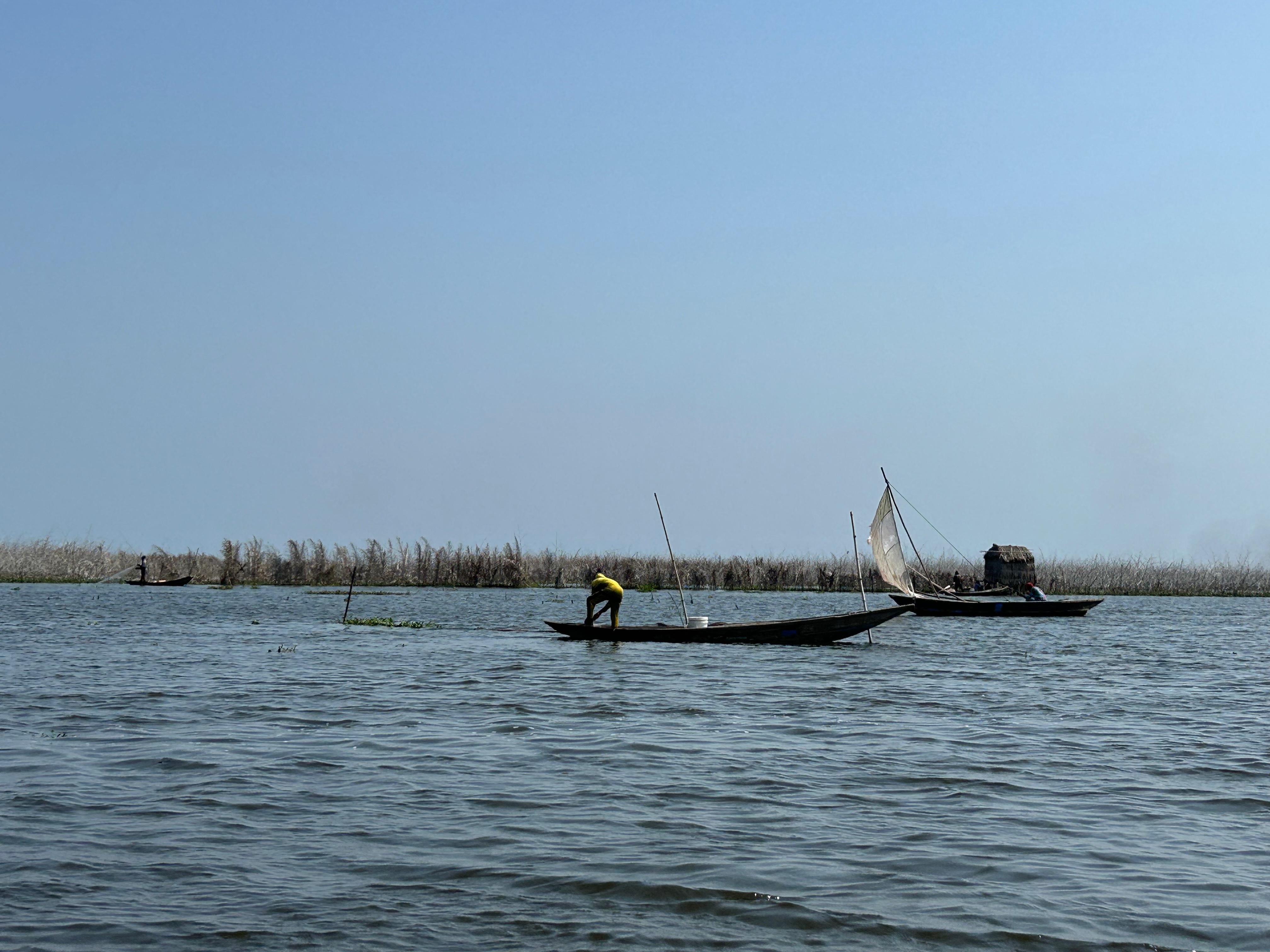
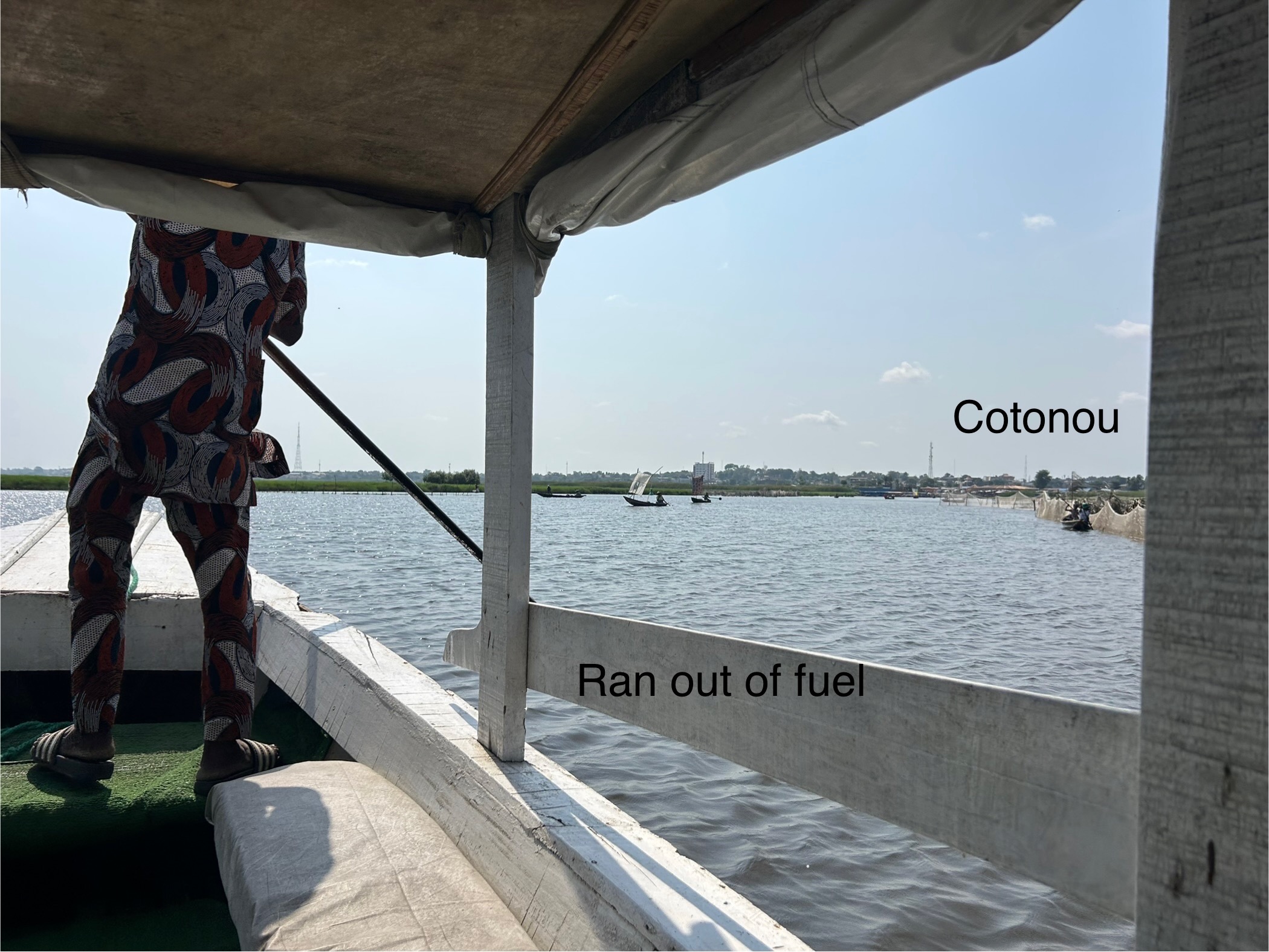
On the way back to land from Ganvié, we ran out of fuel 😭 and had to paddle this large water taxi to shore for a bit. Christopher called his friend from the mainland. Our boat helper tied our boat’s bow to theirs, and we finally got back to land.
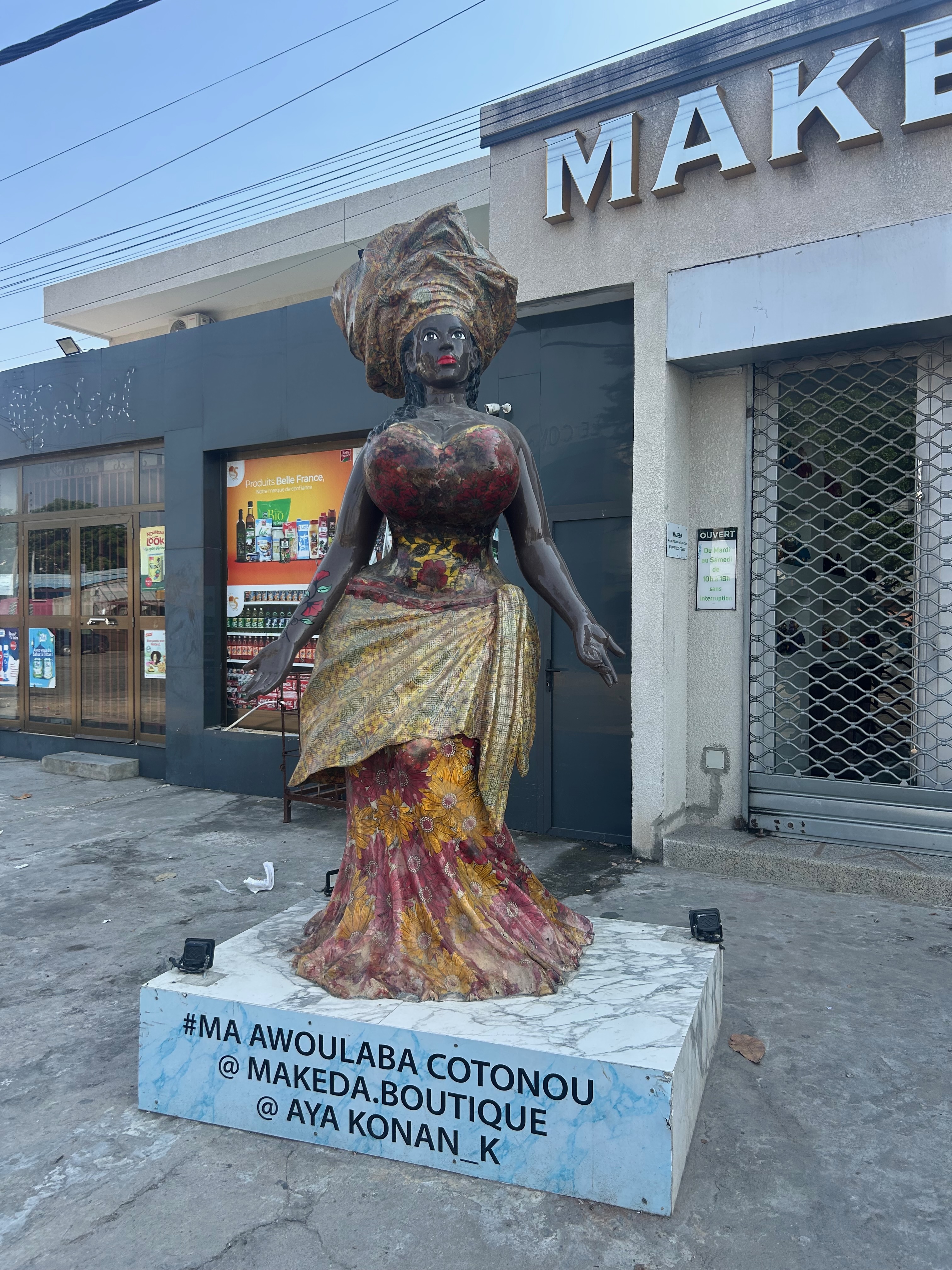
After checking into the Airbnb apartment, I went and saw the giant Amazon statue, featuring the female warrior from the Dahomey empire. I also visited Obama Beach (strange name since Obama never visited).
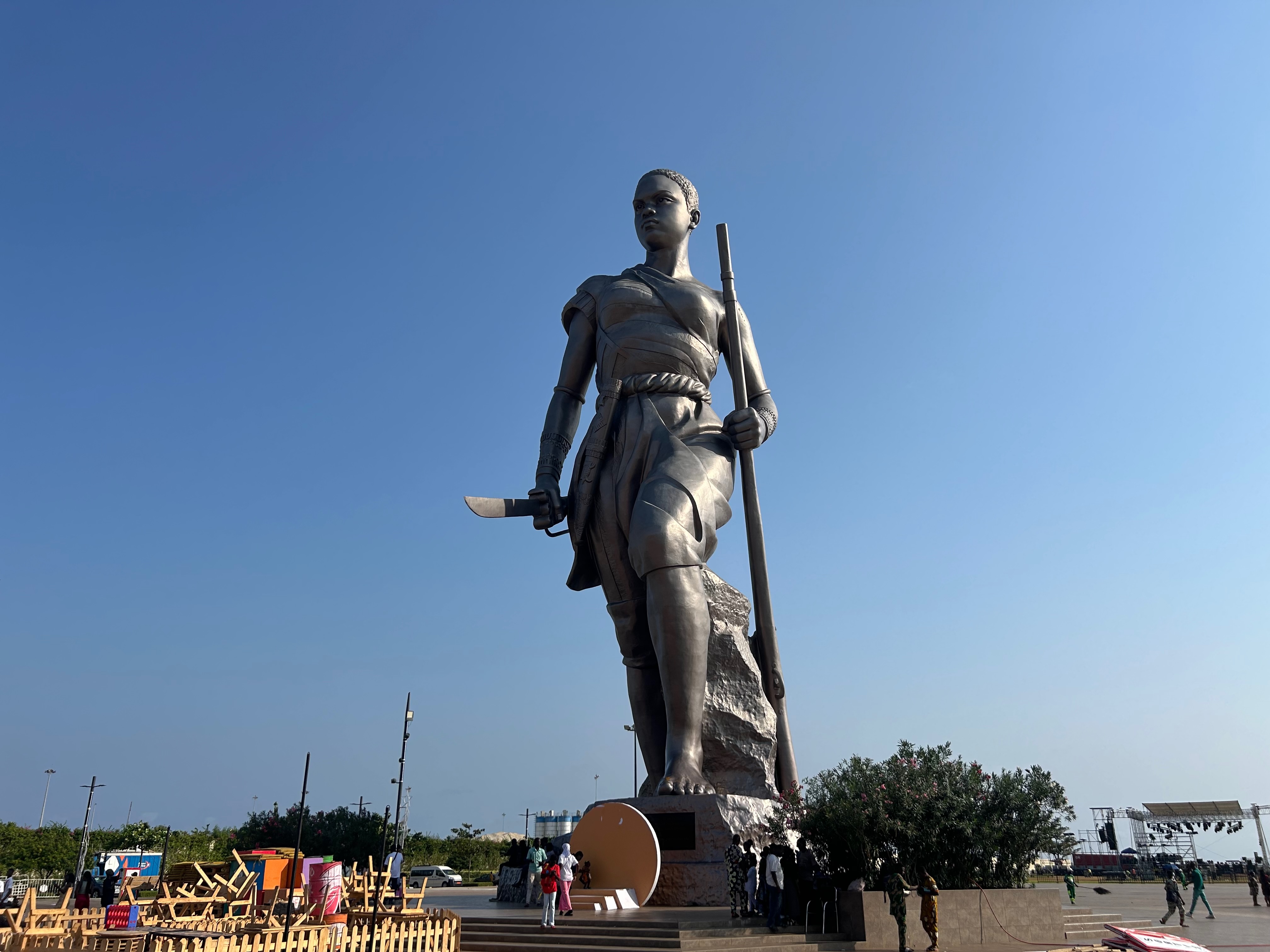
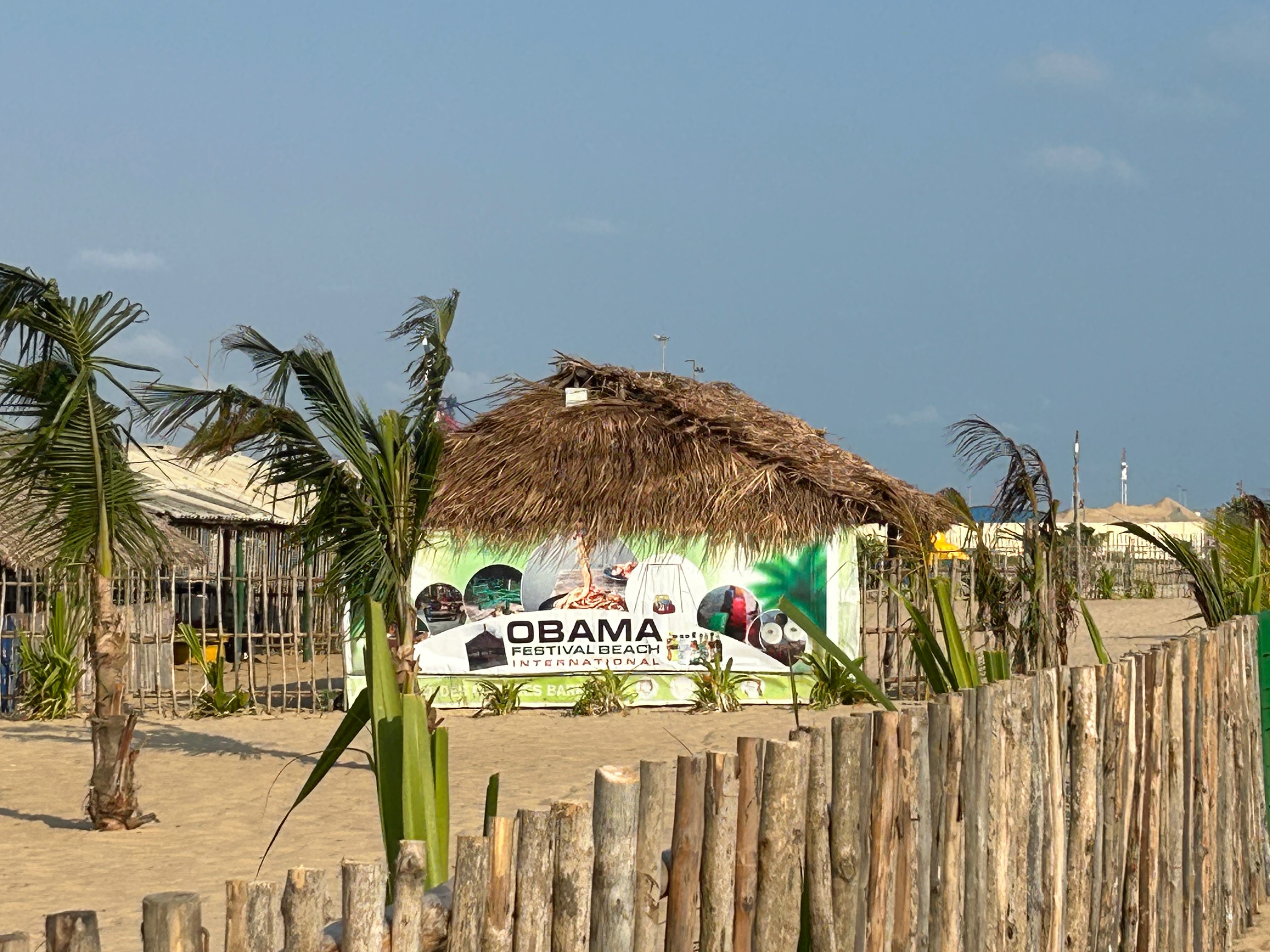 Like the Renaissance monument in Dakar, this is a state‑commissioned monument; the Amazone was unveiled in 2022.
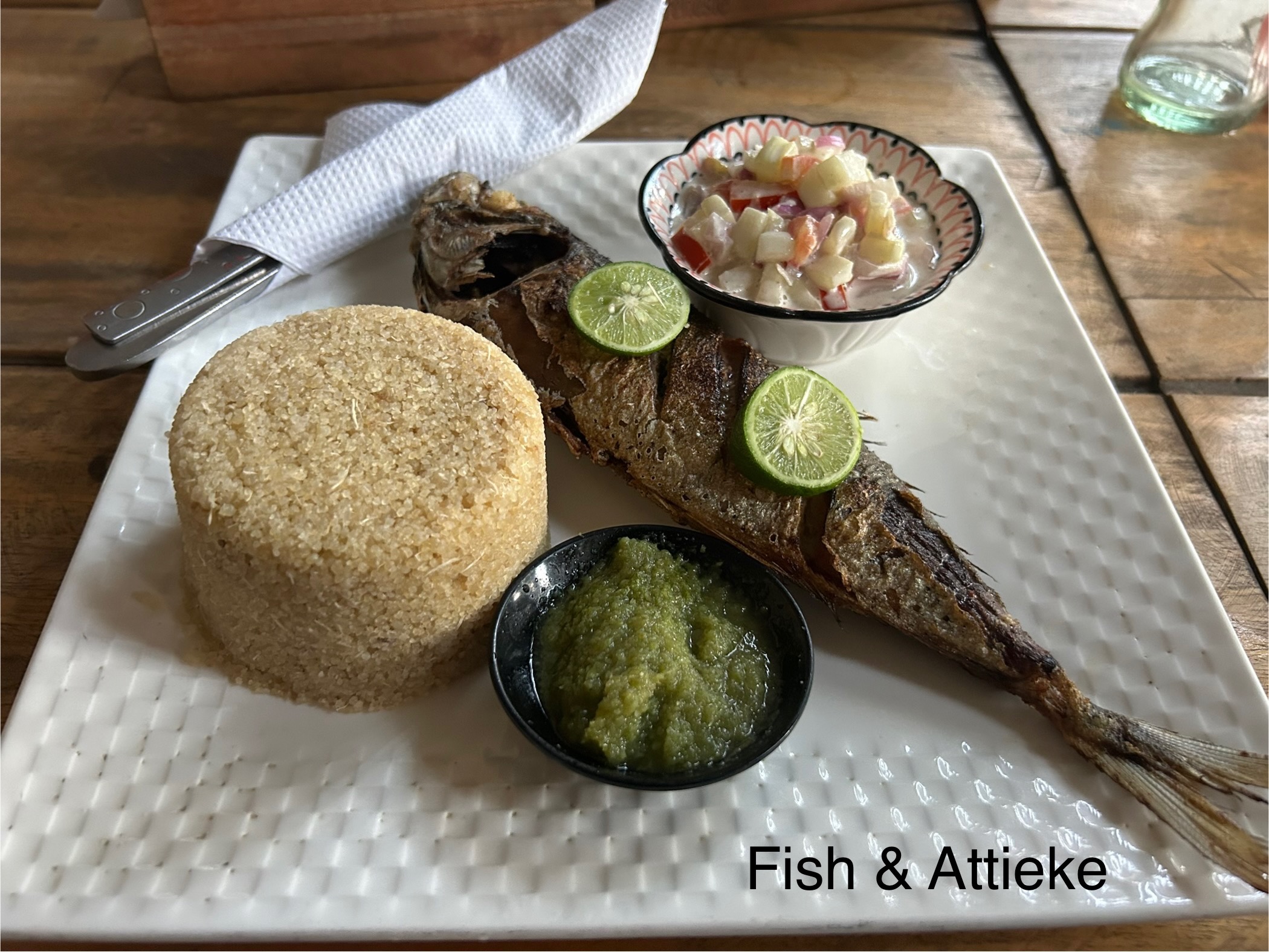
I visited a local restaurant and had some fish with attieke (fermented cassava, like sour couscous with fibers in the grains).
Robbed?! Extorted after dark
After dinner, at about sunset, I visited the souvenir market—a long, linear strip of 30–40 shops selling similar souvenirs.
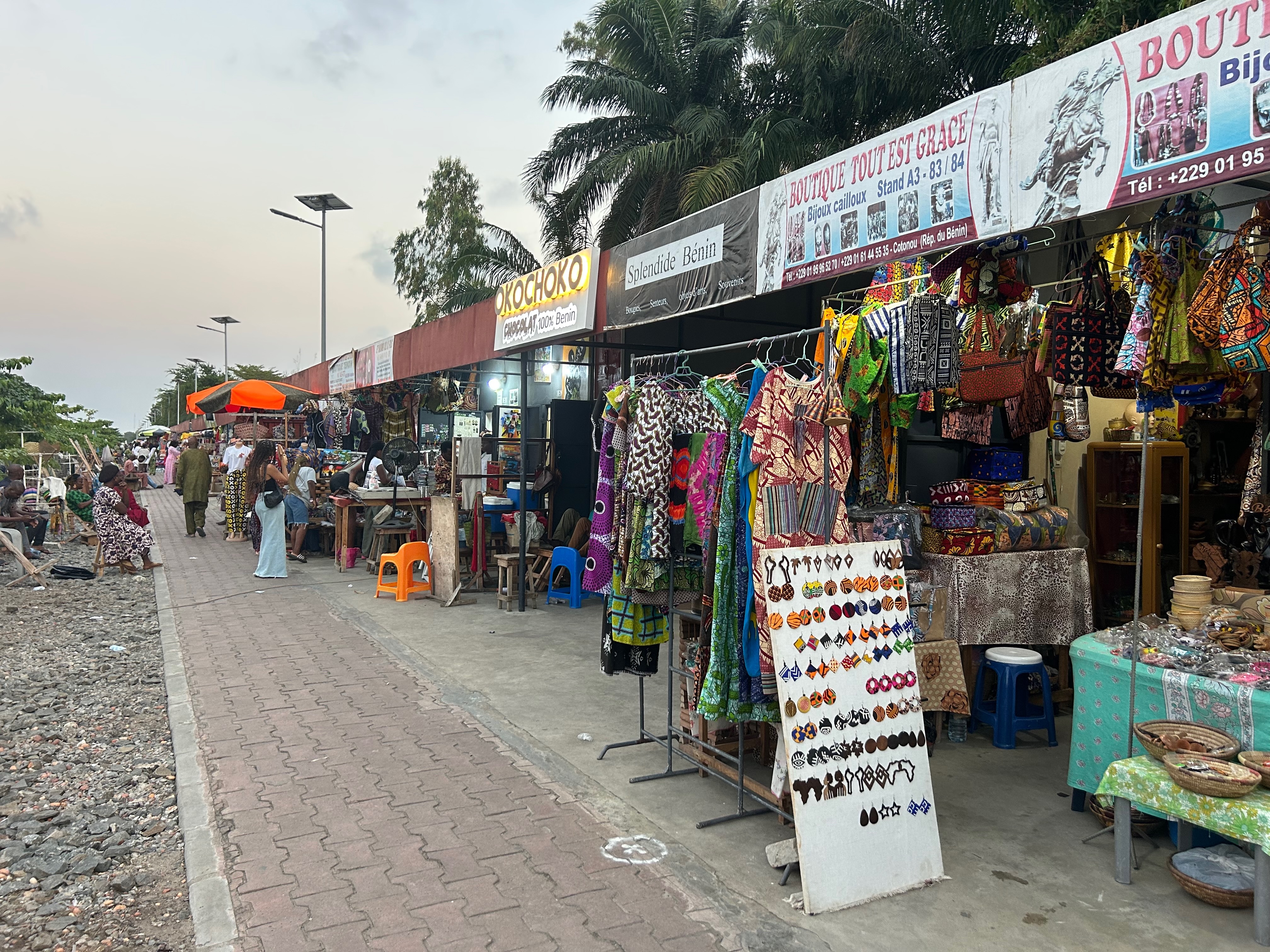
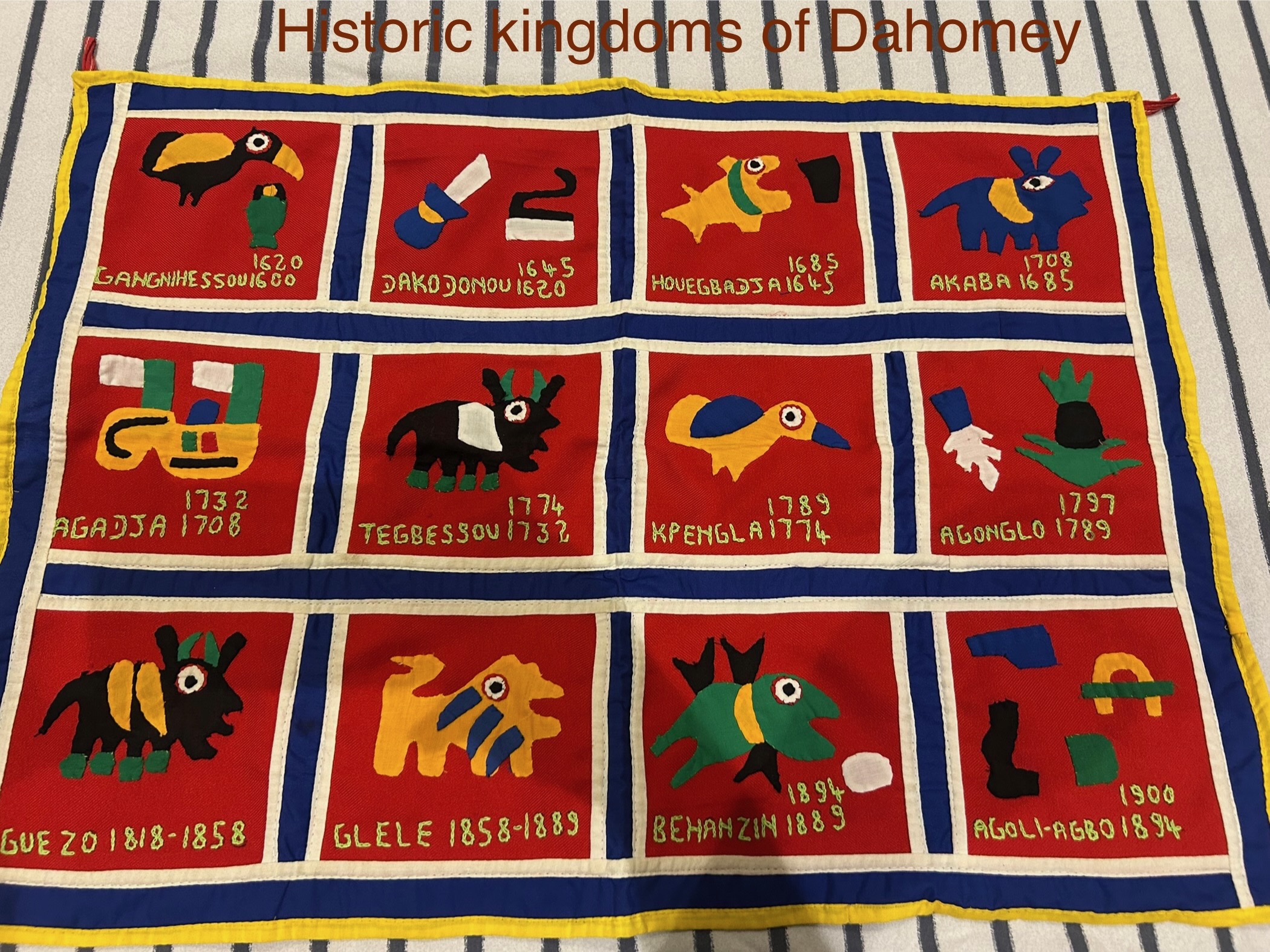 I got myself a cloth describing all the Dahomey kingdom dynasties from Abomey
At around 7:30, I started walking home. On one shady street with construction, I walked on the road. Then suddenly, two people ahead of me turned back. They were wearing voodoo masks with swords. I had seen this in the past and didn’t think much.
Then they started talking to me—”Chinois,” “L’argent”… I said “merci” and walked faster and faster. They started yelling and chased me for almost half a block.
Thankfully, there was a large street with traffic ahead. I gave them 300 CFA and crossed the street into a pharmacy.
It felt somewhere between extortion and robbery. As travelers, we always try to stay safe. In the future, I will definitely try to get to hotels/Airbnbs before dark or take a taxi.
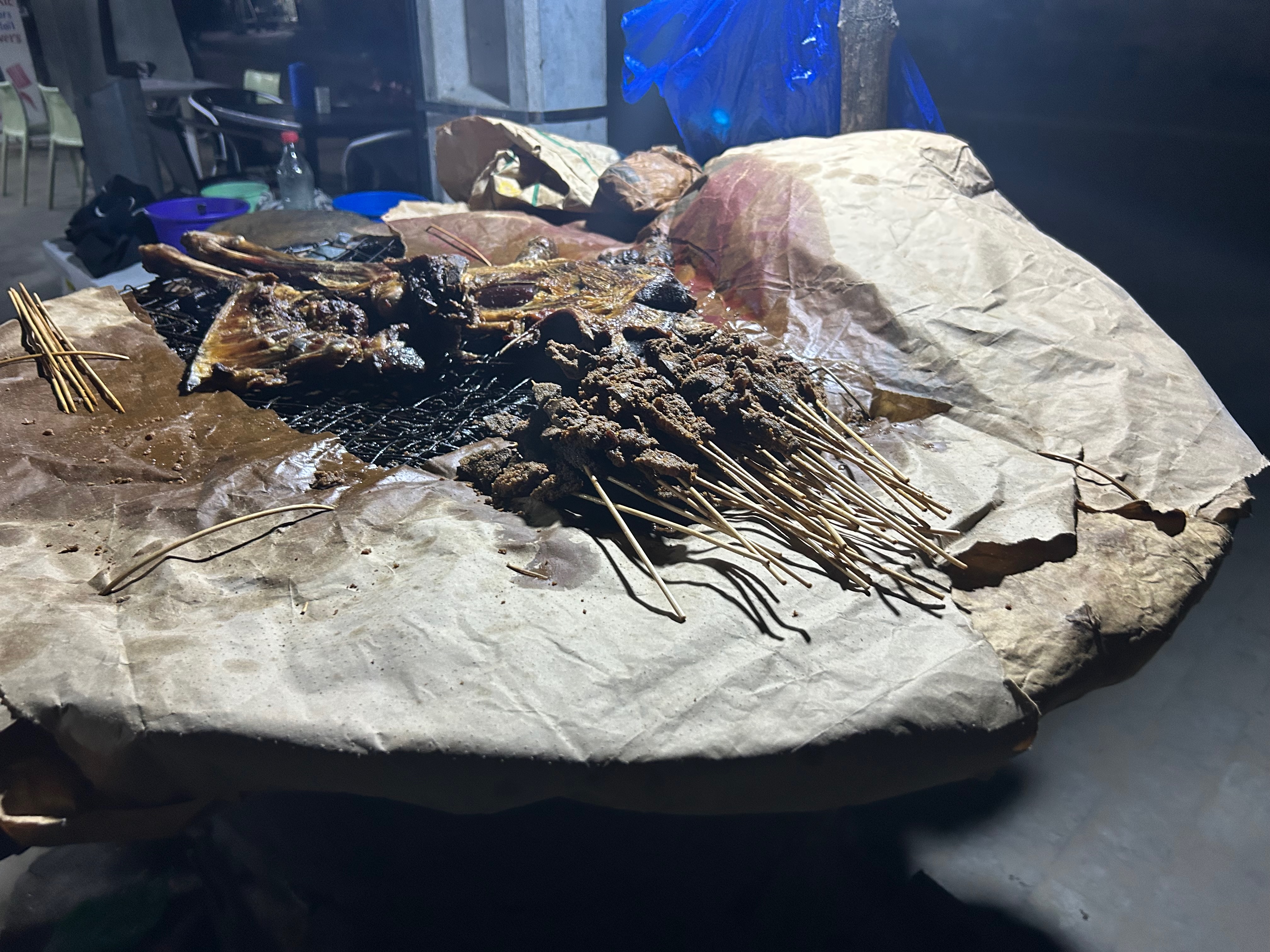
I had bought the skewers moments before the robbery. (100 CFA per skewer. I tried five, but couldn’t tell what meat it was.)
Day 3: Dantokpa Market, Communist past and Zem!
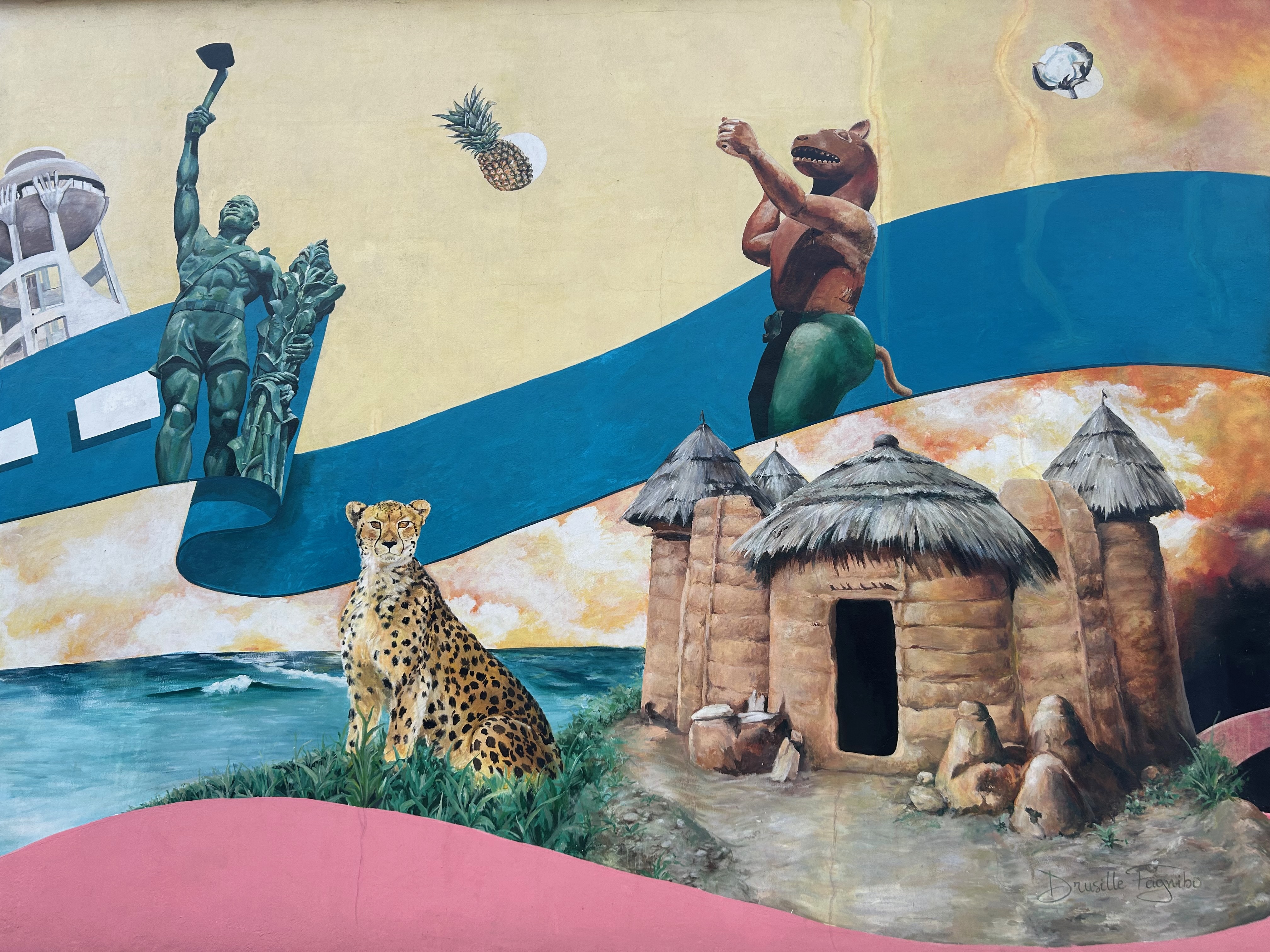
Still jet‑lagged, I headed out at daybreak. My first stop was the famous graffiti wall—the longest in Africa. I cannot overstate how long it is (in fact, the longest in Africa): roughly 970 m and still unfinished, with many murals yet to be added. I counted five or six intersections and long, uninterrupted stretches of graffiti. Truly incredible. It tells the story of the Beninese—past and future.
I crossed the river linking Lake Nokoué to the Atlantic to visit Place Lénine, then returned to Dantokpa Market.
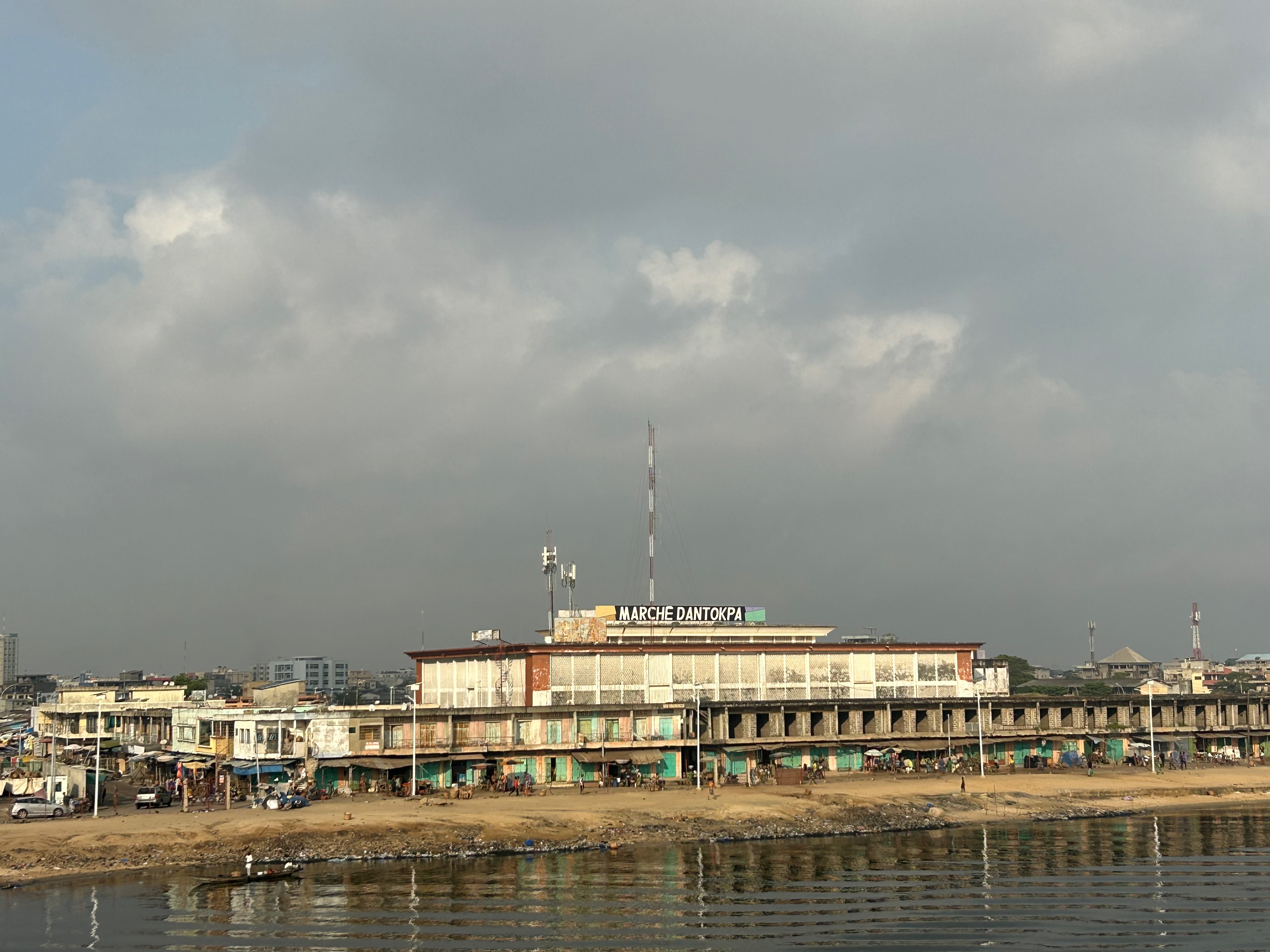
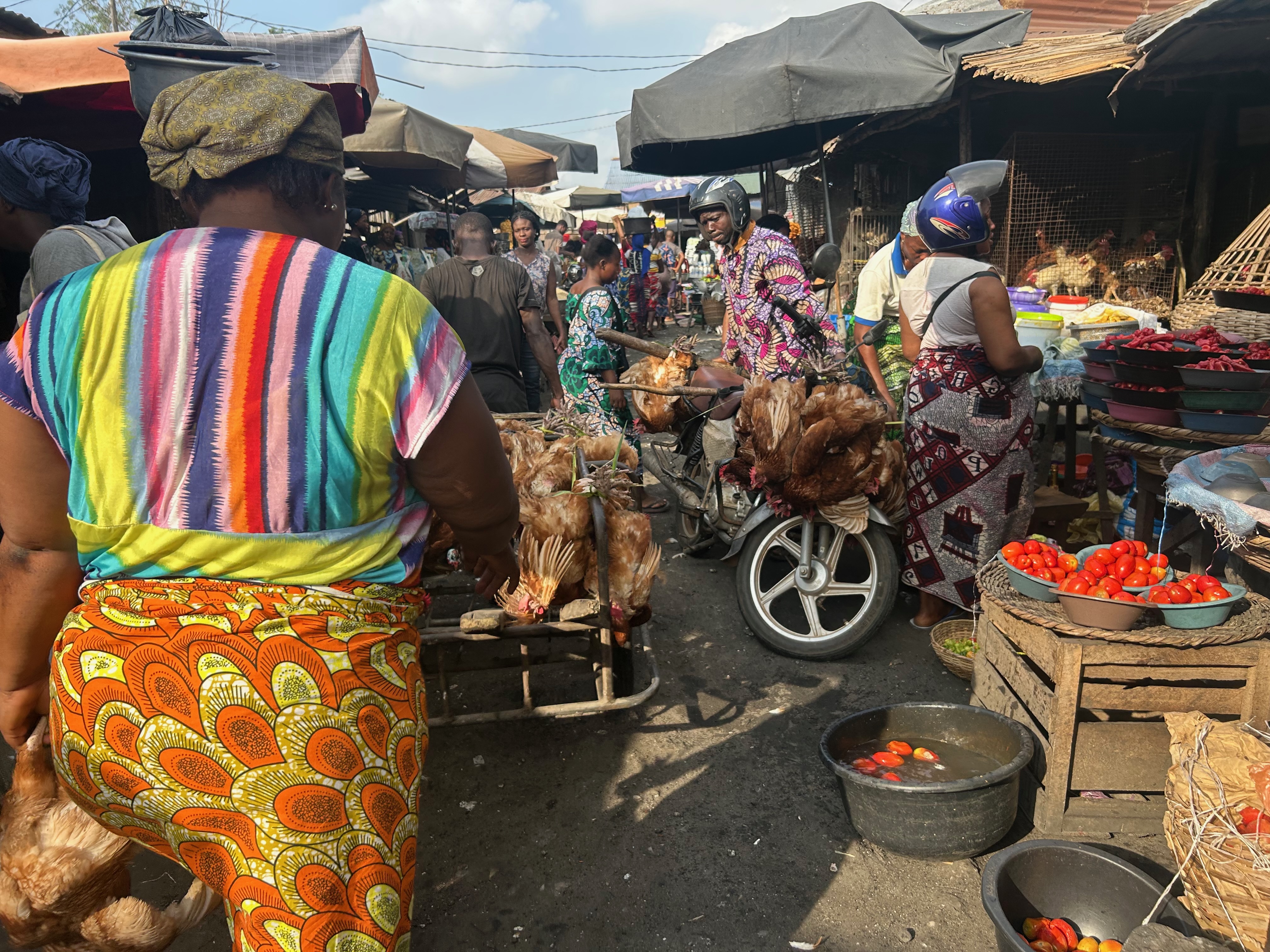
It’s Benin’s biggest market—and the largest I’ve ever visited. (I grabbed some food and tried to find a quiet spot to eat, but ended up walking at least 30 minutes in one direction.)
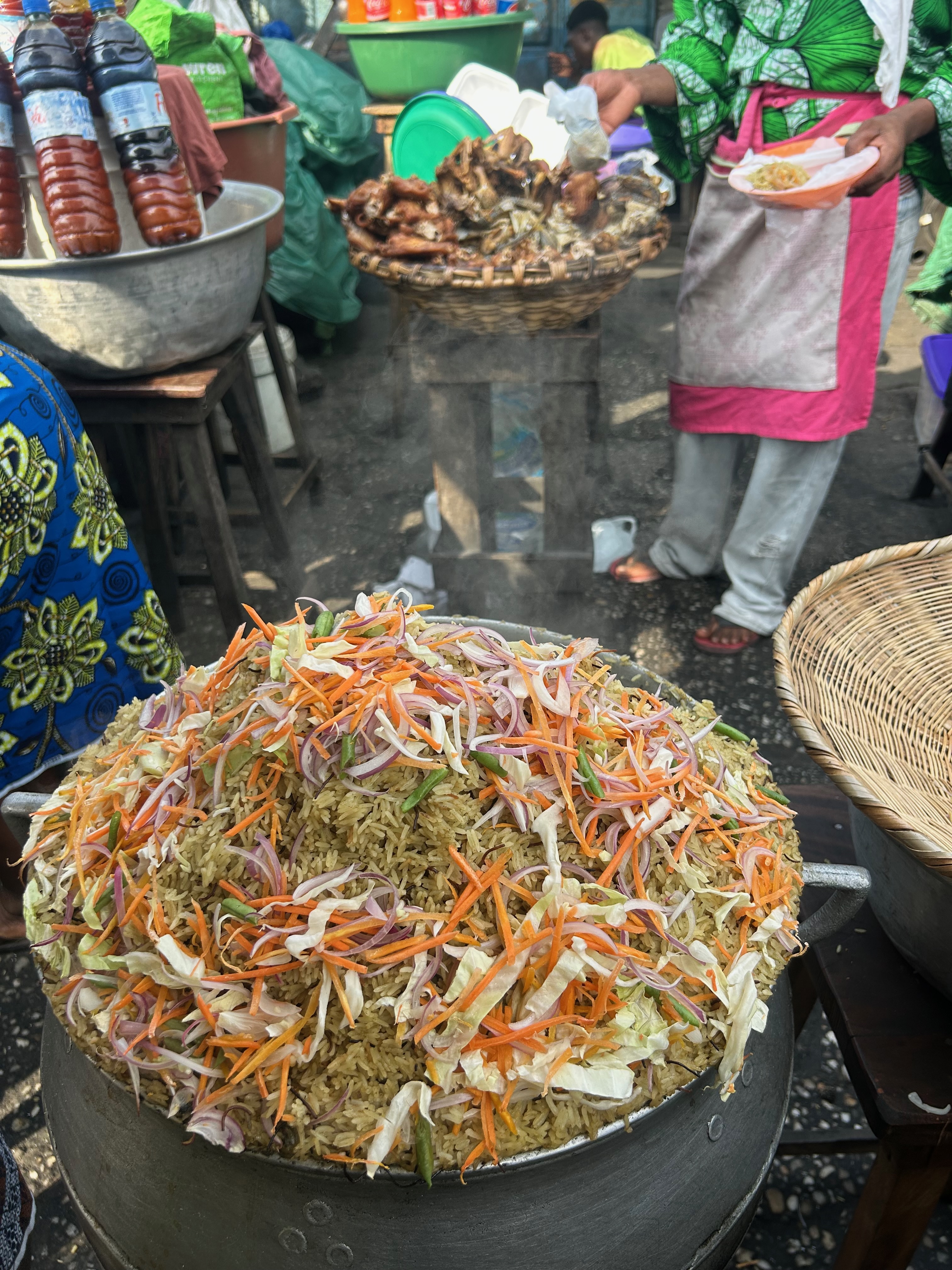
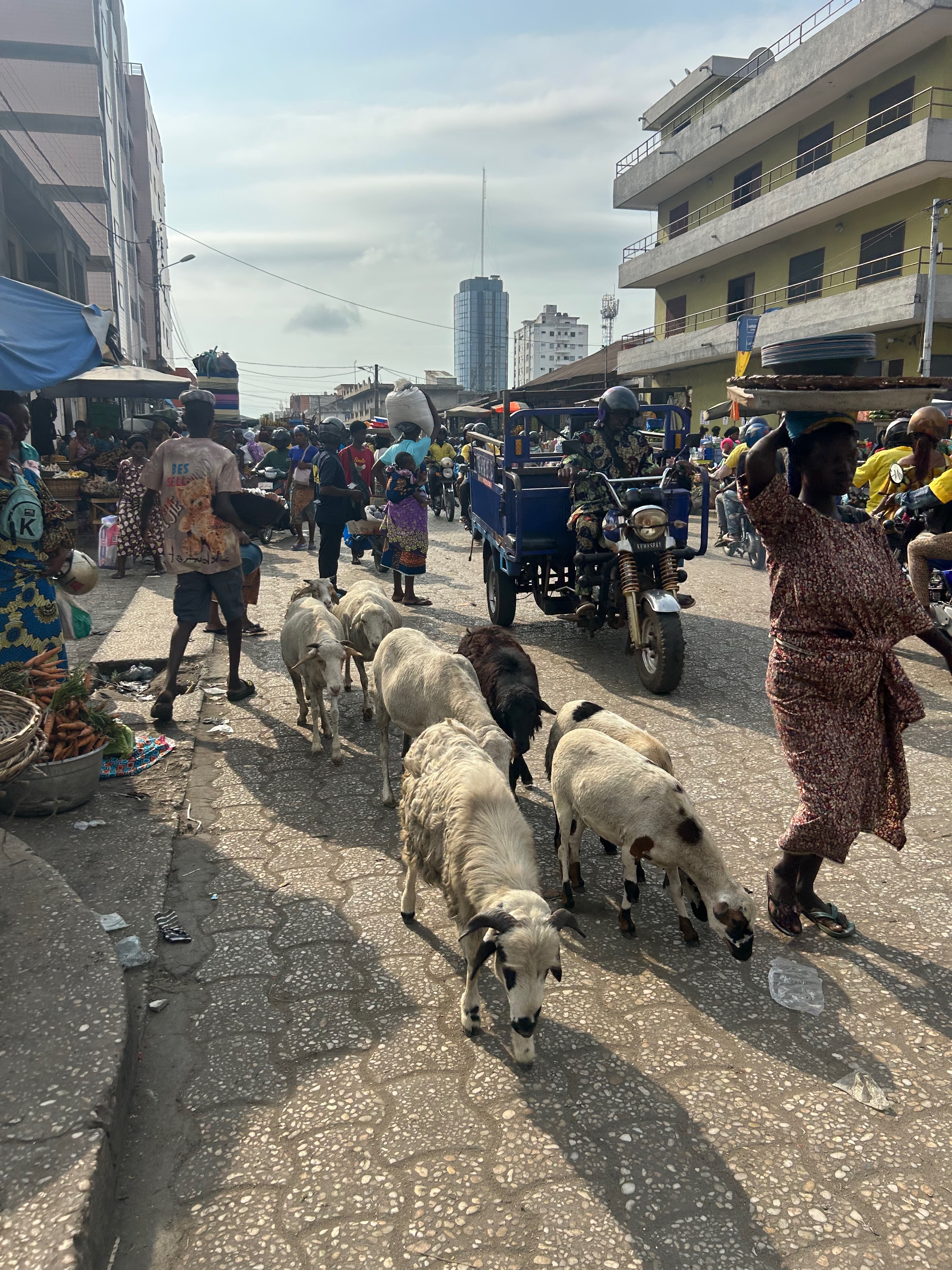
There were live crabs; hair braiding happening on the side; motorcycles with 100+ chickens tied to them—the sheer size and variety felt never‑ending.
In the corridors, a constant stream of people carried goods, along with trucks and motorcycles that weren’t shy about squeezing past—sometimes a little too closely.
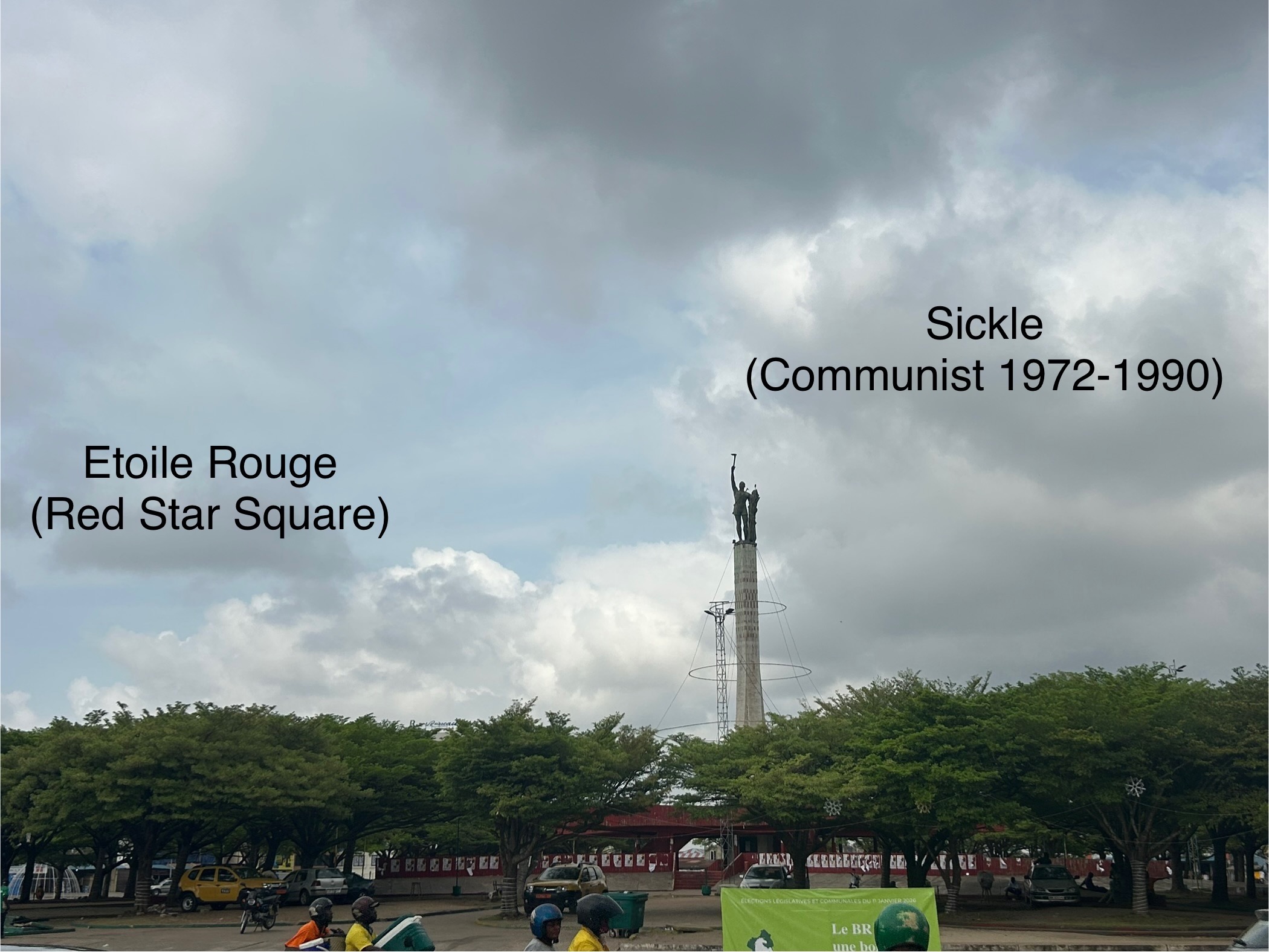
After a lot of walking in the brutal sun, I visited Étoile Rouge (Red Star Square), a relic of Benin’s communist past. After independence in 1960, Benin experienced instability and several coups. In 1972, President Mathieu Kérékou established a socialist state that lasted until 1990; he later convened a conference that peacefully ended communism and was democratically elected from 1996 to 2006. What a cool and peaceful transition!
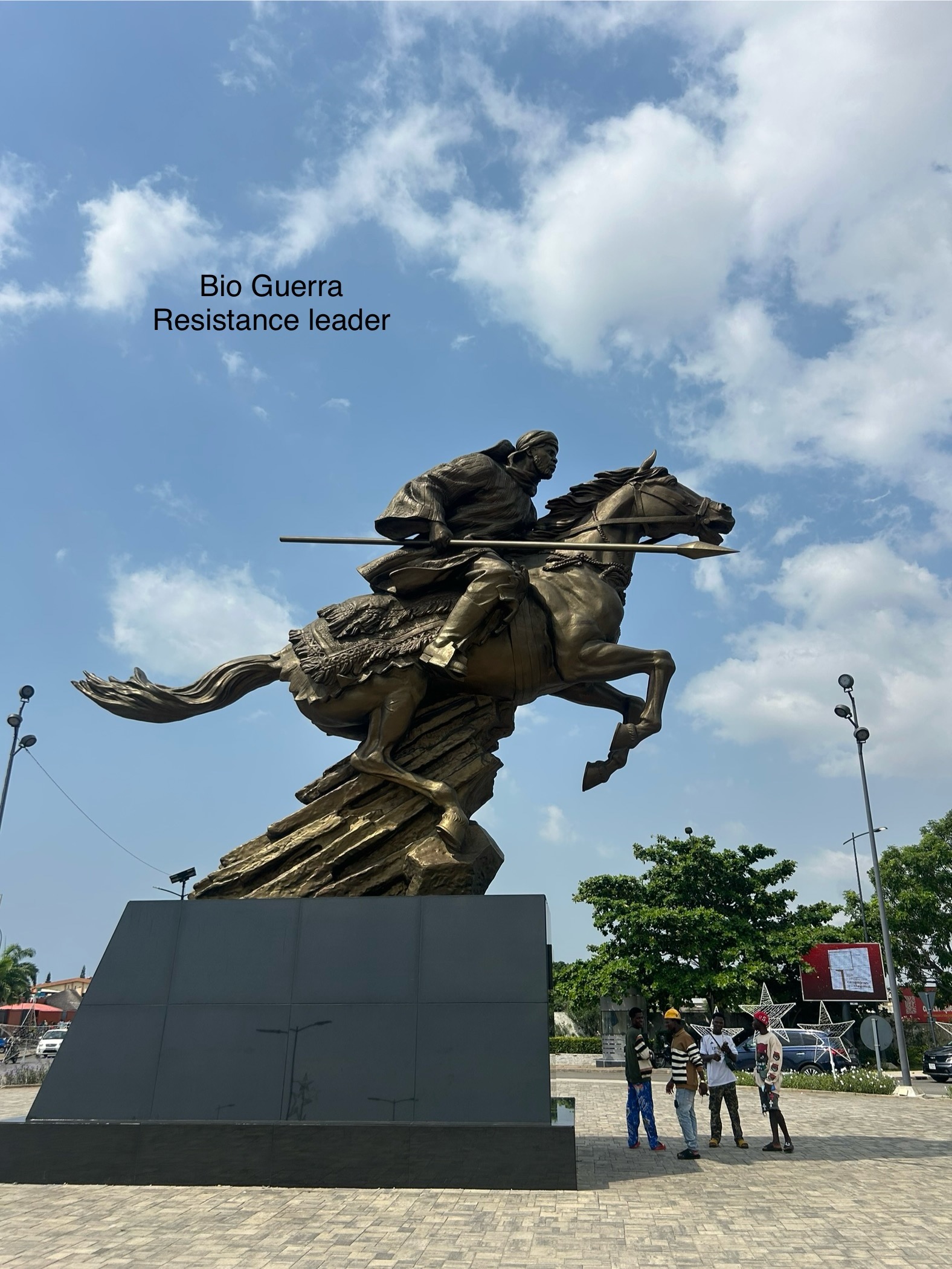 Right: Bio Guéra was an early 20th‑century anti‑colonial resistance leader in northern Dahomey.
I sipped a pretty darn expensive capitalist coffee (4,000 CFA) and watched traffic swirl around the Étoile Rouge roundabout.
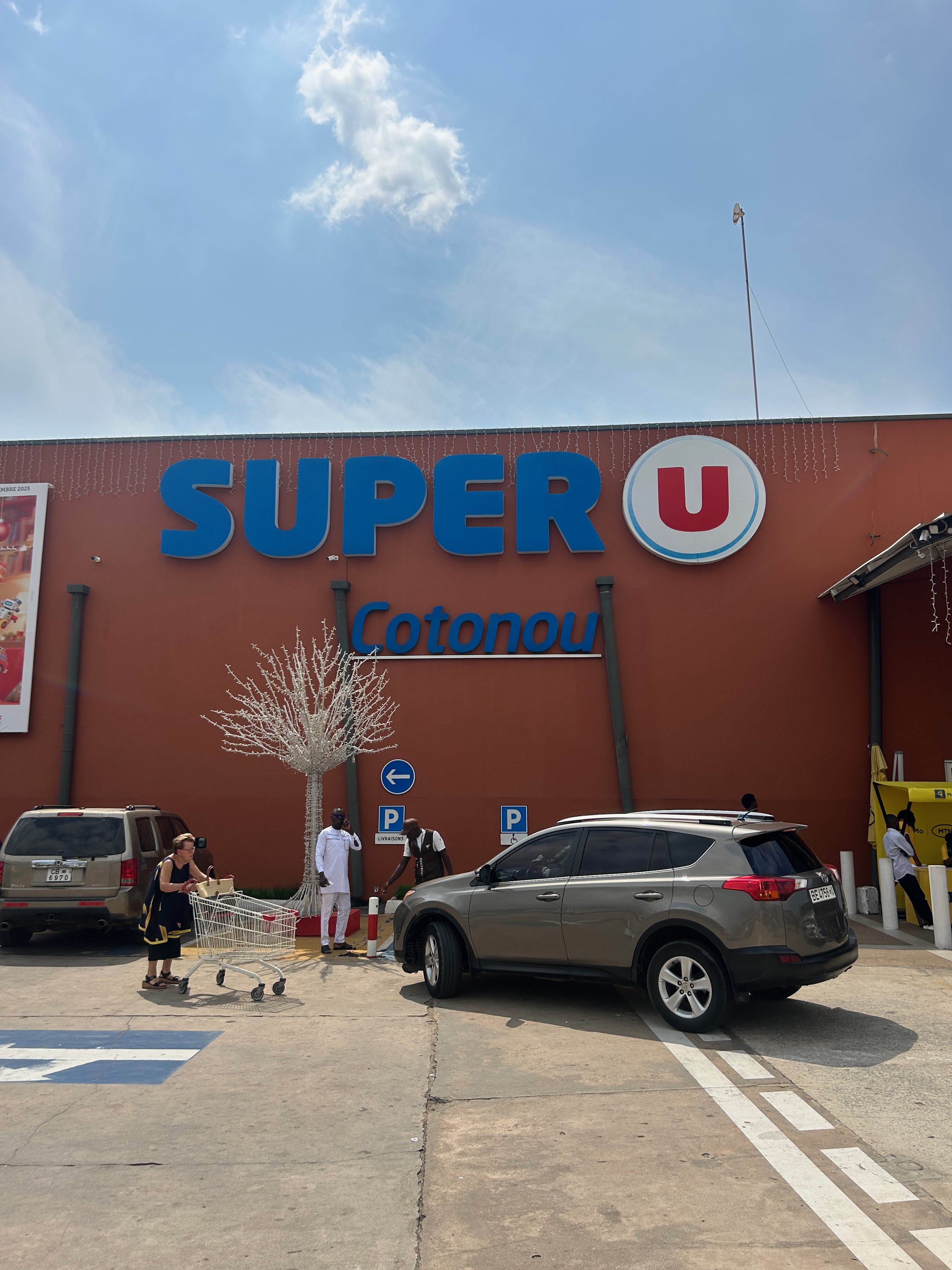
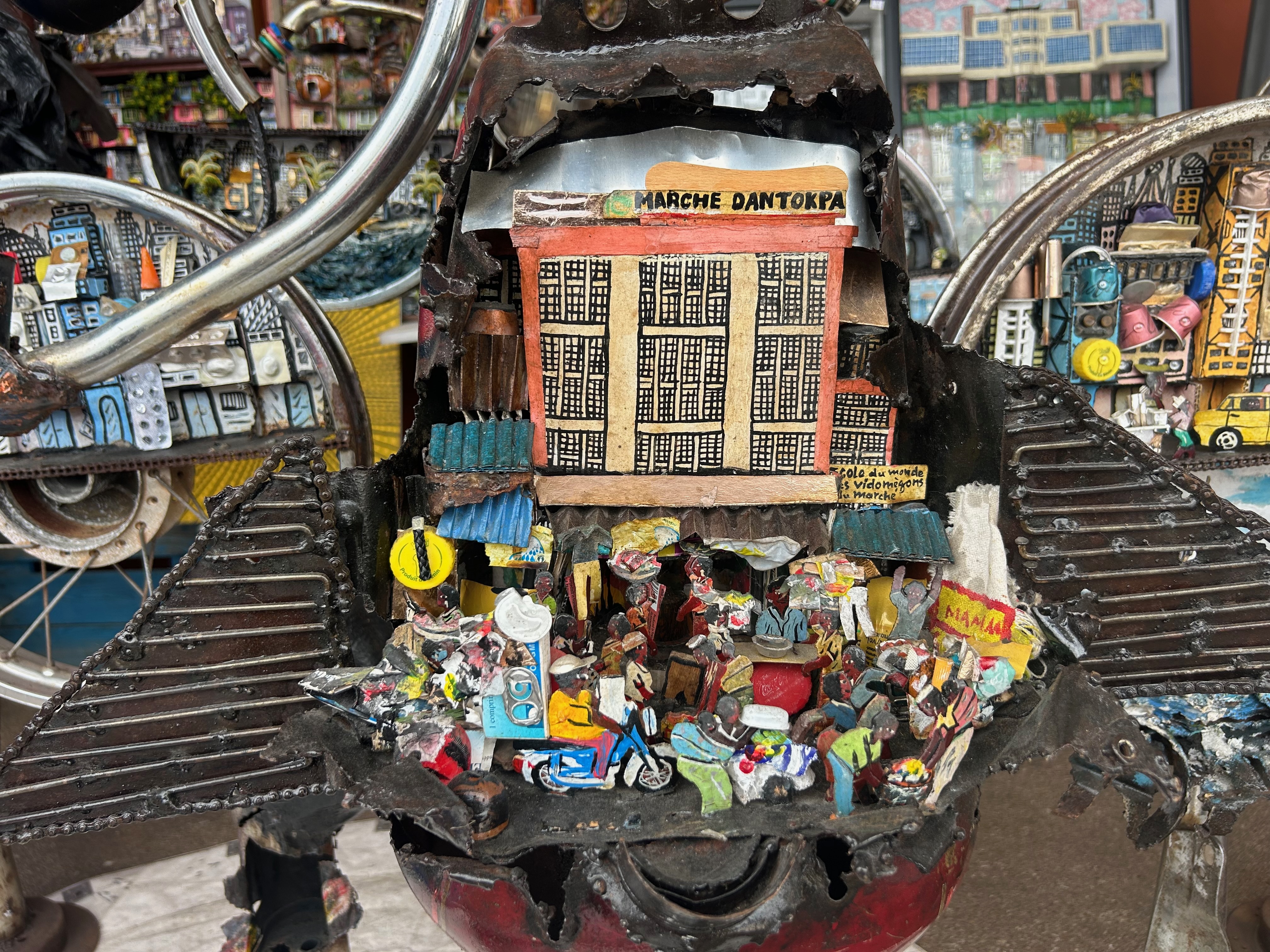 A popular supermarket with an artisans’ section selling cool Cotonou crafts.
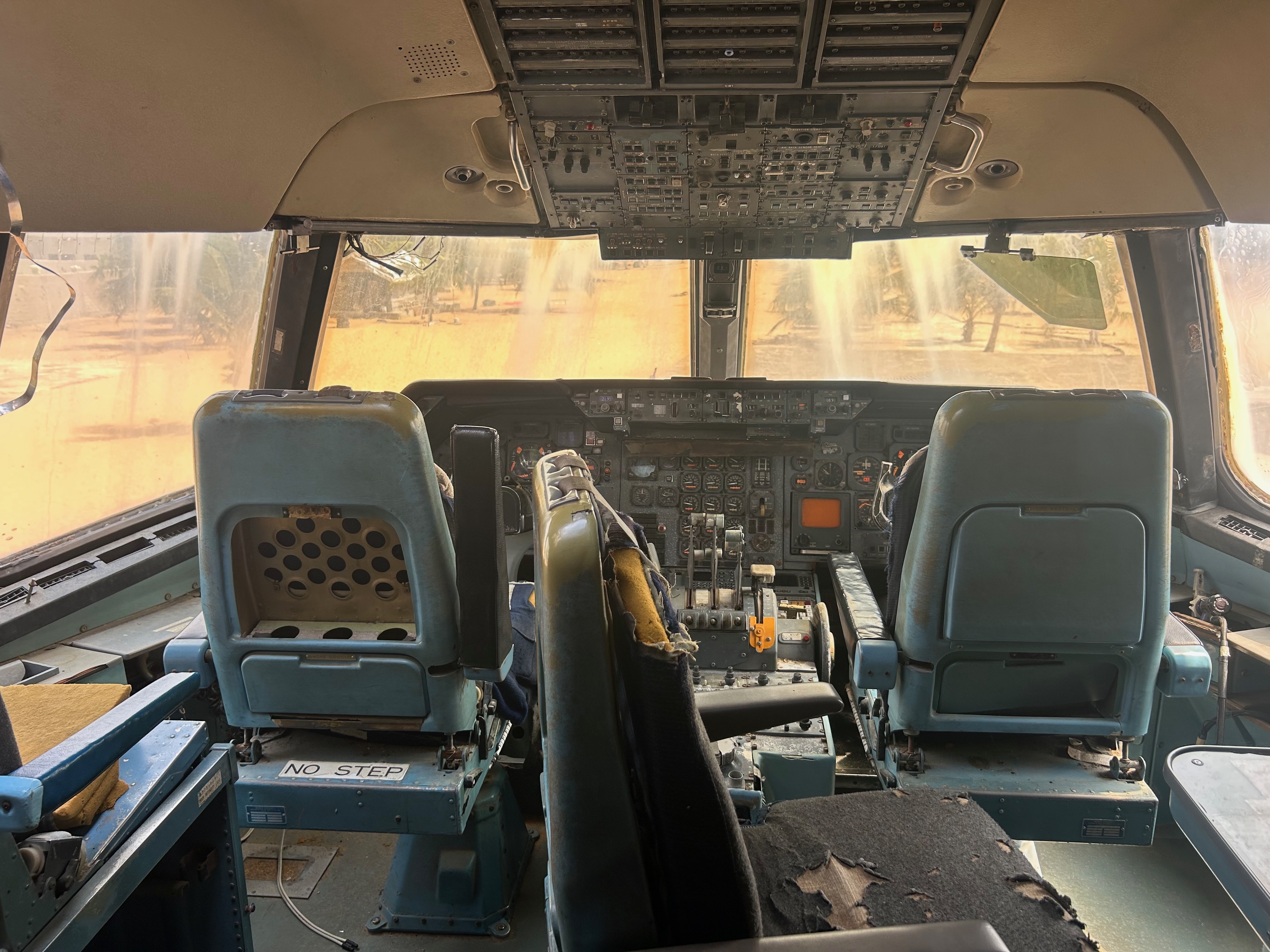
Next up: the beach—and a frigging airplane! It’s a Soviet 1940s aircraft abandoned on Cotonou’s beach. A caretaker let me climb aboard, showed me the cockpit, and we walked through the aisles. The interior is worn down, with antique ashtrays and old projectors instead of seat‑back monitors.
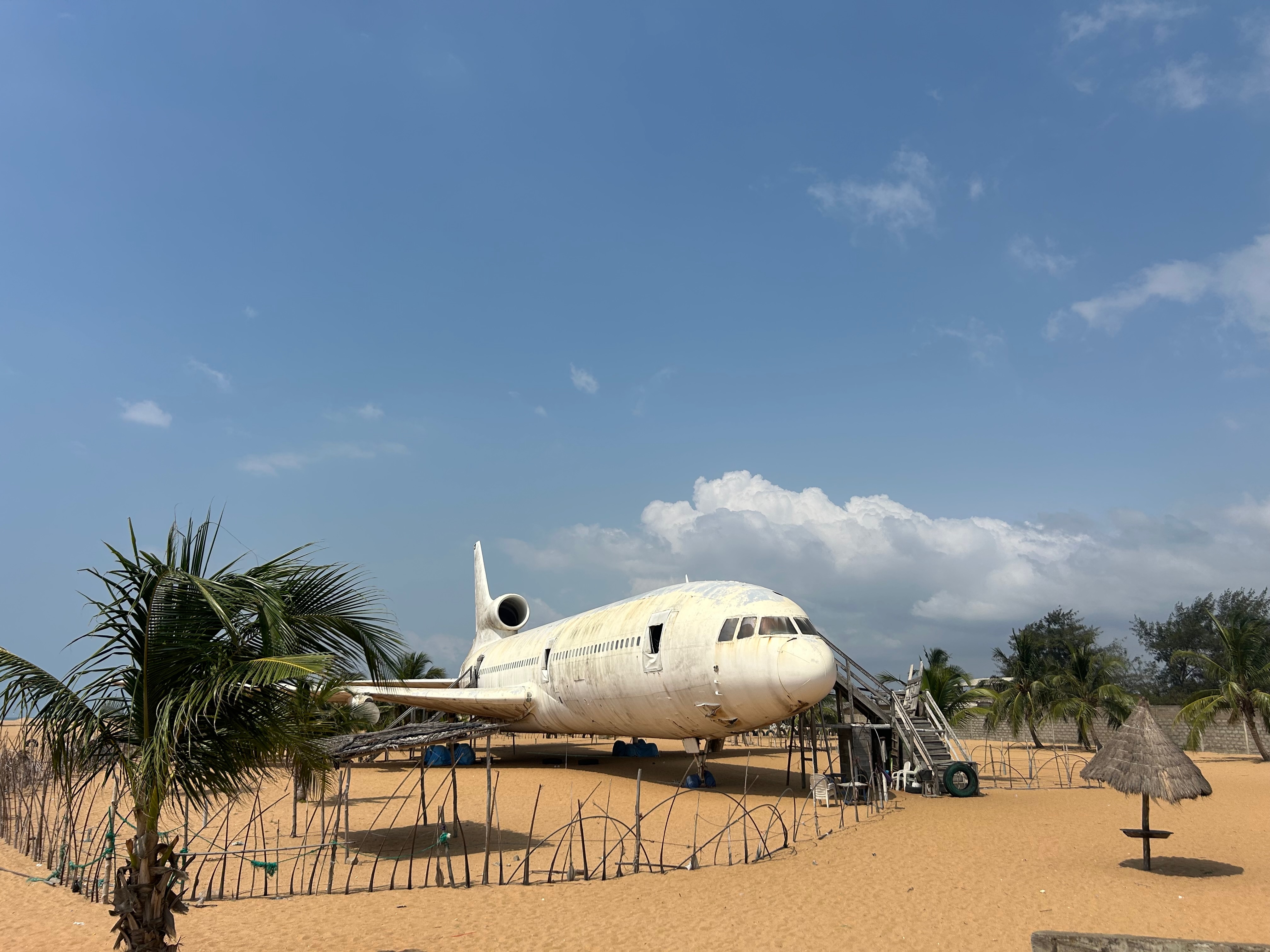
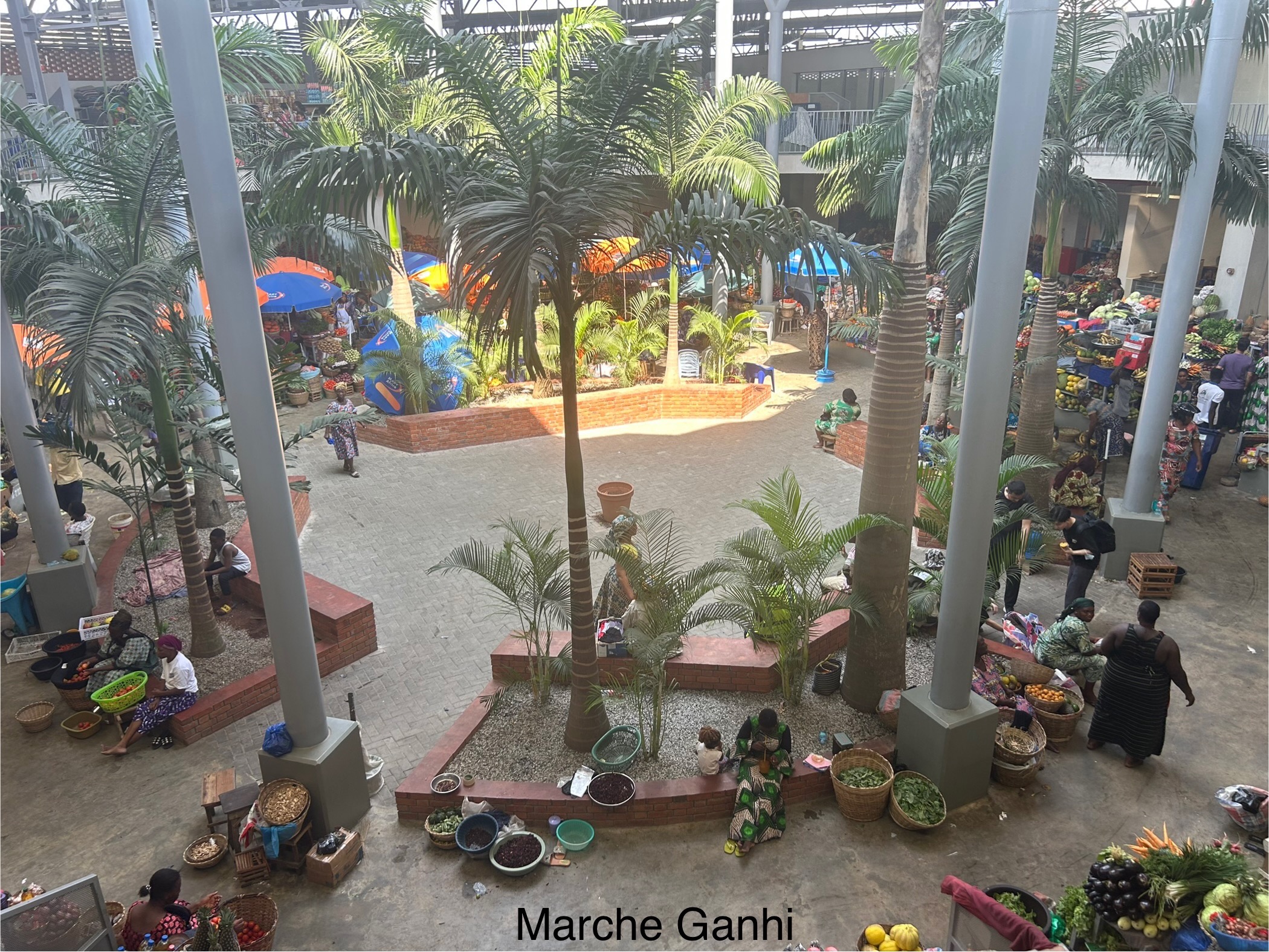
After walking through the Fidjrossè neighborhood, I visited Marché Ganhi, a newer, hip market. Inside, it was pure chaos, with vendors packed onto both floors.
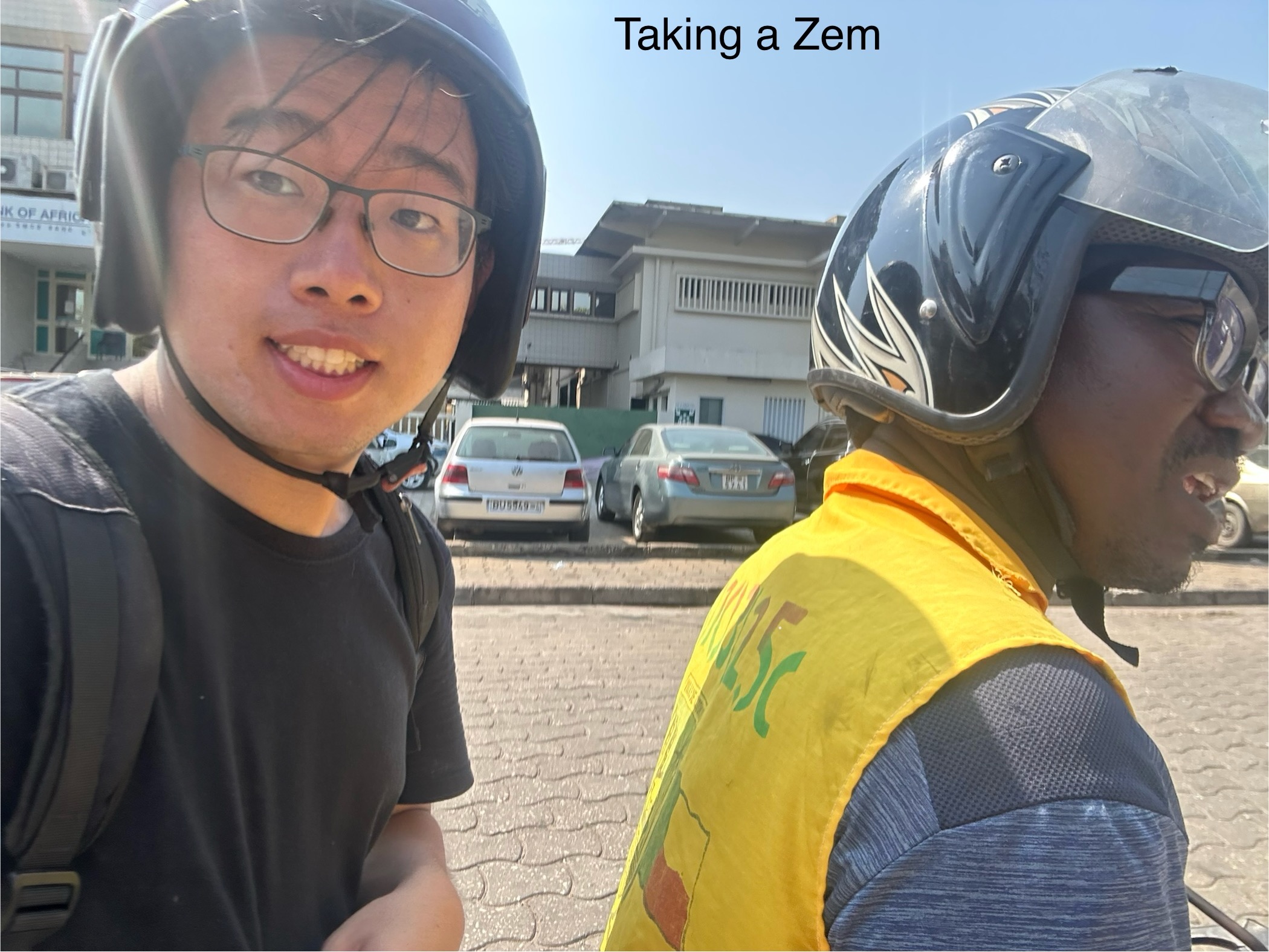
Because Gozem was having issues, I hopped on a Zem for the first time—those yellow‑vested moped “taxis” that are everywhere in Cotonou. My very friendly driver spoke some English and took me on a 10‑minute zip through the city. Helmets are mandatory; traffic rules seem optional.
Day 4: Ouidah and the center of Voodoo
Bonne année! C’est 2026. I’m spending New Year’s Day in Benin—the world’s center of Voodoo (Vodun)!
I had been woken up several times by the previous night’s fireworks, but I was excited for my first trip of the new year—to Ouidah!
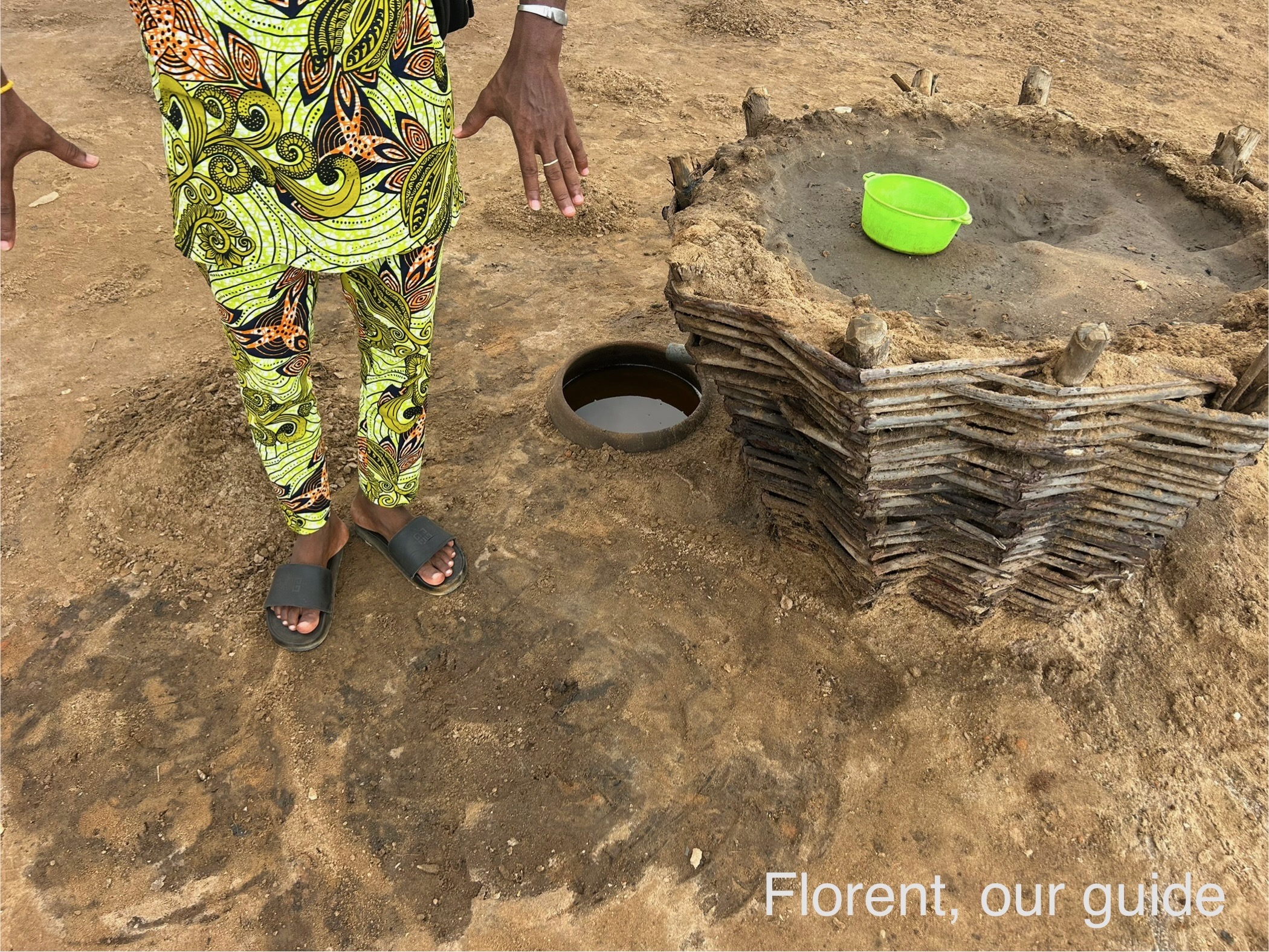
Our driver picked me up in Cotonou, then we found our guide, Florent, in Ouidah—a short 30‑minute ride away. Florent was working for his boss, who runs the tours, and was visibly tired on January 1.
The site had many wooden huts and pots. Florent explained that the soil around here has salt in it. To extract the salt, the soil is rinsed with water; the water is then collected and heated over fires before being sifted for impurities. Buckets of salt were for sale by the highway entrance.
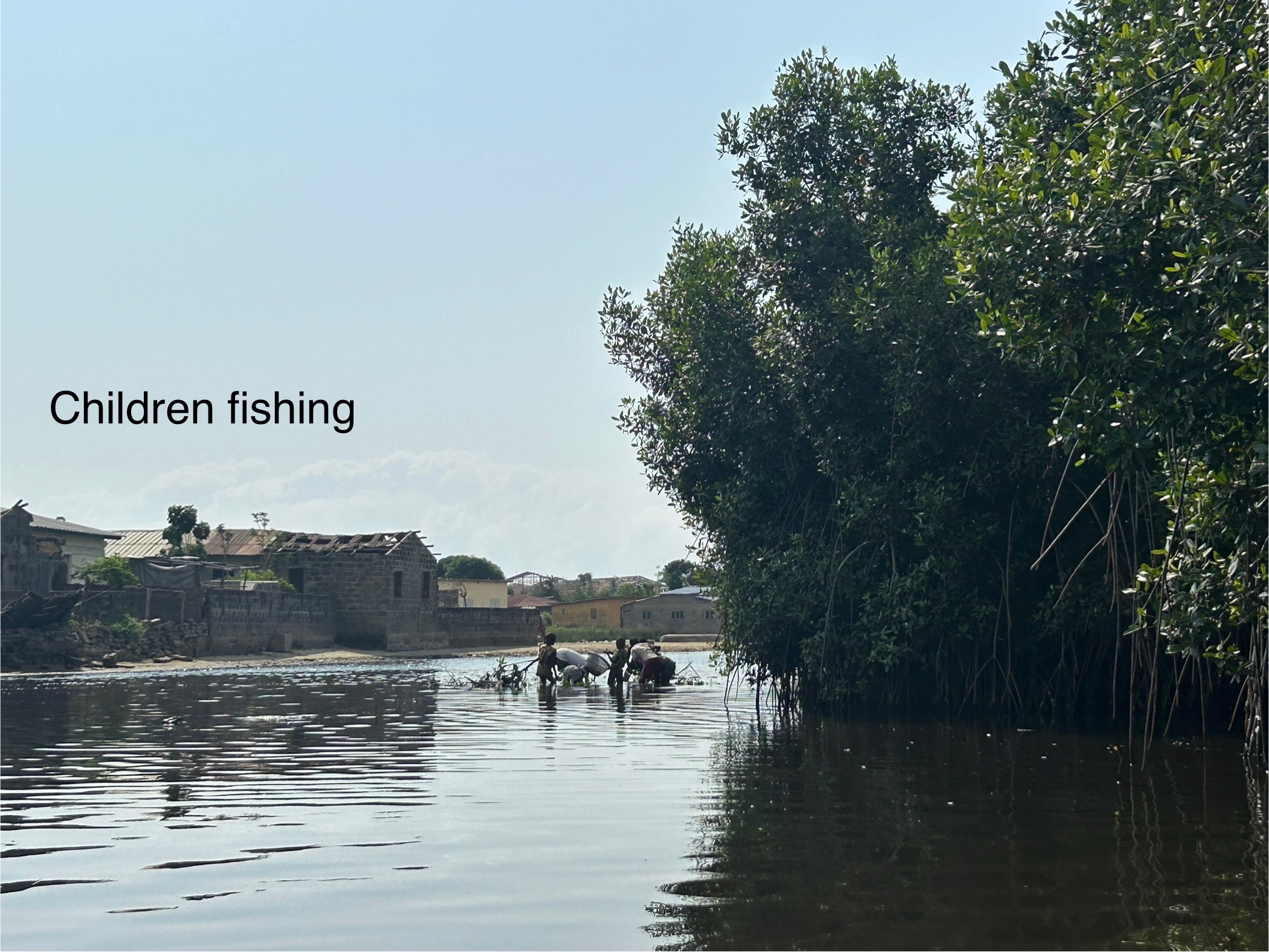
Our next stop was a canoe tour of a mangrove‑filled lagoon. In the lagoon, there were several islands with about 500 people living on them. Multiple times during the ride, the driver had to get out and drag the canoe because the dry season had caused the water level to drop too much.
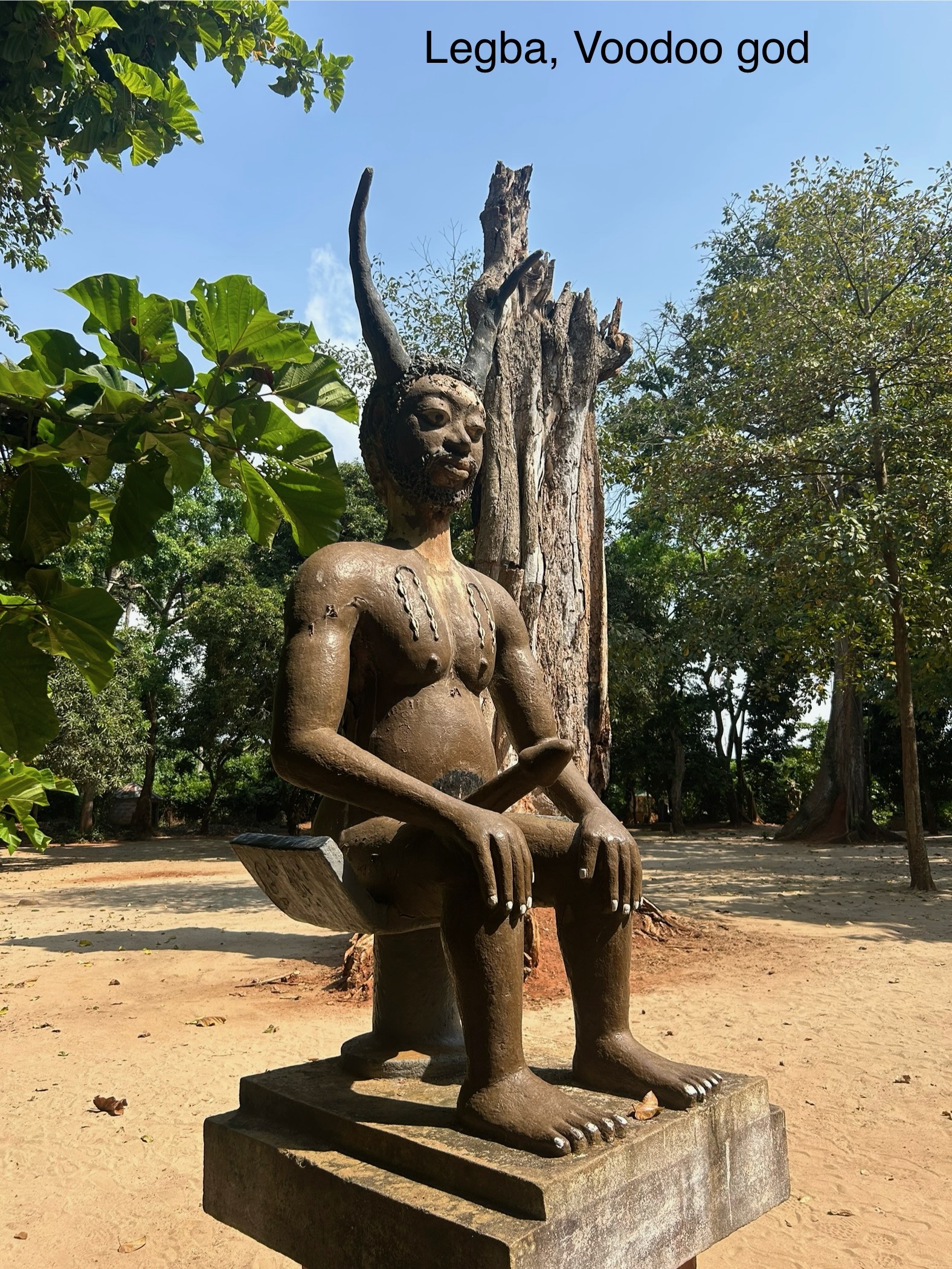 You can often see Legba guarding homes from evil spirits in Ouidah.
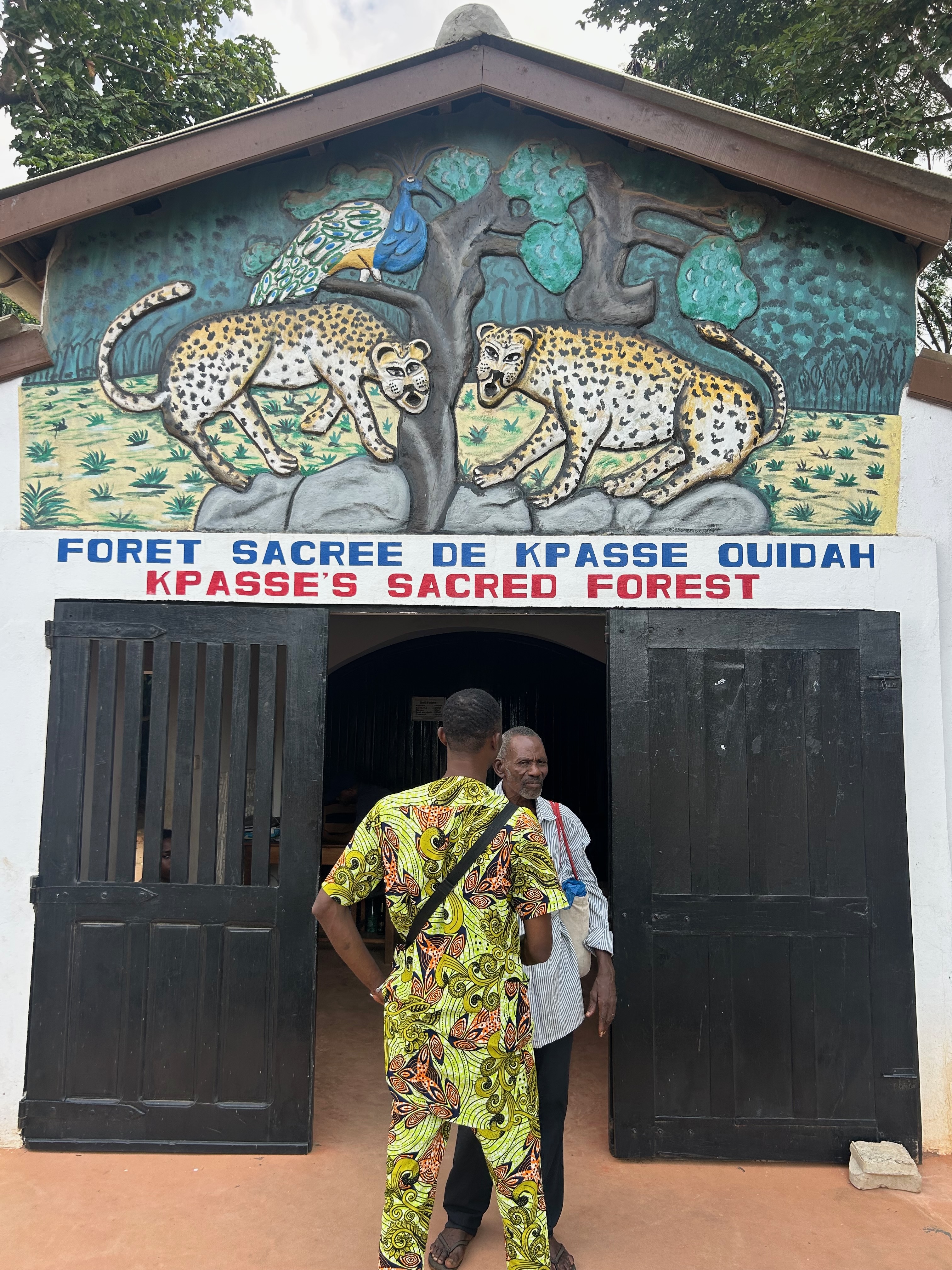
We then stopped by the Sacred Forest. The “shrine” was inscribed with Xweda—Ouidah’s original name before it was transliterated for Europeans. In the 17th century, King Kpasse died and, according to Vodun, became the sacred tree. Xweda was a kingdom, like Abomey.
Vodun Days—the biggest Voodoo festival in the world—is on January 10, and I will unfortunately be missing it. Video showing some amazing cultural celebrations every year.
We walked around the park/shrine and learned about the various Vodun gods. There are many. The main one is Legba, placed in front of the house as the guardian of thresholds and messenger. Thunder is Heviosso; iron and war is Gu; earth/health and farming is Sakpata…
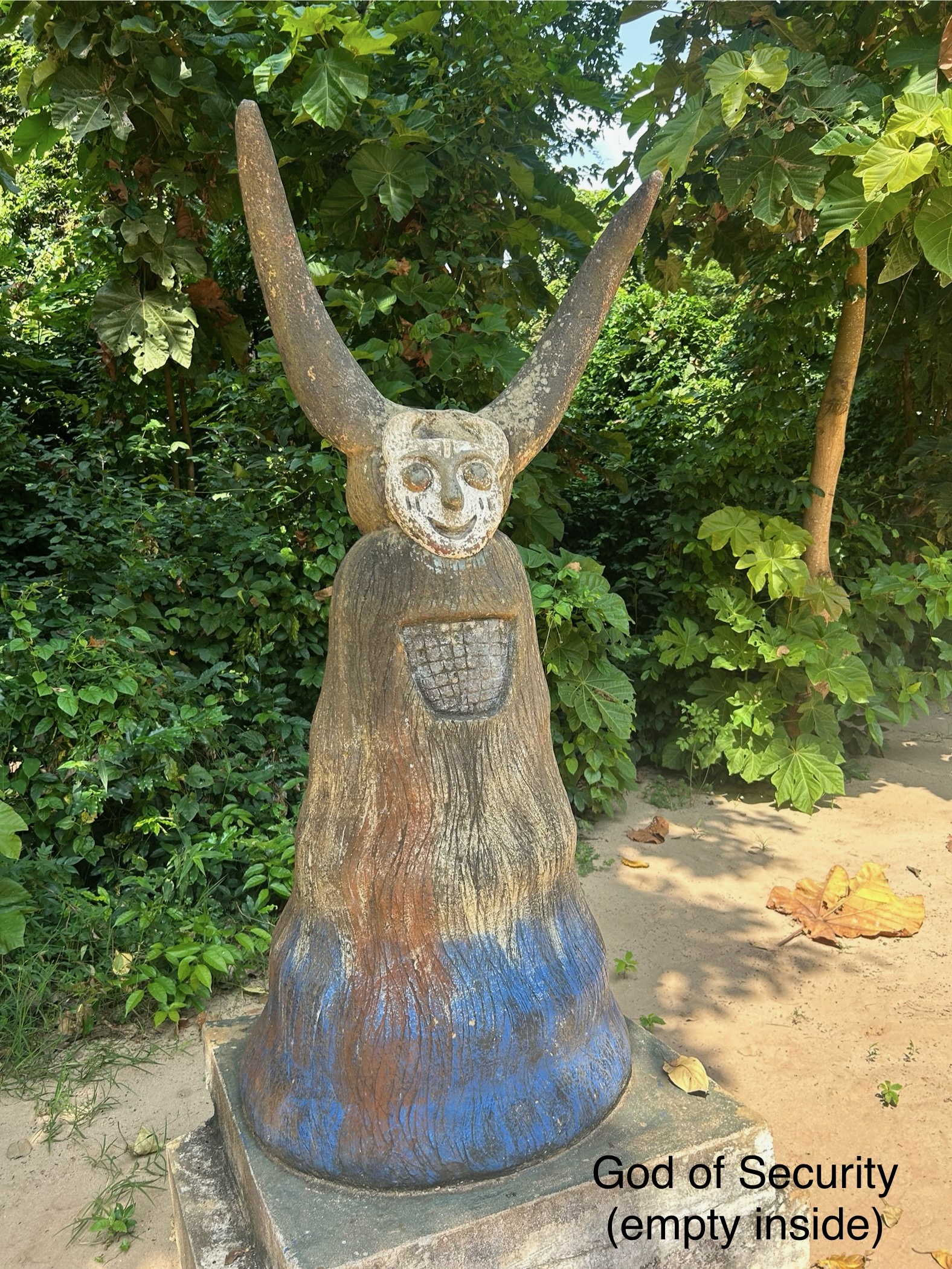
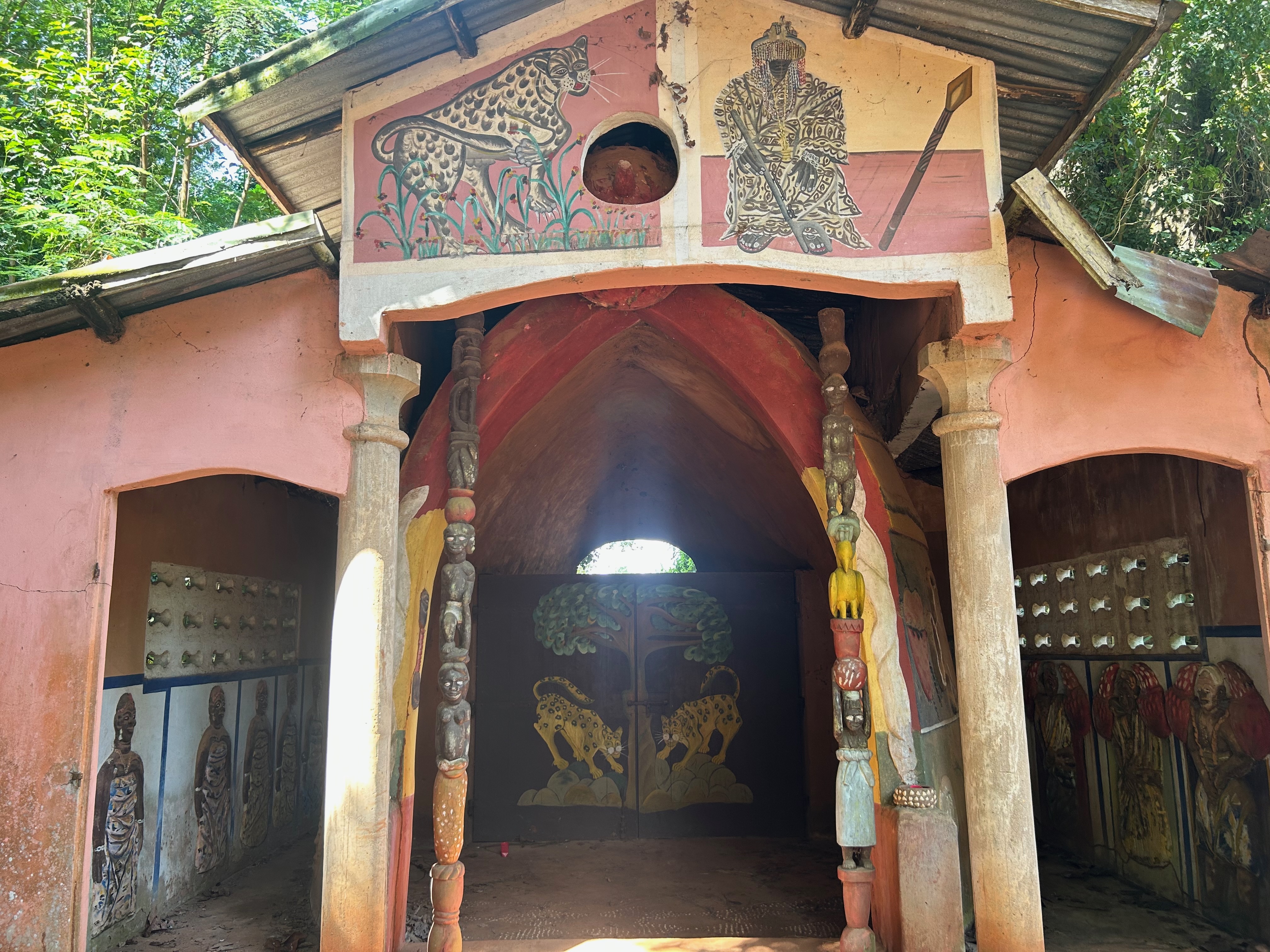 Right: Only Voodoo initiates can enter.
Vodun initiates typically have paired facial stripes—on the top, the left and right temples, and the lower left and right sides of the face—whereas in Nigeria there are three marks instead; our guide’s boss had visible facial marks that looked like tiny lines.
We heard loud screeching, and Florent explained that many bats were flying above us.
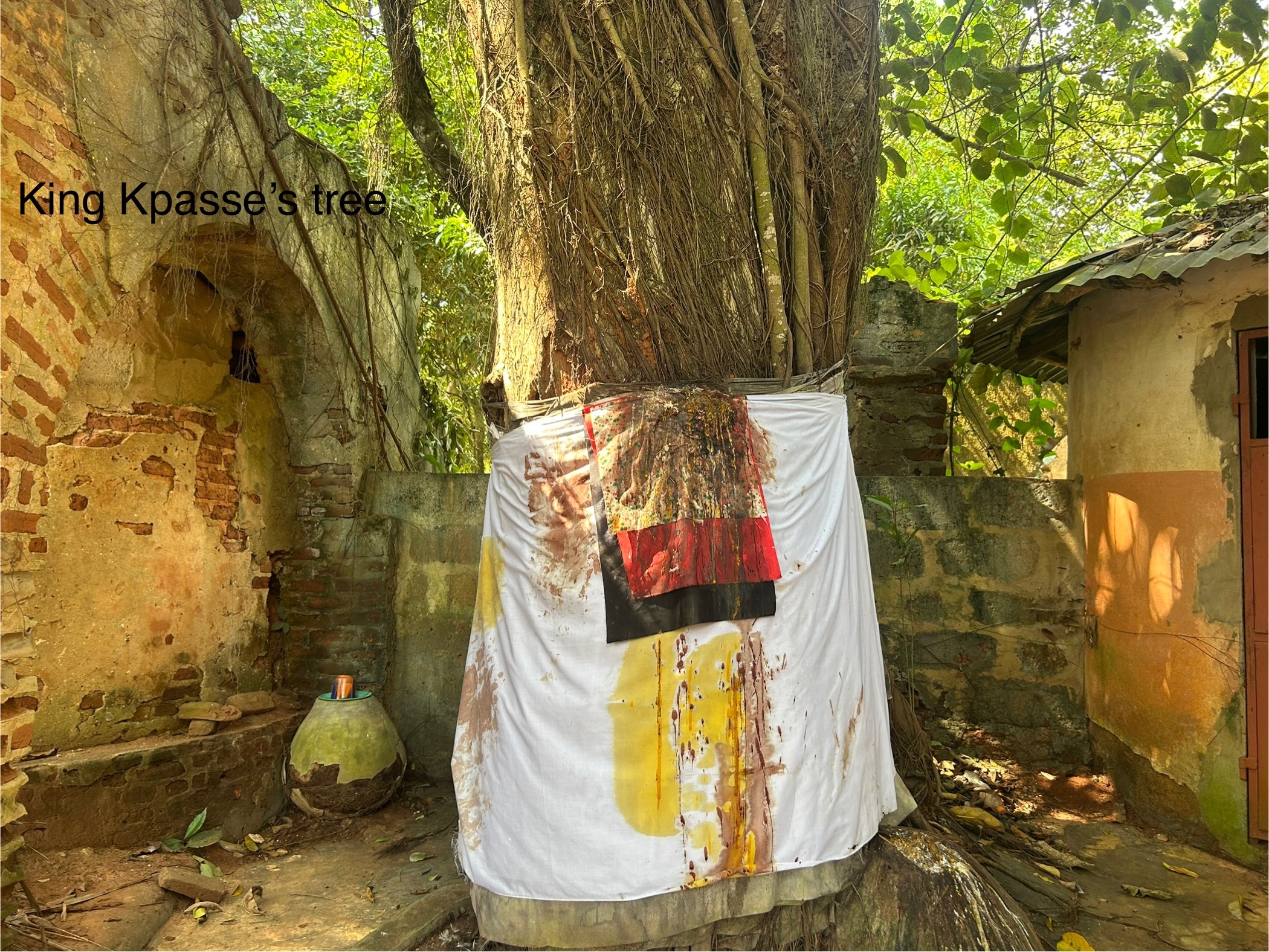
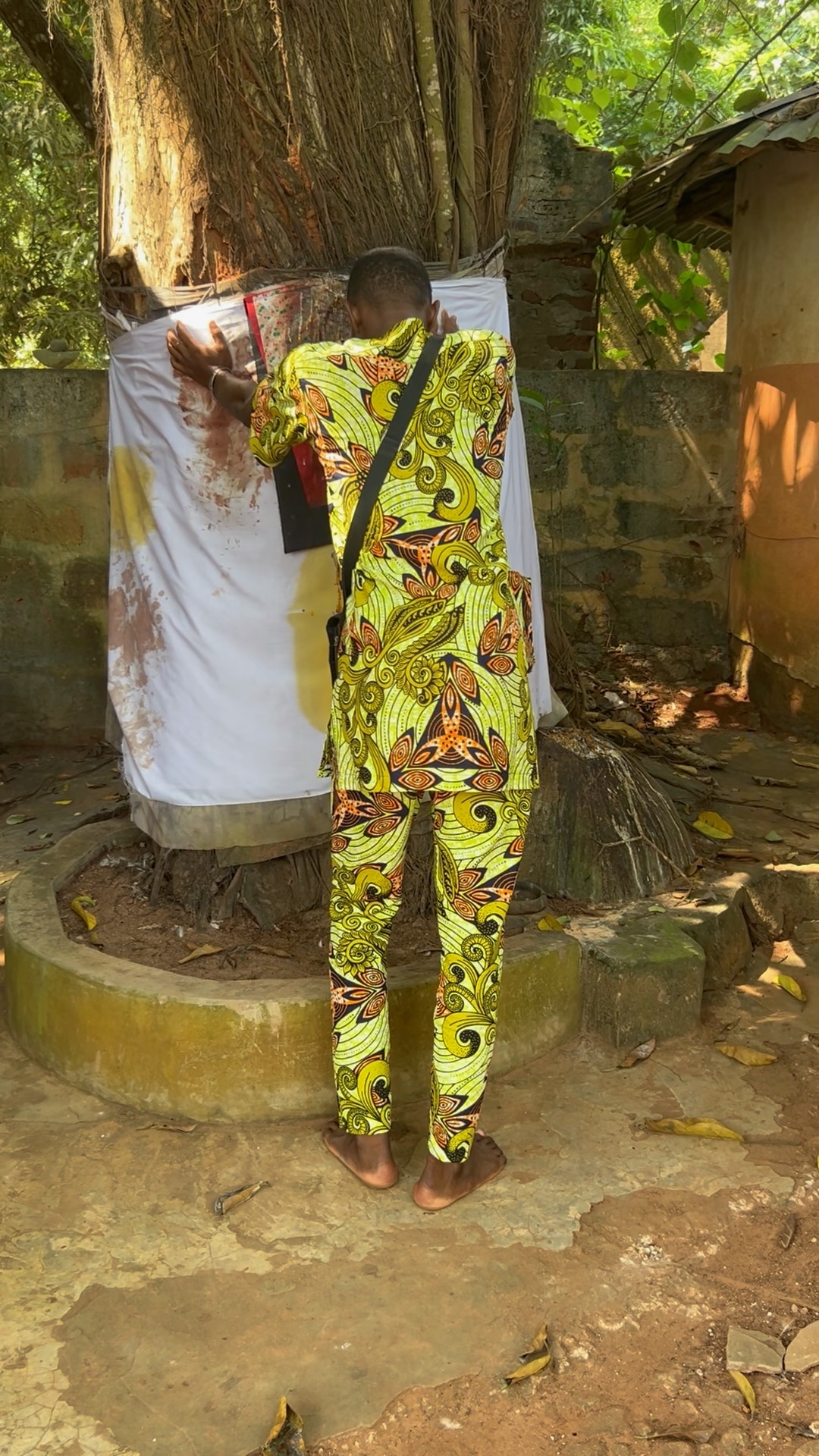
At last, I visited King Kpasse’s tree. It is a tradition to pray here and offer animal‑blood sacrifices at the tree. Florent demonstrated by praying for about 30 seconds and explained that tourists can make a positive prayer and, after tossing some money, have it come true. I politely declined.
Before his demonstration, Florent had just taken out all the cash in there and put it into his own pockets 🙂↔️!
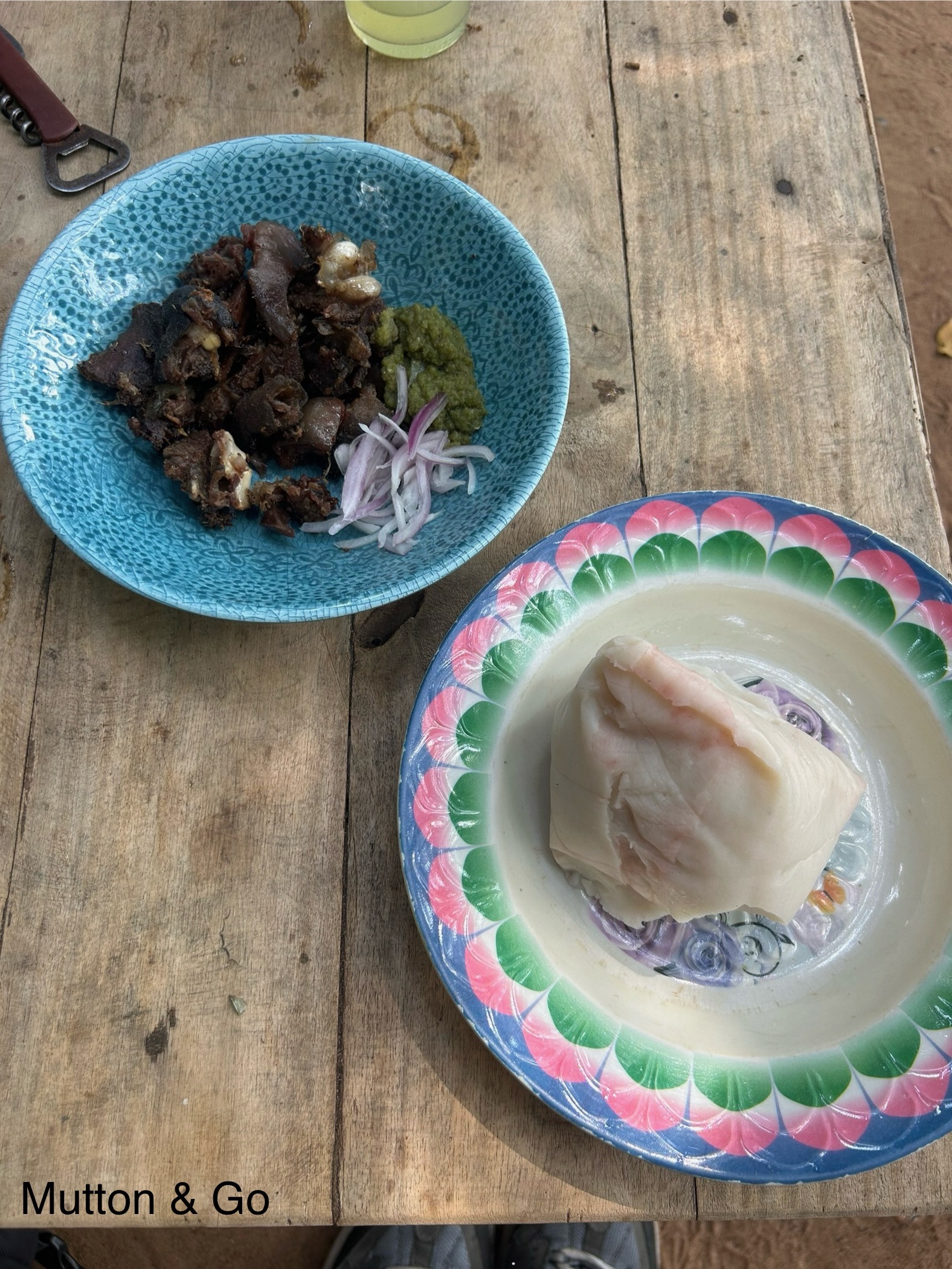
We then had some Go and mutton before heading to the Python Temple. I was told that the royal pythons are non‑venomous constrictors, eat a mouse every two weeks, and can live about 20–40 years.
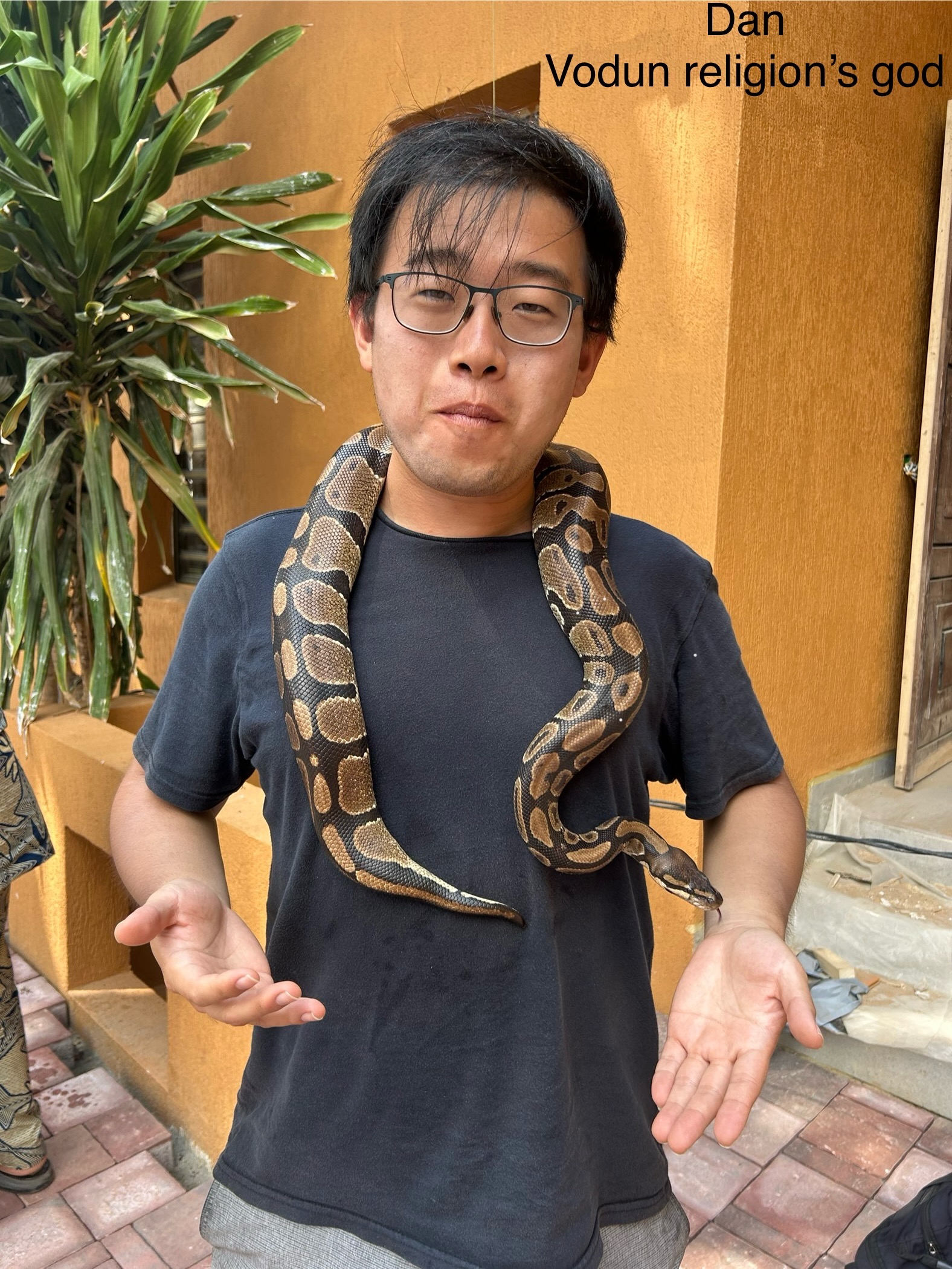
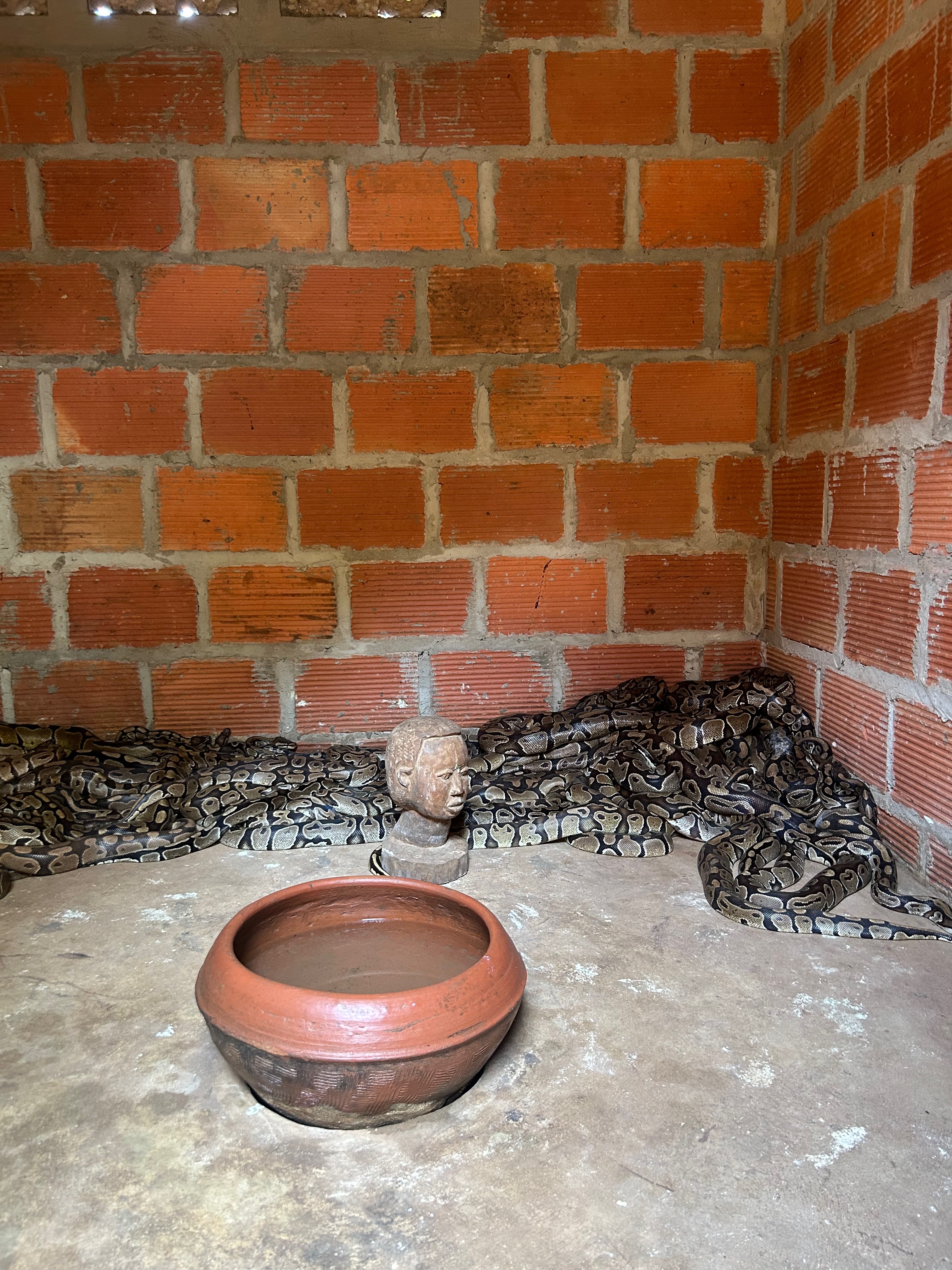
Voodoo adherents worship the pythons as sacred. Note: The Voodoo religion is polytheistic; right across from the Python Temple is the first Catholic church in Benin.
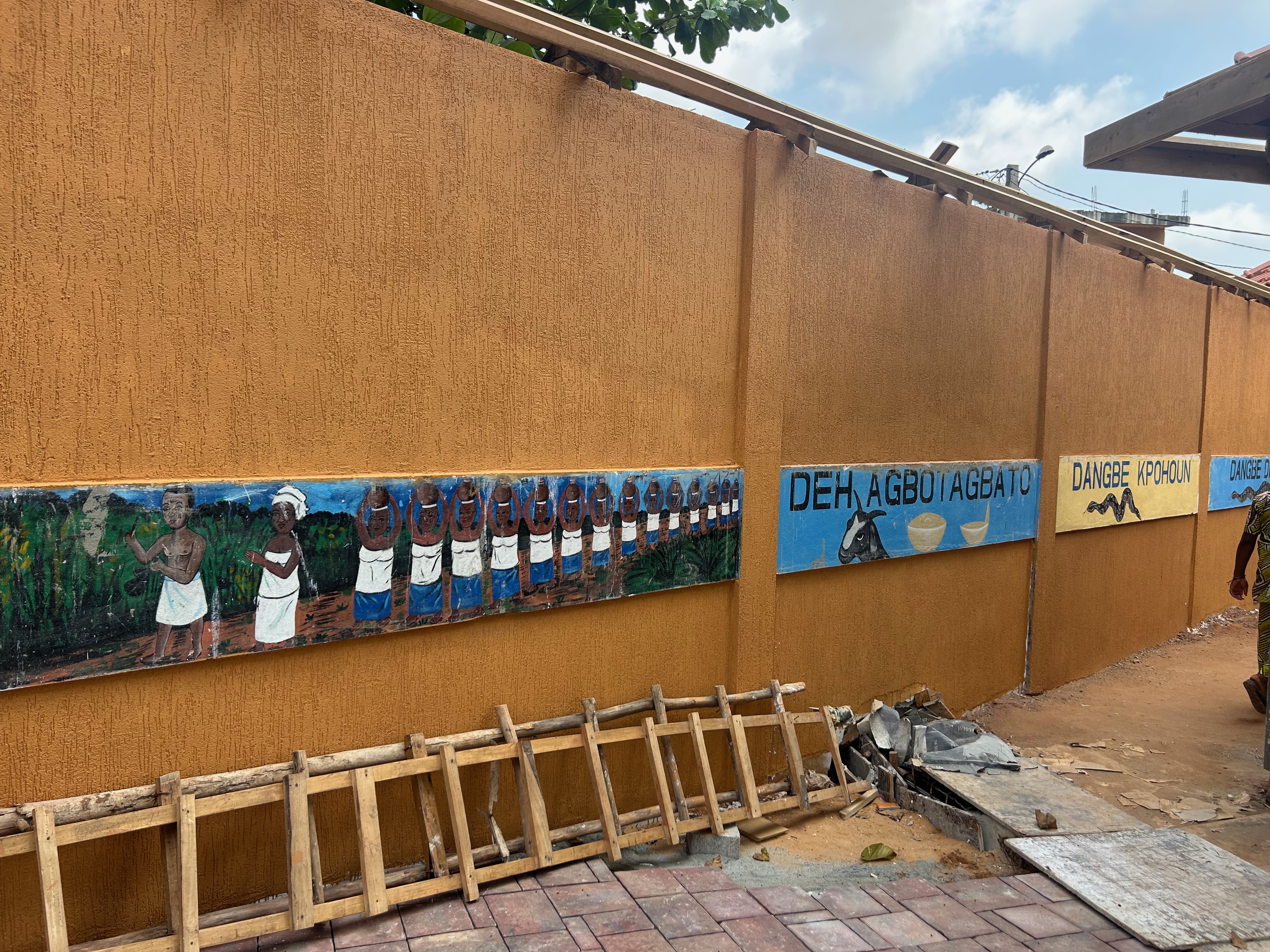
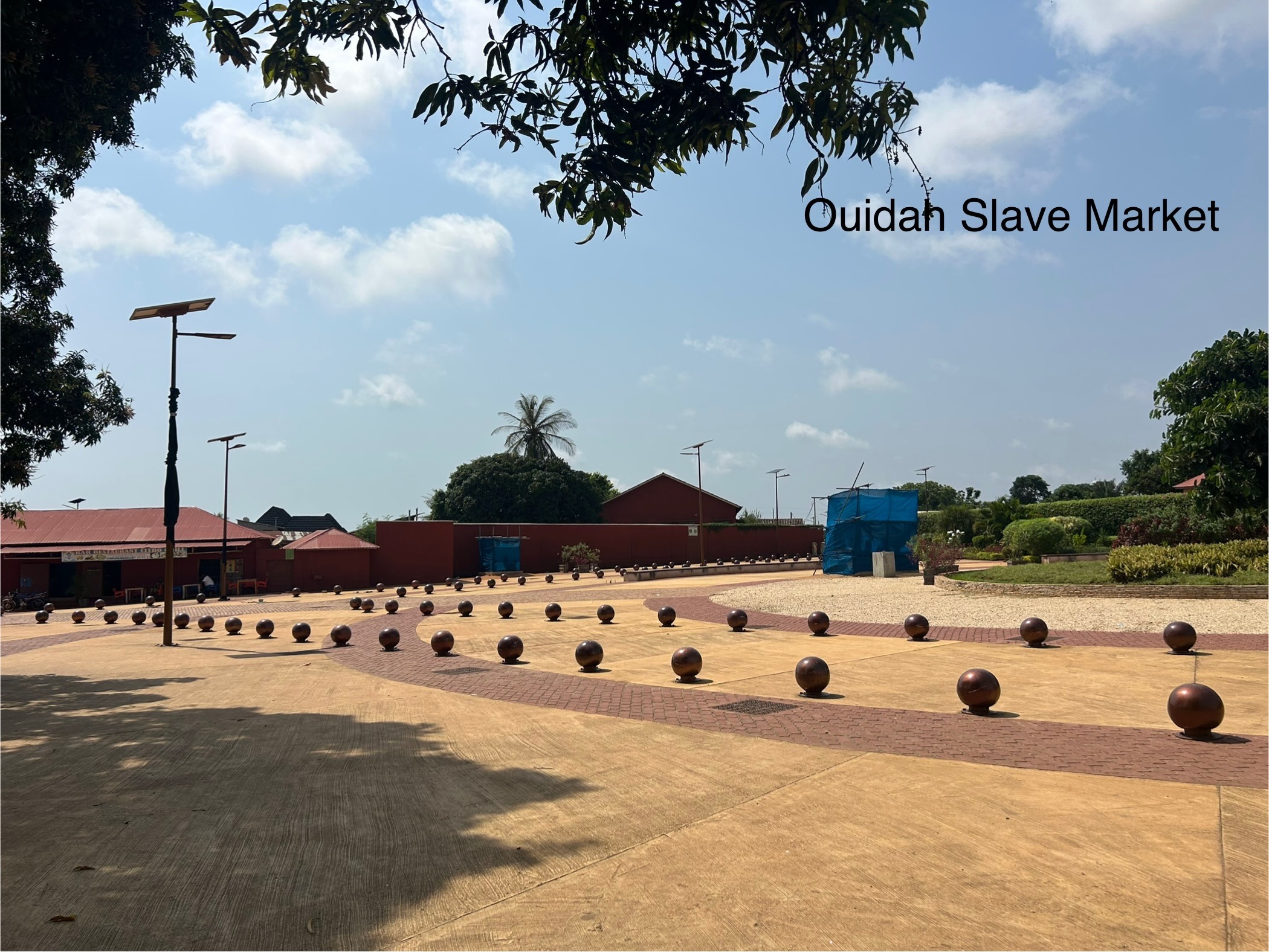 Right across from the market is the house of a Brazilian‑Portuguese slave broker.
Dahomey forces controlled these markets and sold prisoners of war (POWs), members of other tribes, and criminals for resources. Africans played a key role in the enslavement of other Africans.
Our next stop was the slave market, a long stretch marked with small spheres representing chained people. This area used to be a forest where people were sold to Europeans for manufactured goods. They were branded and sent to the Tree of Forget, where men walked around the tree nine times and women seven. They were then sent to the Black Room for up to a month to simulate the conditions of the ships to the Americas (many died). When they were ready to leave, they went around the Tree of Return three times so that, when they died, they would return here spiritually.
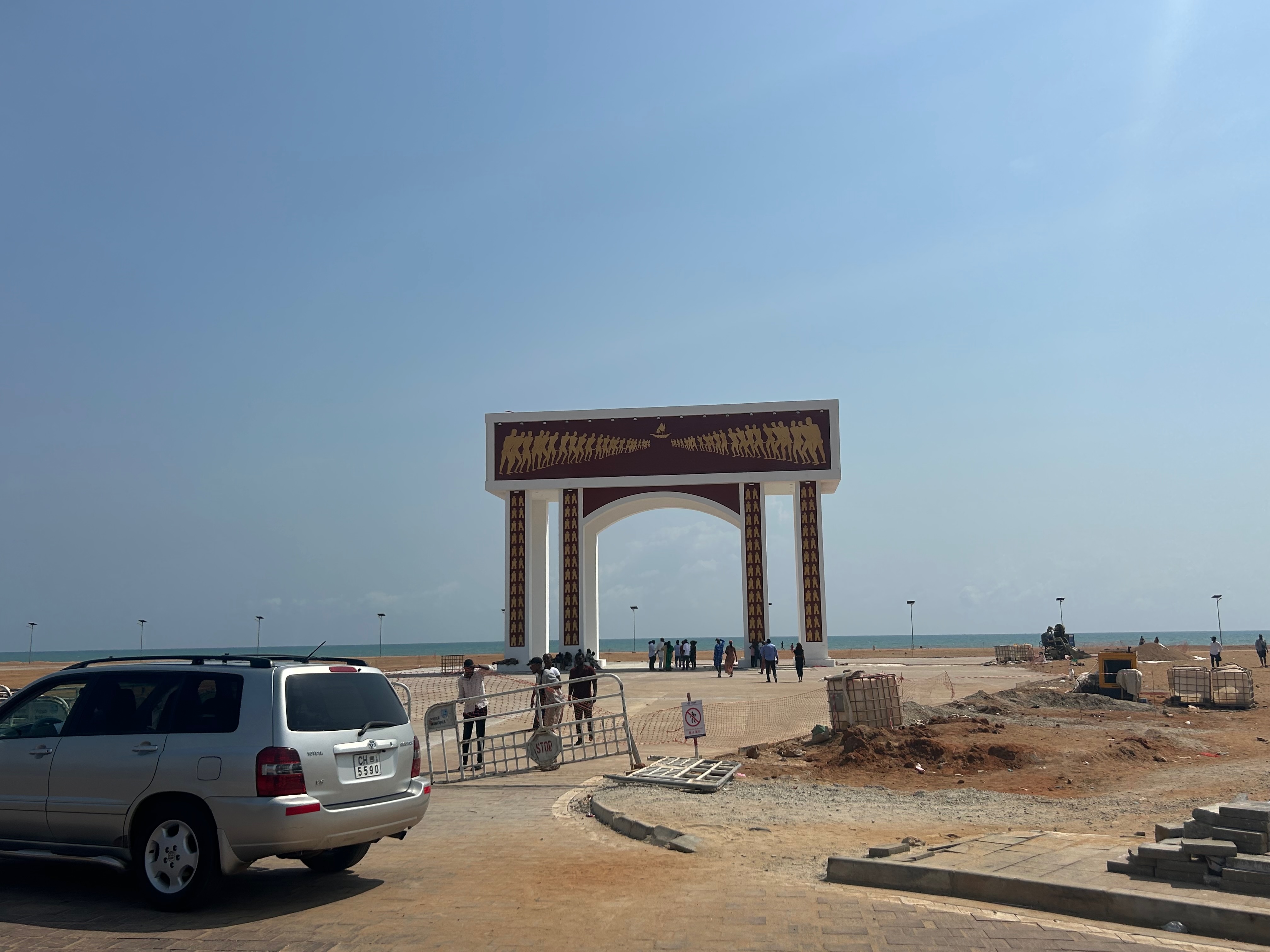
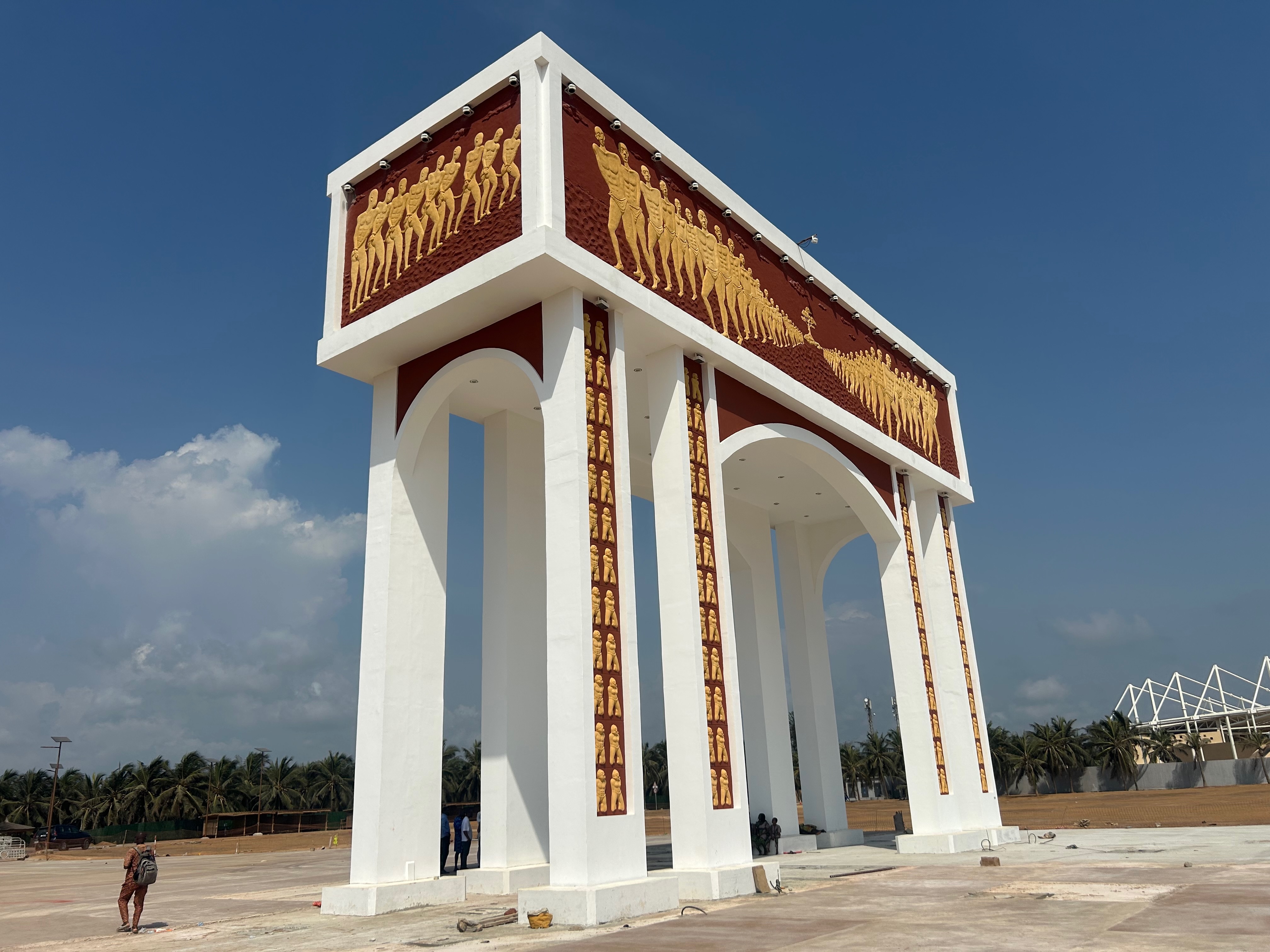 The gate is absolutely massive and you can see this all the way from the center of Ouidah to the sea.
The Gate of No Return in Ouidah is a massive monument that depicts how slaves were chained and transported by canoe to larger ships bound for the Americas. On the ocean‑facing side, it has a Tree of Forget carved into it. The government also built a replica of a slave ship in the distance.
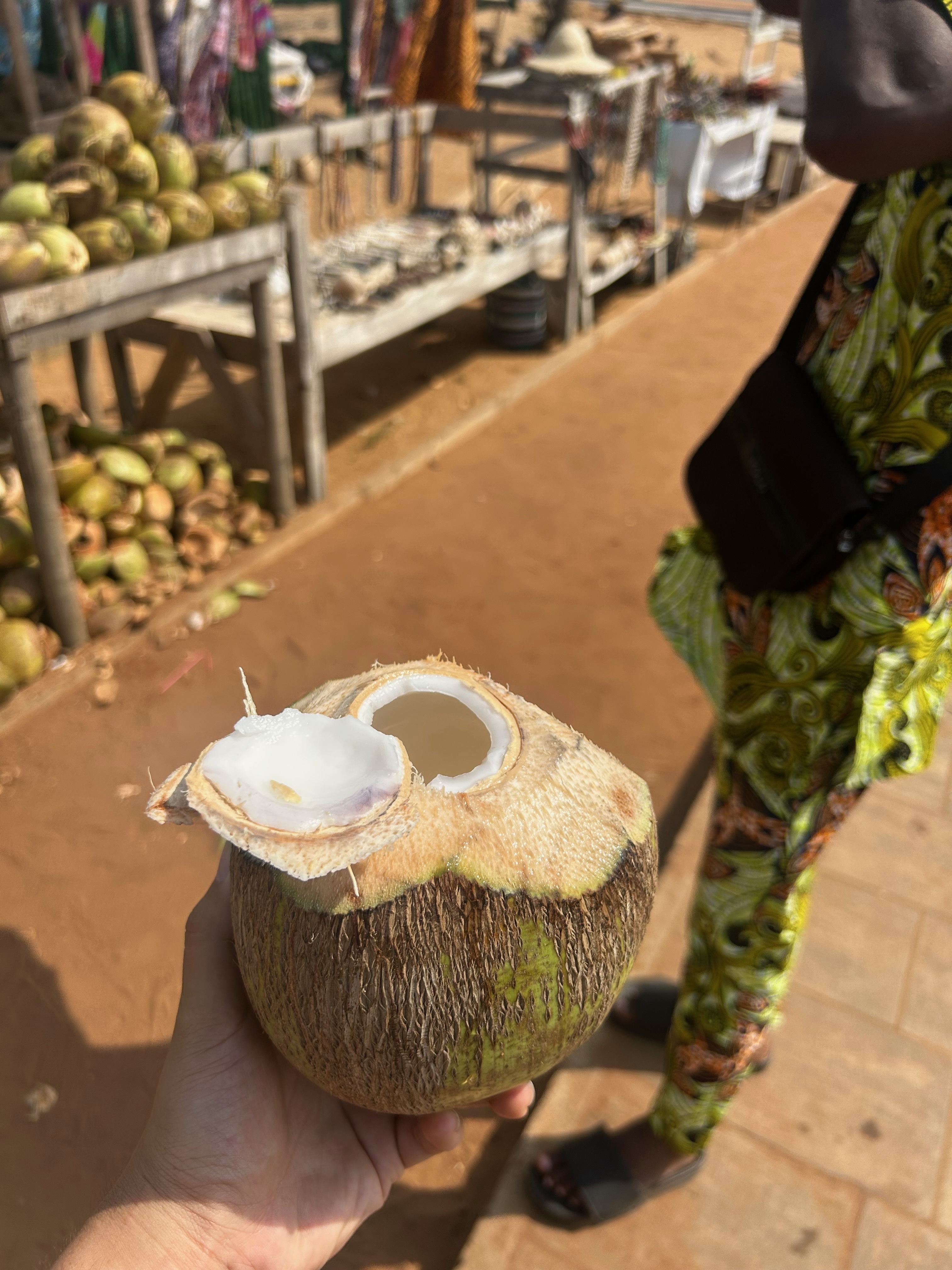
After sharing a coconut, Florent and I said our goodbyes, and I returned to Cotonou.
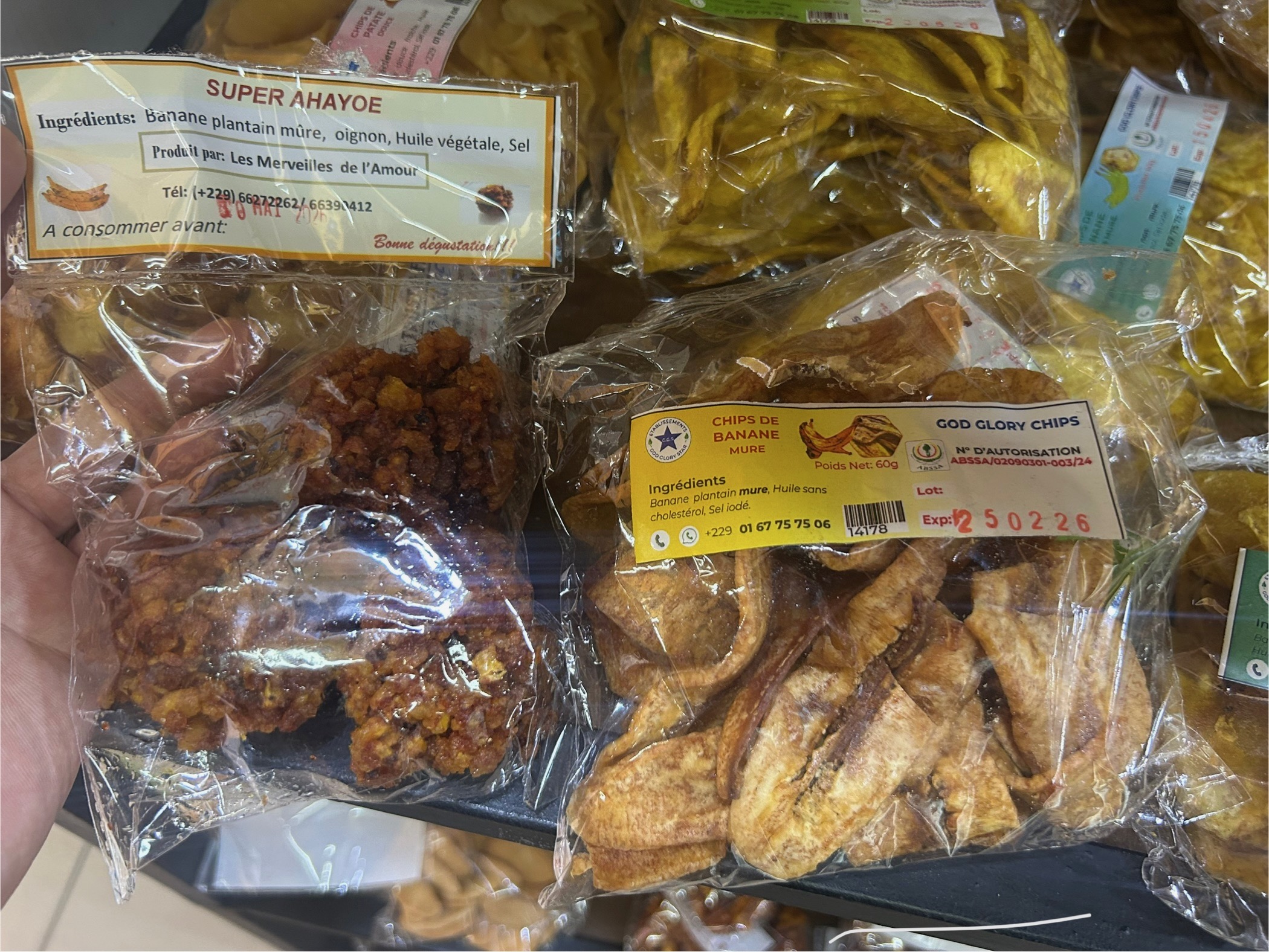
Because it was New Year’s Day, many restaurants were closed, so I had noodles at a Chinese restaurant.
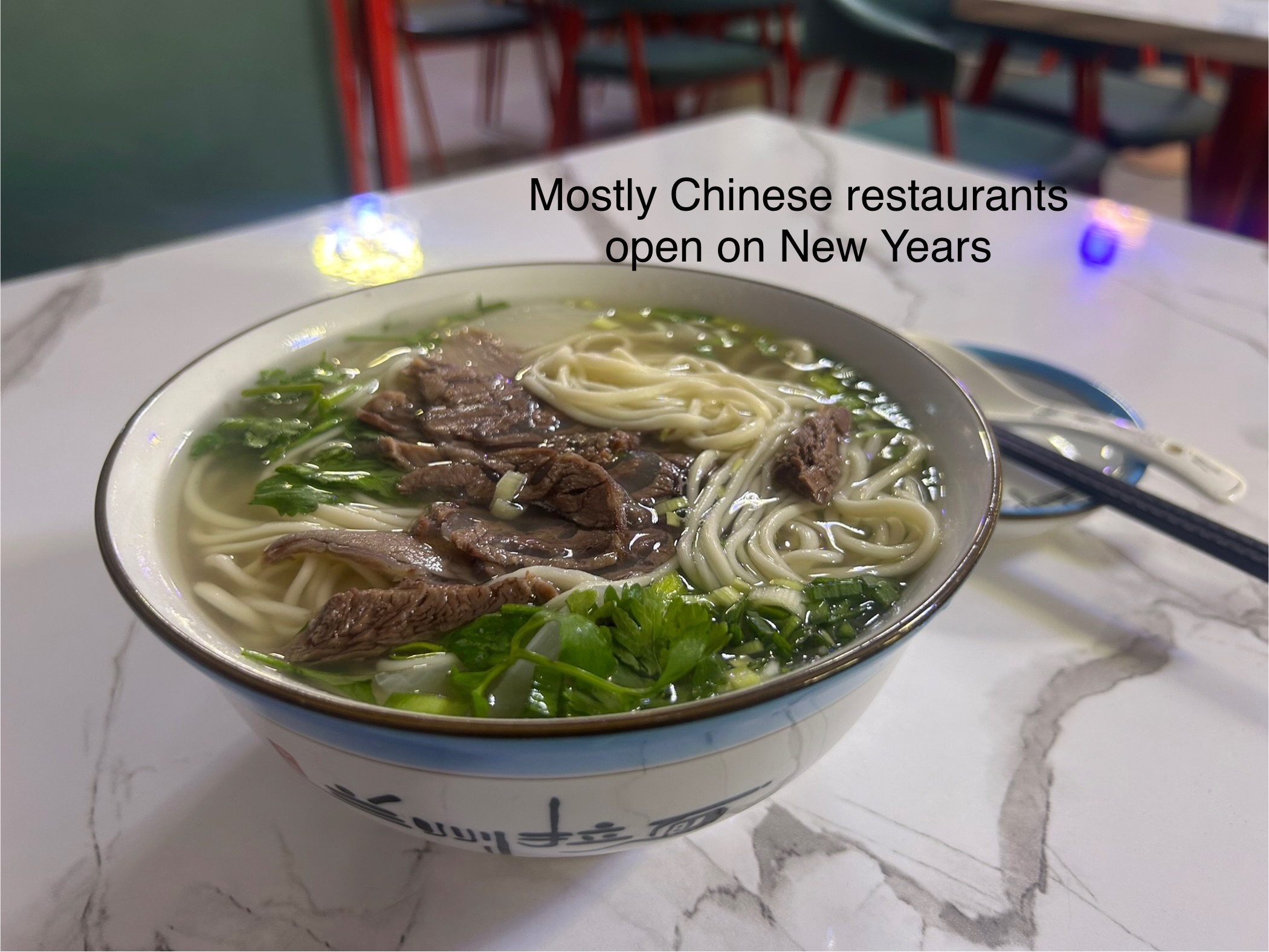
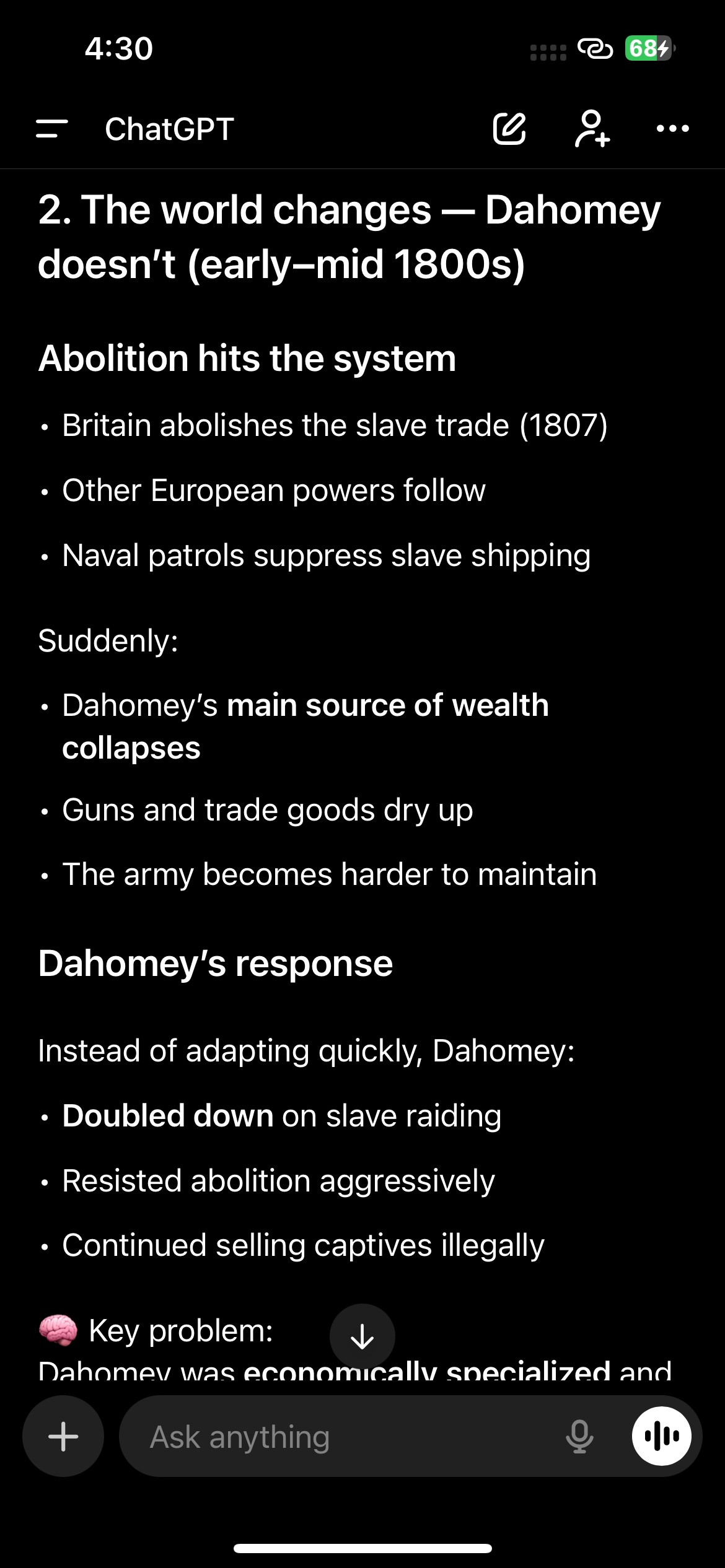
While eating Chinese Lanzhou noodles, I reflected on my day and read about what Dahomey could have done differently. After slavery was banned and Europe turned to colonization, Dahomey lost power. It valued honor and ritual and viewed compromise as weakness; this contrasts with Ethiopia, Thailand, and Morocco, which were more flexible, and with Japan’s hyper‑aggressive push to modernize.
What if Dahomey didn’t rely only on the sword? Having been allies to the Europeans since the 1600s, what if more tact and diplomacy were used instead in 1890? As a stranger to this land, who am I to conjecture and point to Dahomey? haha
Maybe this is a piece of thought that I can carry with me in the years to come.
Day 5: Good bye Benin!
On my last day, I strolled to the farmers’ market again, and found a few good souvenirs at the artisans’ market.
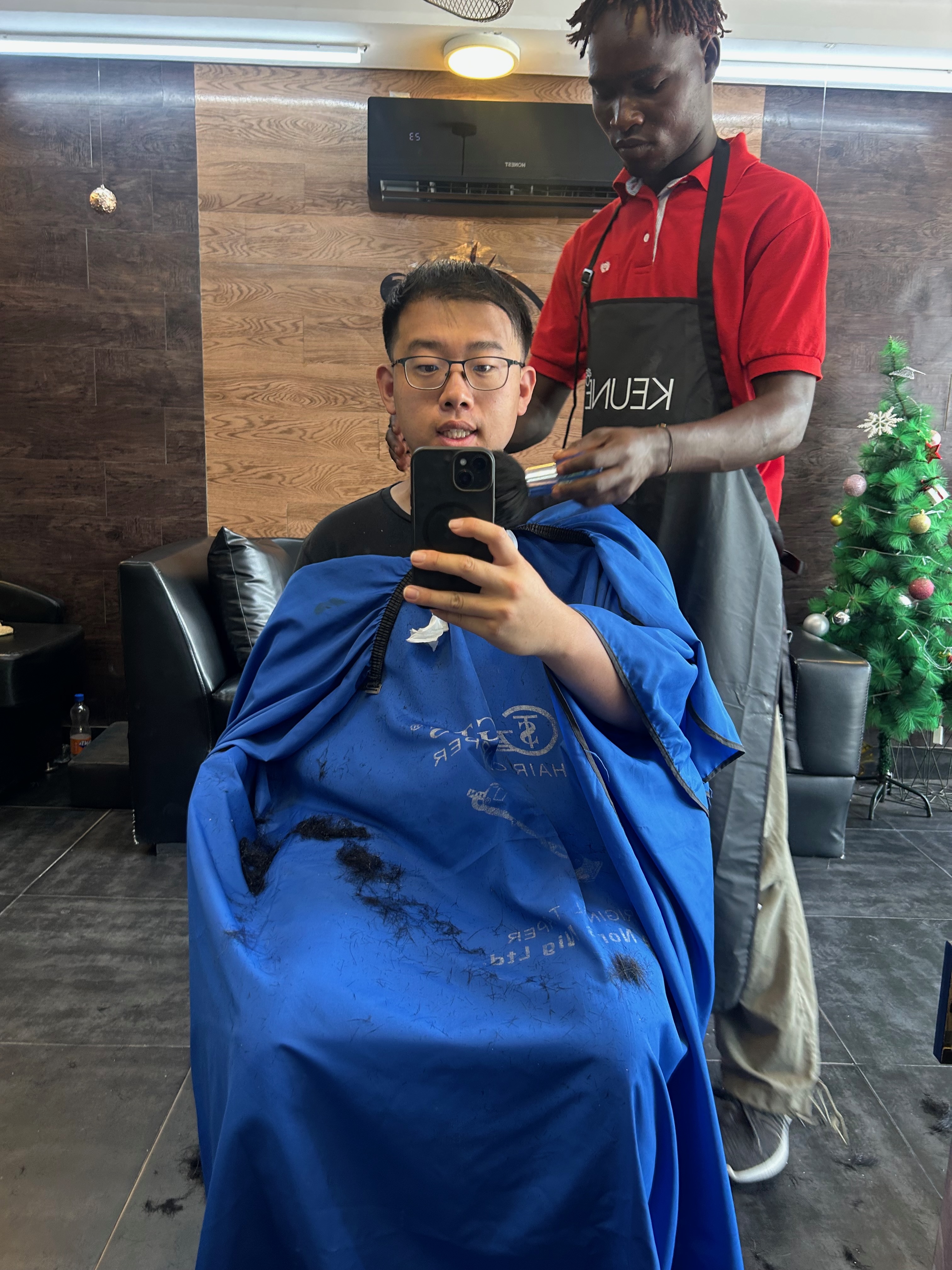
I had a long‑due haircut and said goodbye to Benin!
The meaning of the nailed figure in Vodun is actually quite different from what America’s version became. In Vodun (at its birthplace), the Nkisi Nkondi is actually a protection piece, symbolizing a spiritual container to seal oaths, punish wrongdoings, and protect the community. So it’s not the distorted American version which means to curse someone.
[Receive future updates]