Ghana Black Star of Africa
 Ghana | Country 42 | 7 day |
Many thanks to my employer (R) who allowed me the privilege to travel with flexibility.
I stayed in Accra, Ghana for the week and explored the city as well as surrounding excursions.
- English-speaking, Ghana is very accessible for English speakers and friendly towards tourists! It felt as developed as the Ivory Coast with good safety.
- First country to gain independence in Africa in 1957, previously the Ashanti Empire, then the British Gold Coast.
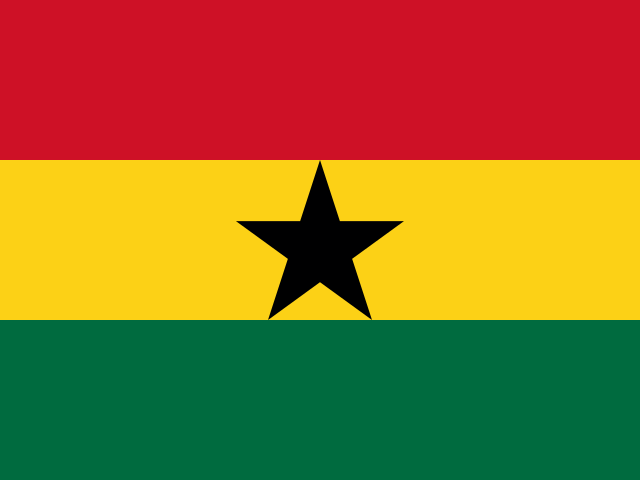
- The Ghanaian flag is a black star on top of red/yellow/green, which represent the blood shed in the fight for independence, the country’s mineral wealth, and its rich forests. The black star signifies African (black) freedom (star).
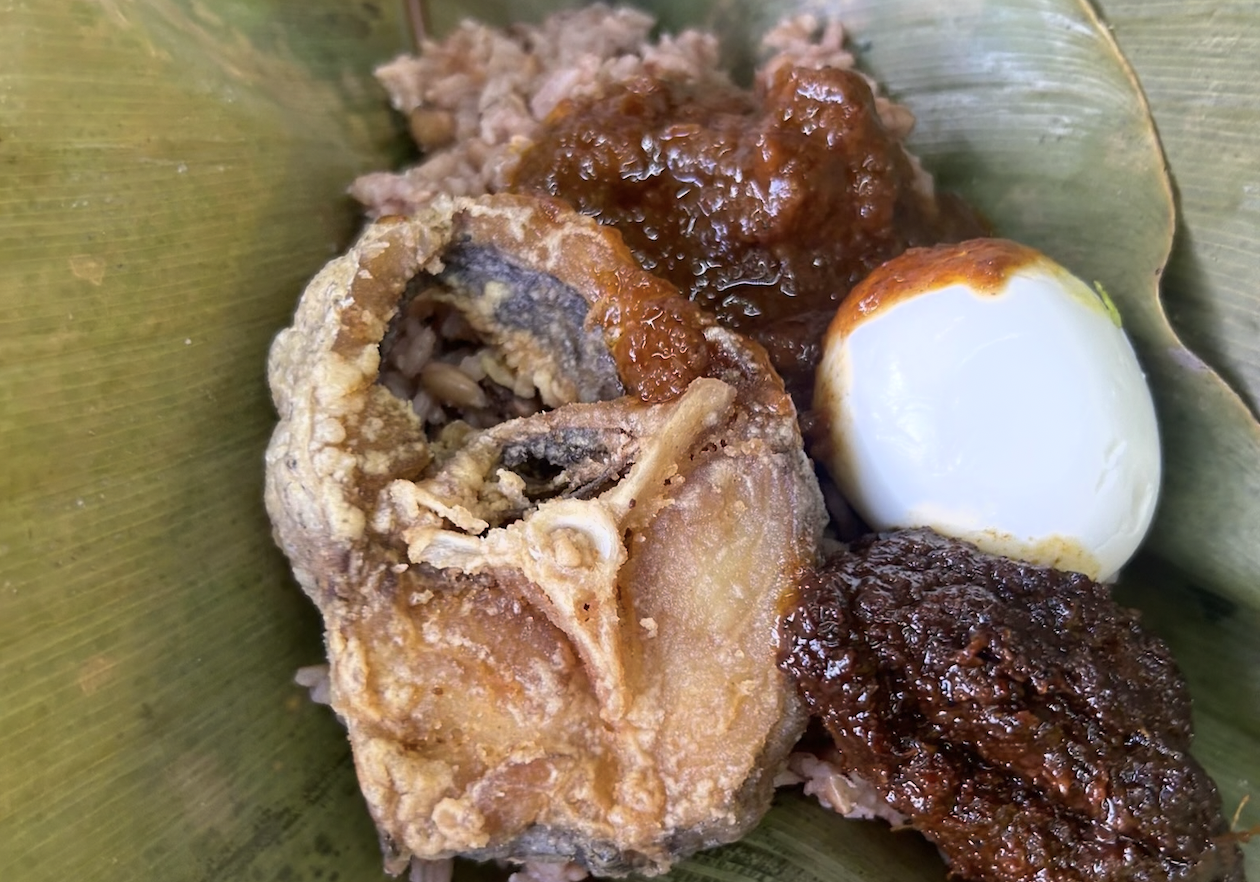
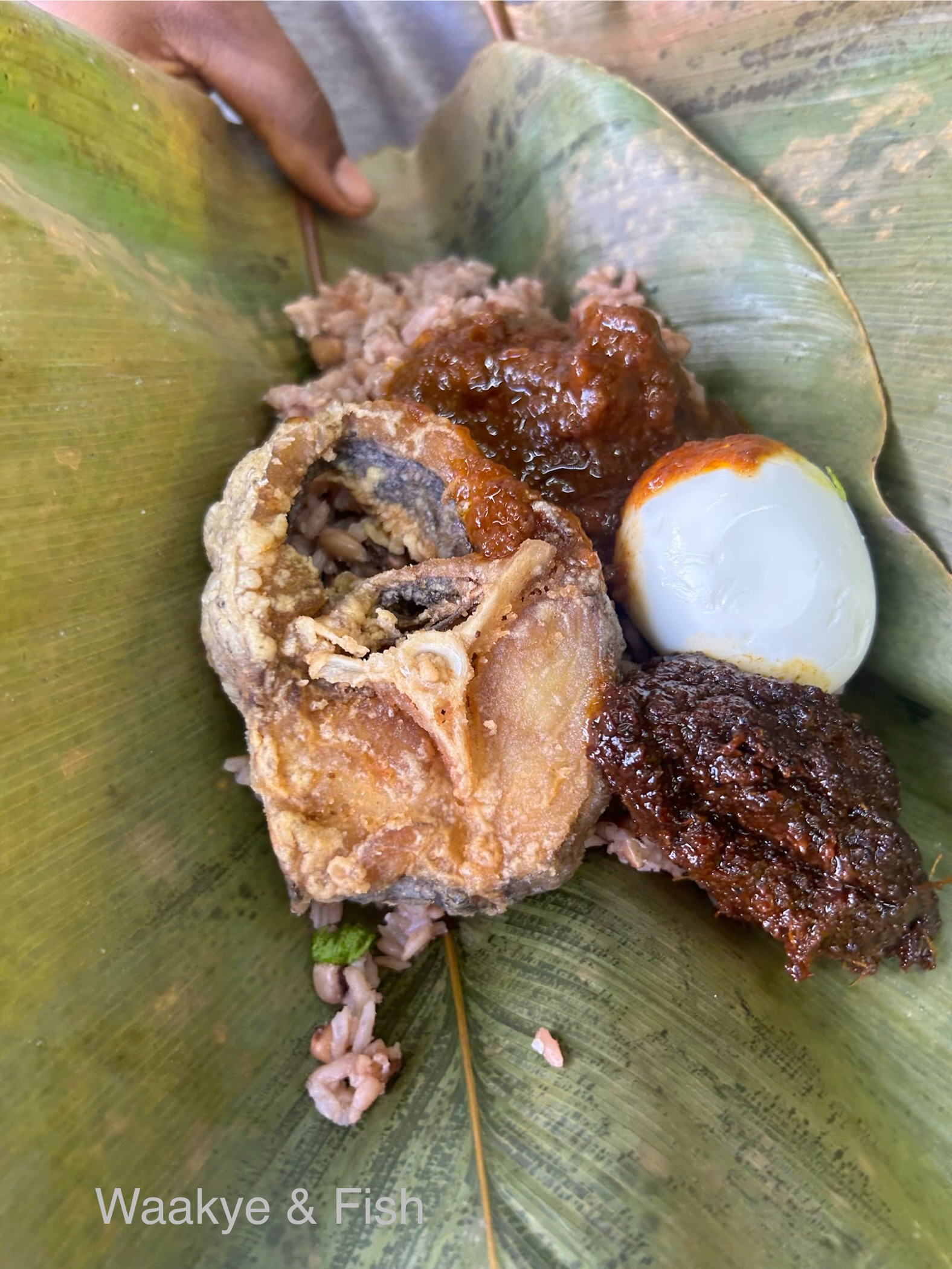
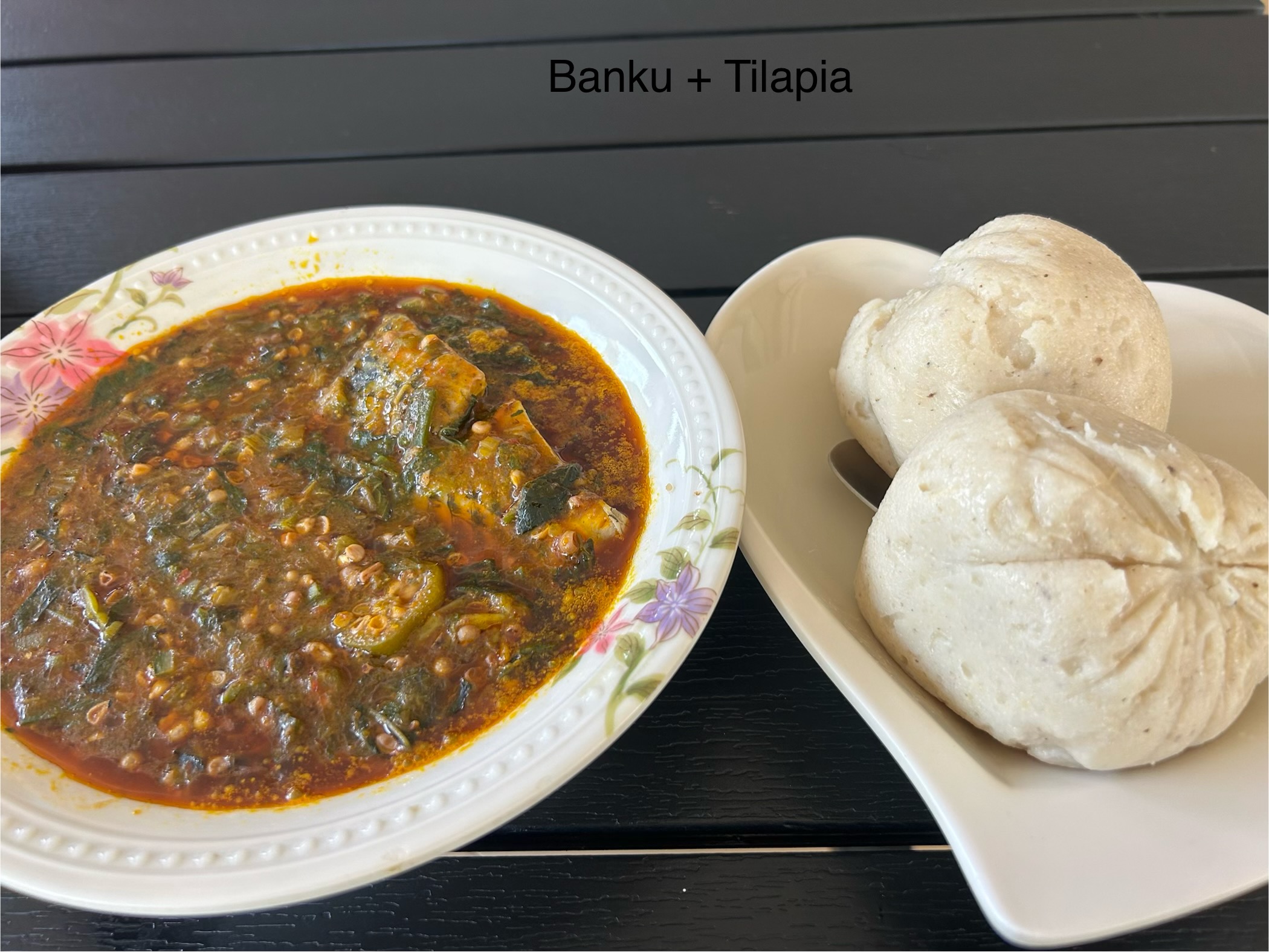
- Waakye (WAA-CHE) was everywhere in Ghana, rice and beans wrapped in banana leaf with spice sauces, egg and protein. Jollof, of course, is a staple as well.
Day 1: Kwame Nkrumah Memorial and James Town tour
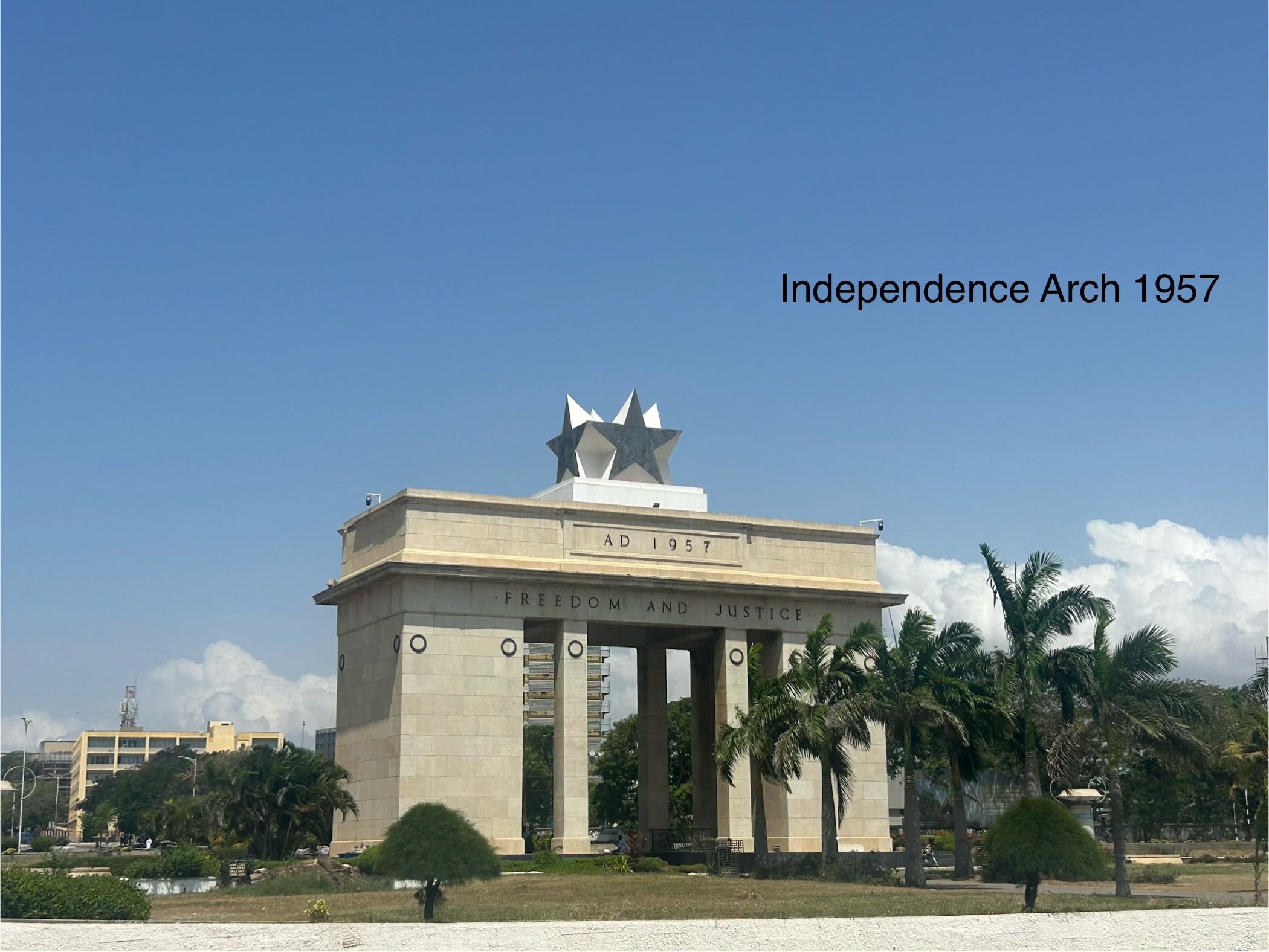
I checked into my Airbnb in Osu in the morning and walked down towards the independence square.
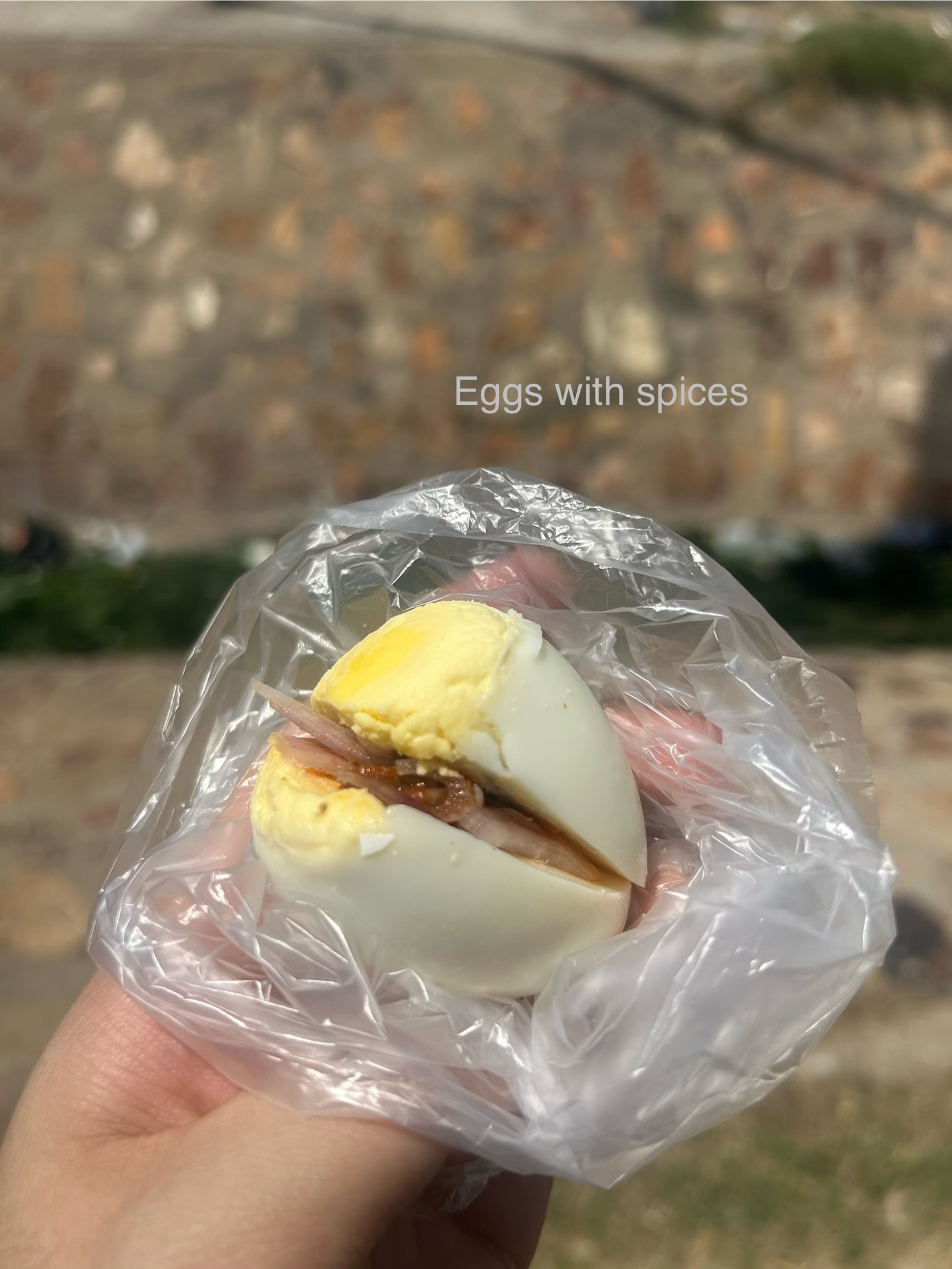
I had a boiled egg split with spices in the middle (a local snack) as well as a fried doughnut. Since I would be taking a walking tour the next day here, I decided to skip the attraction.
I walked some more towards the Kwame Nkrumah (first president) museum and Mausoleum. It is a big center, where I learned about KN’s time in Lincoln College, Pennsylvania US, then London, then Gold Coast, then president of Ghana 1957, before being exiled in Guinea after a coup.
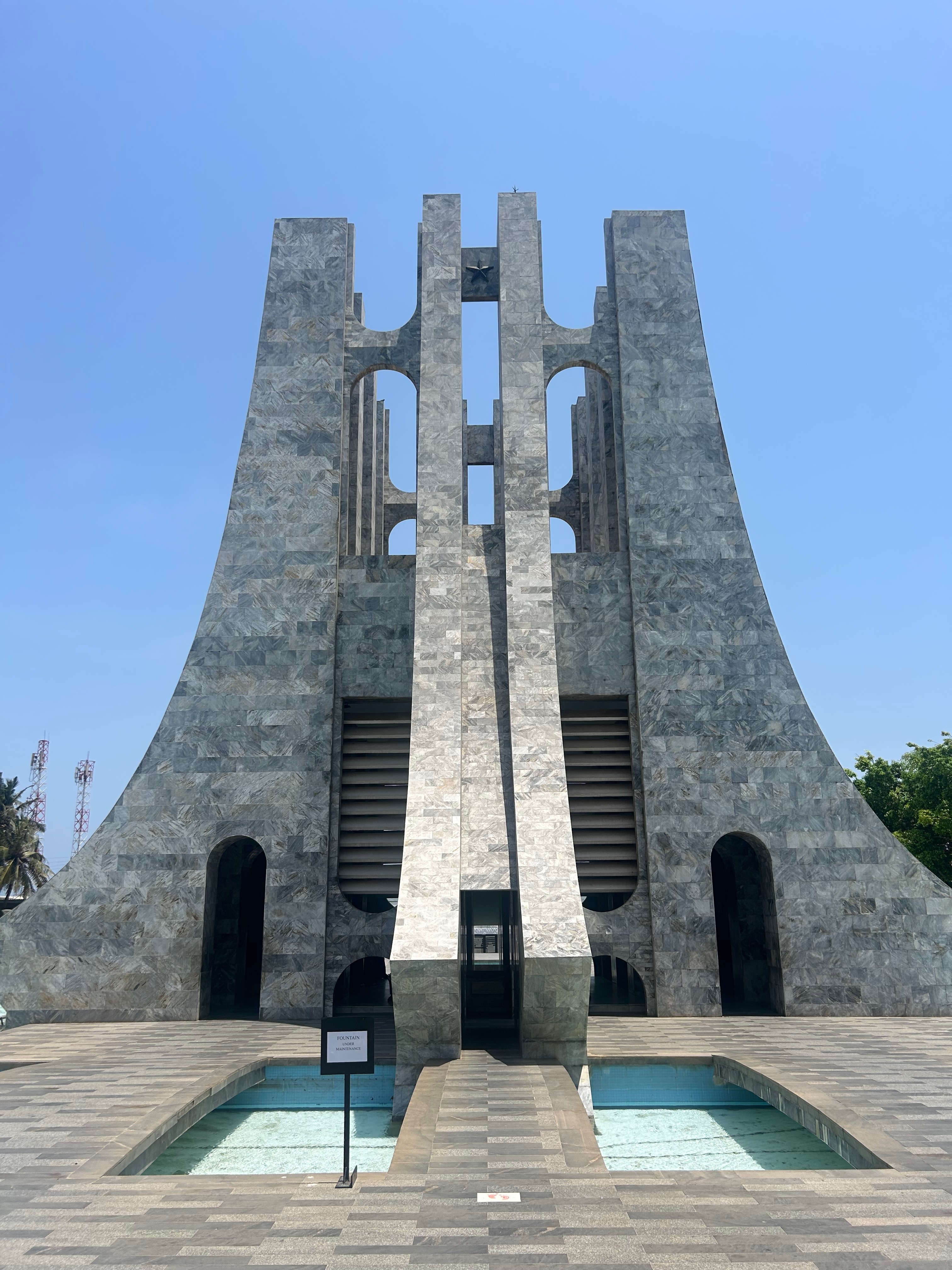
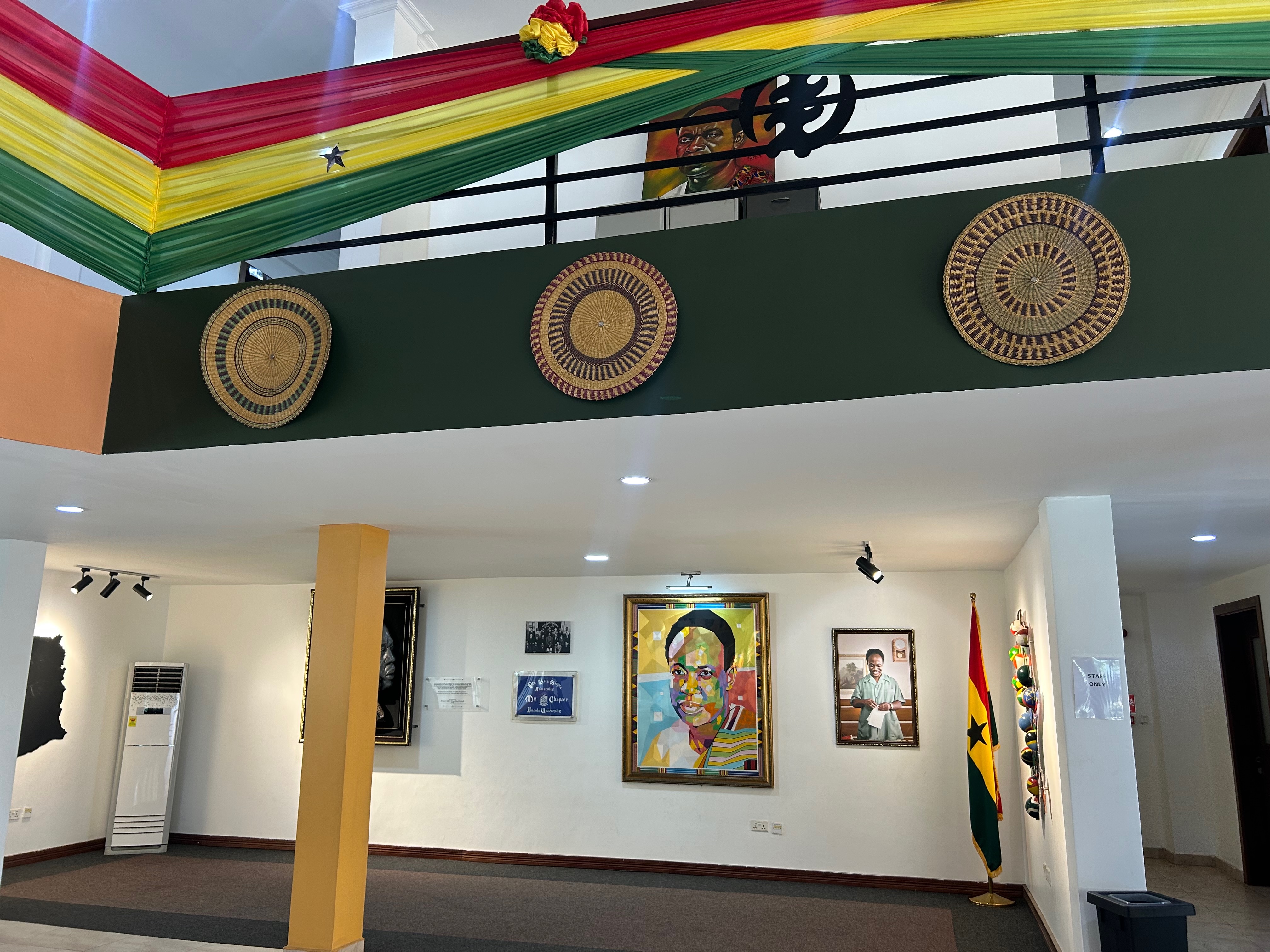
The mausoleum was iconic with his tomb in the center. There was an underground section to learn more about his life and ideology as a pan-Africanist. He will undoubtedly be remembered by history for the movement that he helped create.
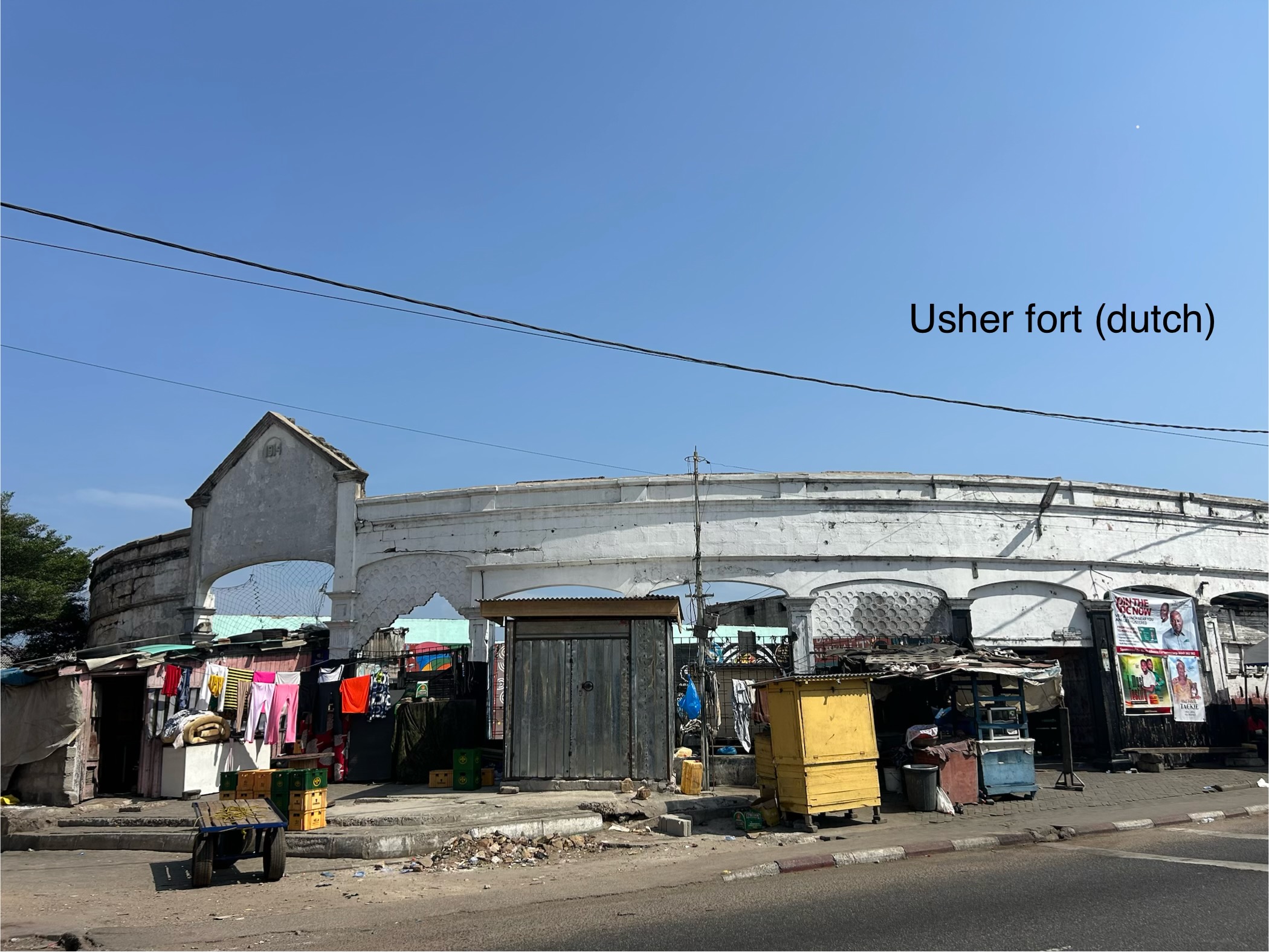
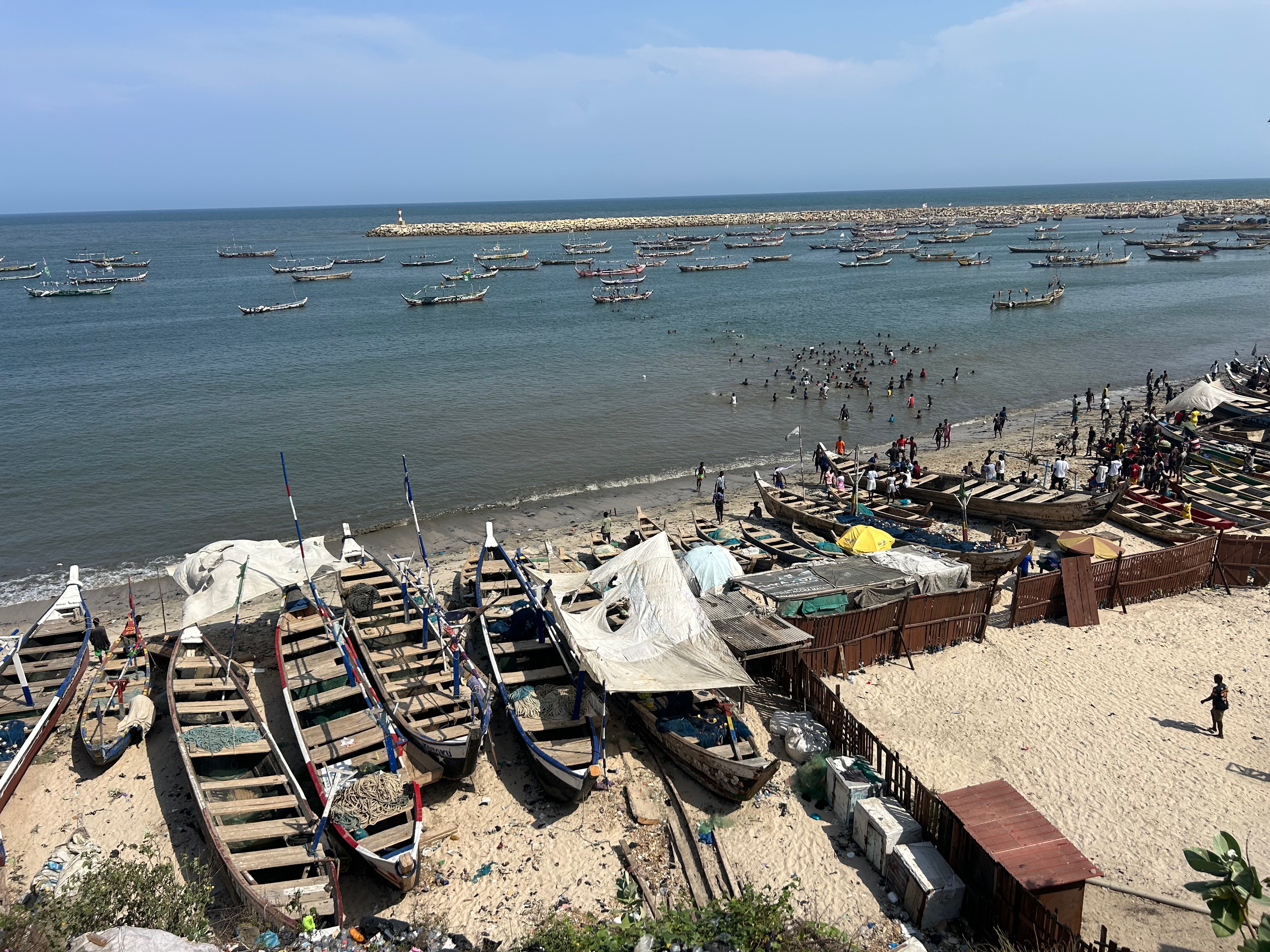
In the afternoon, I followed Emanuel for my walking tour in Jamestown. He explained to me in detail the history of Dutch vs. English Accra (now Jamestown). I learned about its colonial history, the clans as well as the local Ga people’s culture (as opposed to the Akan / Ashanti which are the vast majority of the country).
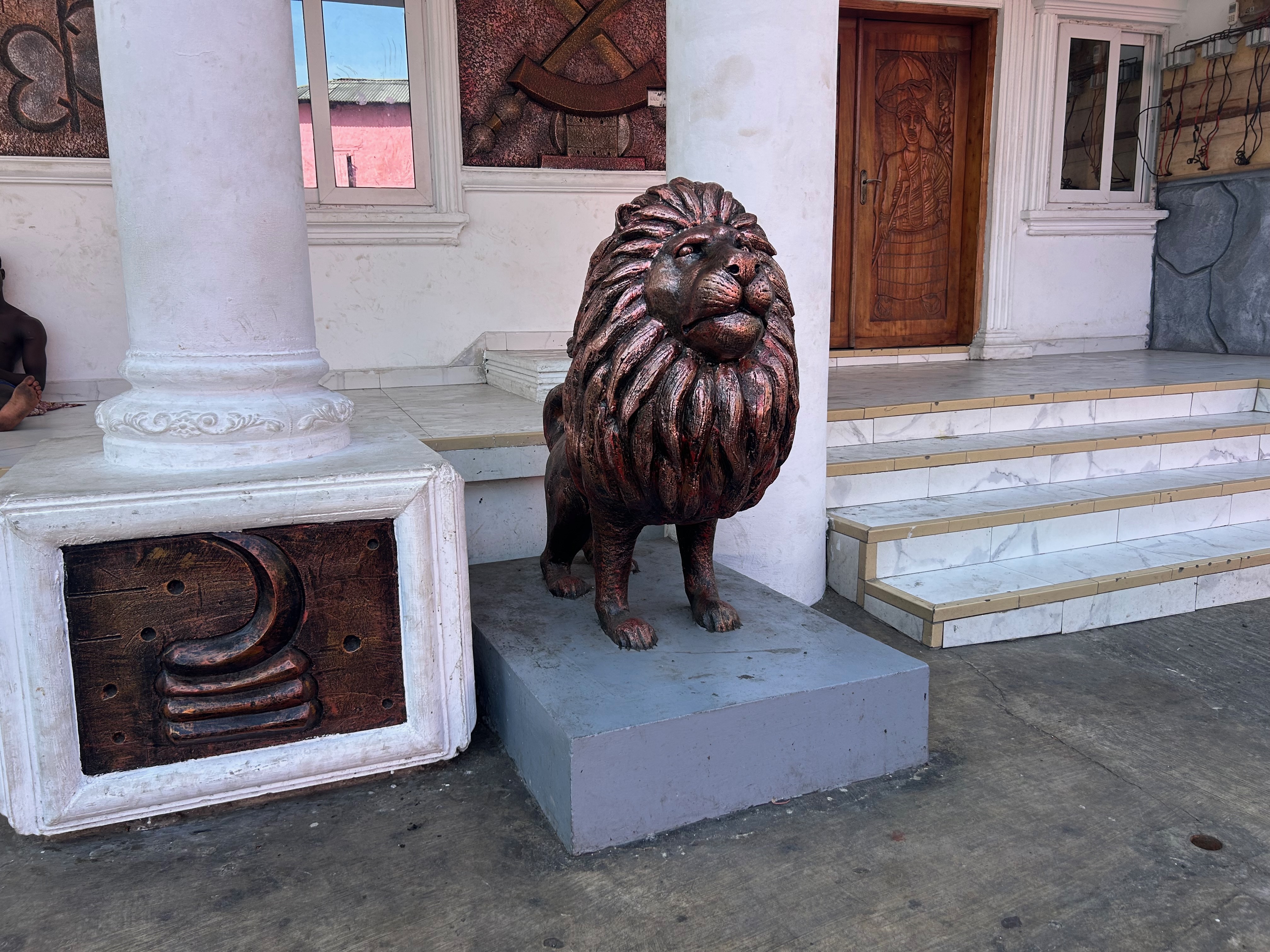
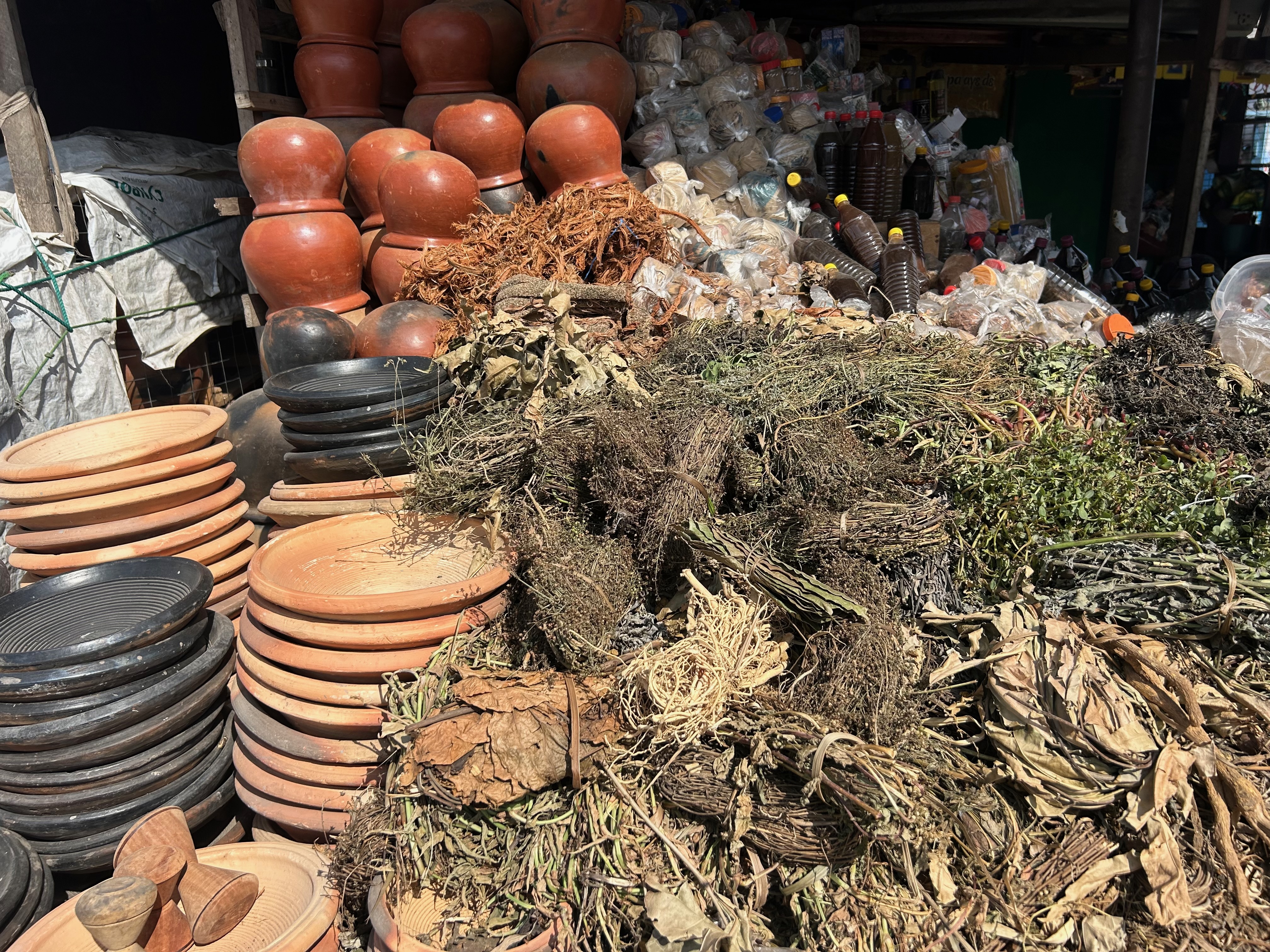 Left: Animals like lions and vultures adorn the clan kings’ houses. Right: Traditional medicine (similar to Chinese medicine)
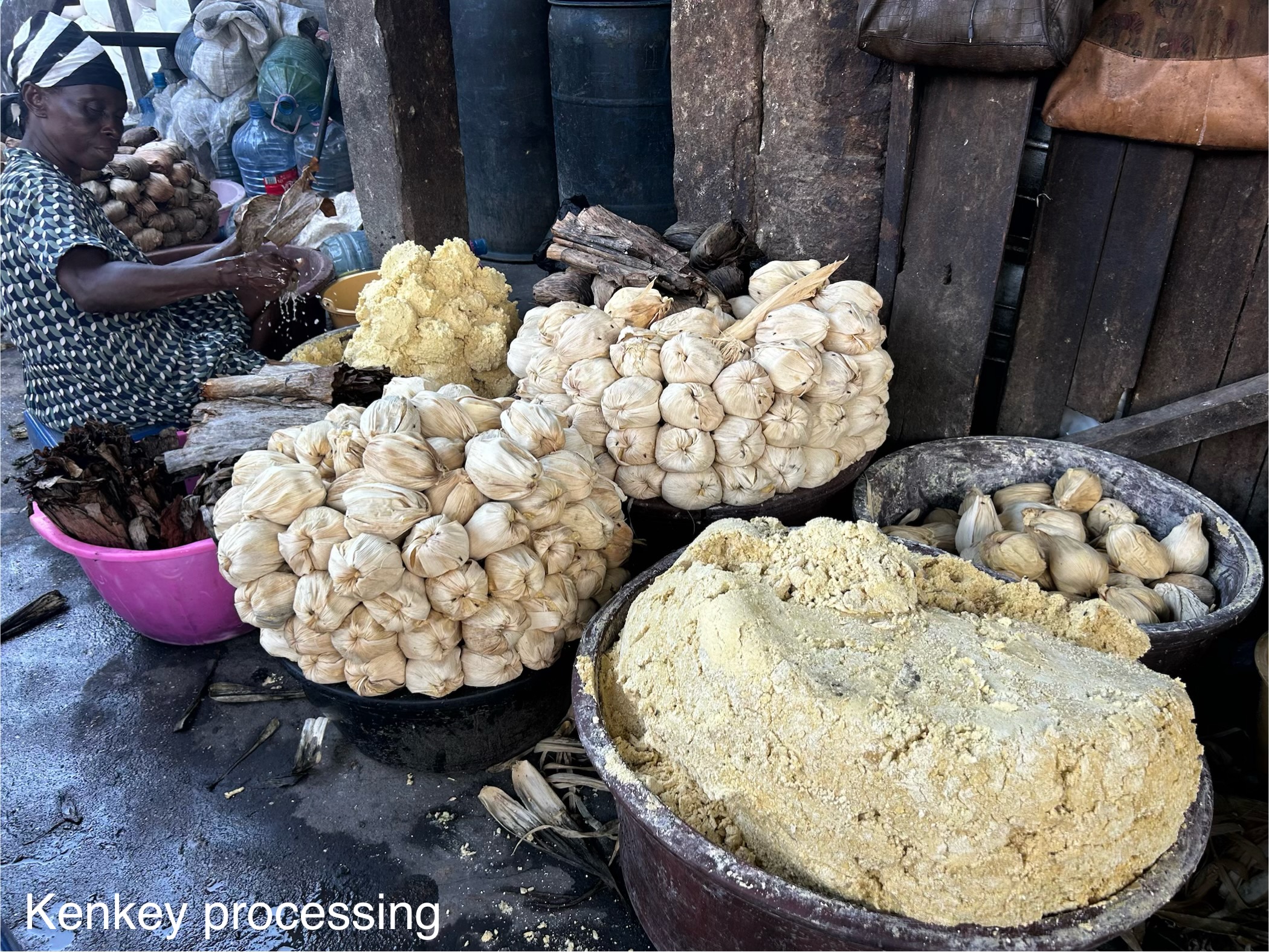
We walked through the Dutch portions first, which featured very narrow streets with children and adults doing chores outside. We walked into a kenkey preparation station (fermented corn), where a family of four prepared kenkey together.
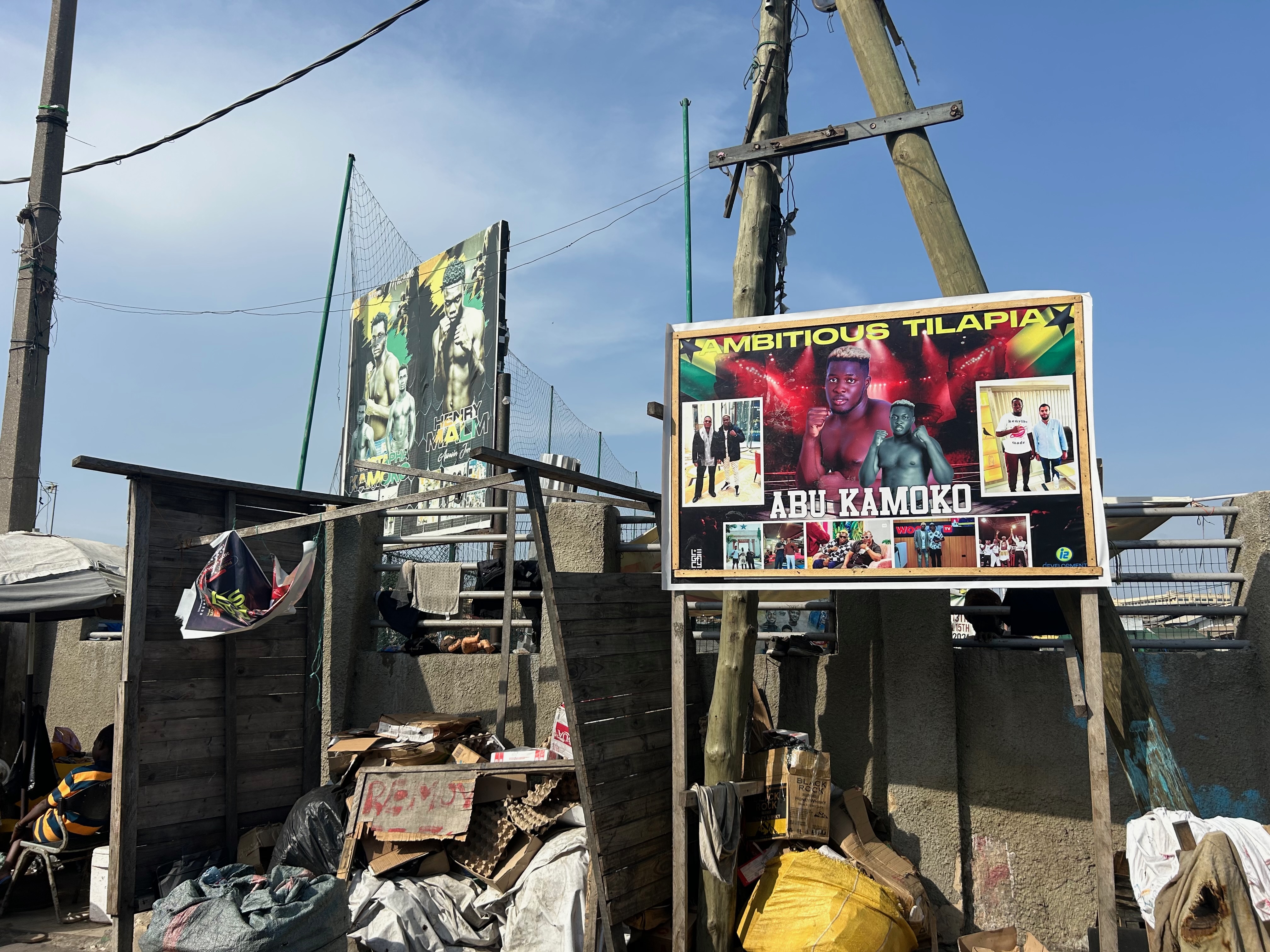 Right: Jamestown is known for producing strong Boxers, their posters with funny street names are everywhere
Emanuel and I walked through the English town, where the streets are much wider. We visited the door of no return here in Jamestown, where there is an underground bunker, with food fed through a tiny tube down to the cell.
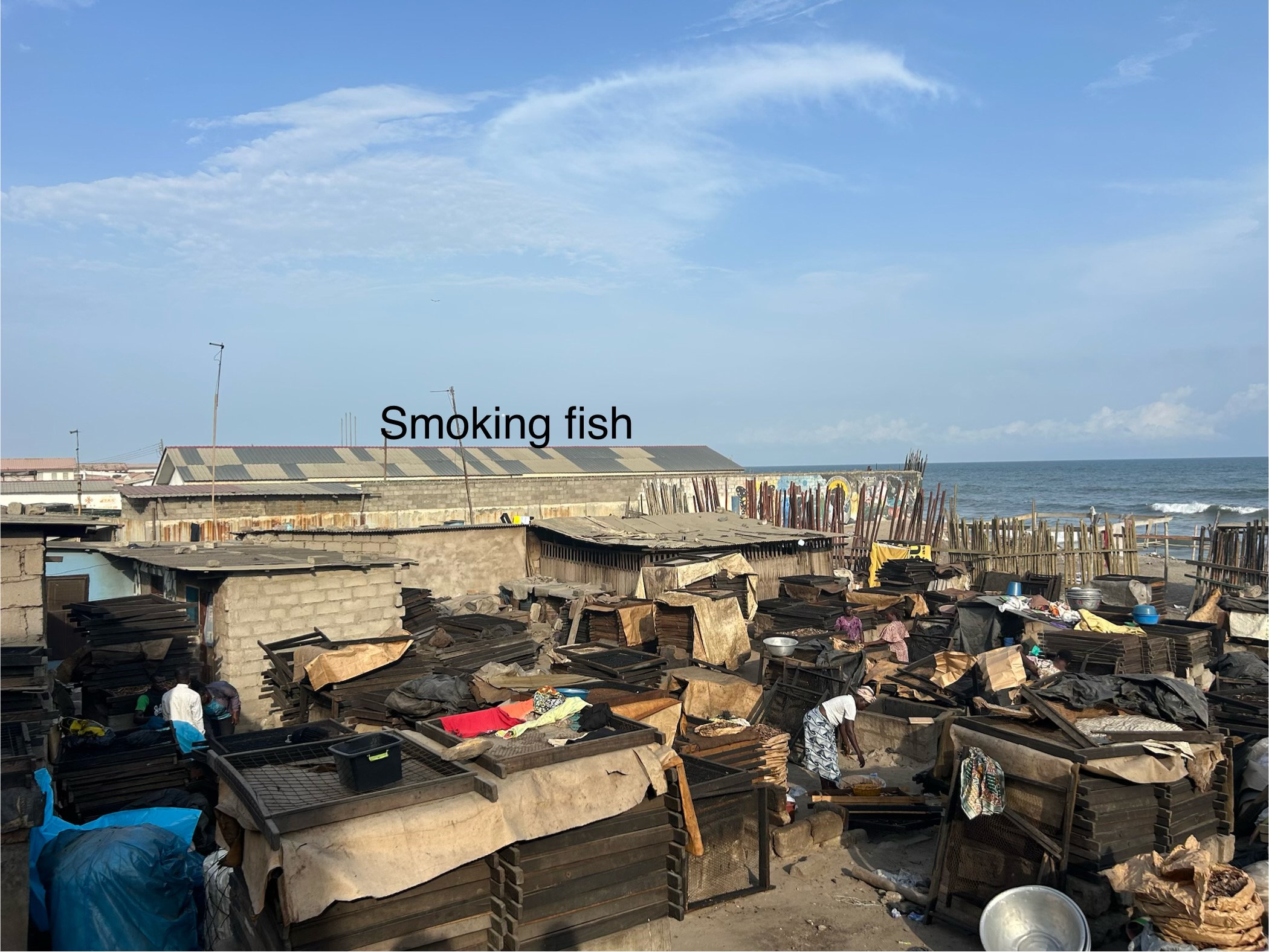
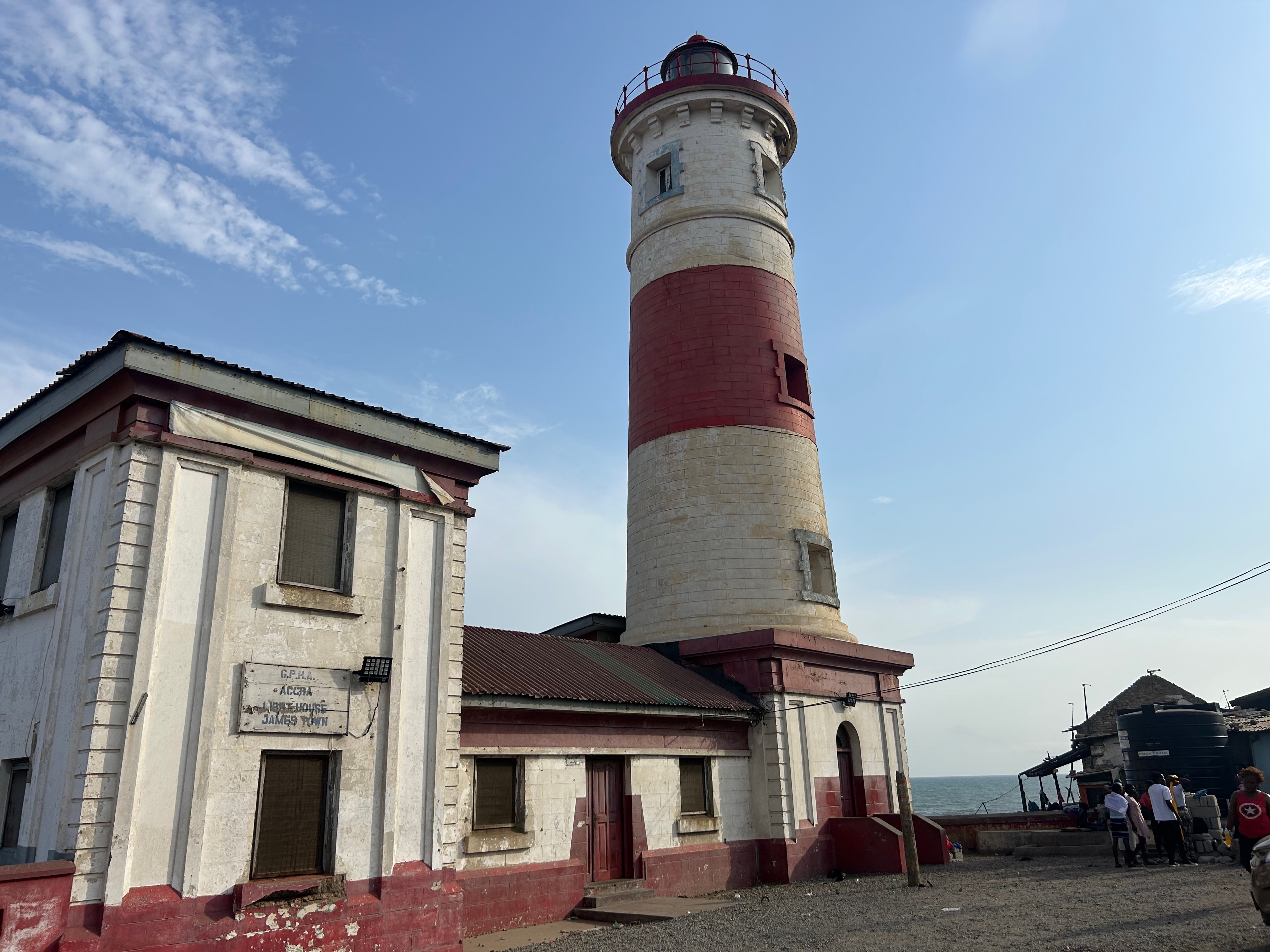
Our tour concluded when Emanuel showed me the women’s fish smoking station, as well as the lighthouses that guided these fishermen. He noted that the Chinese are now constructing markets and infrastructure for the locals, in exchange for access to some of the local resources.
I concluded my first day exhausted, but not before gulping down this waakye wrapped in banana leaves, as the locals enjoy it.
Day 2: Independence, Makola Market and Radio Station
My guide Edem texted me that he’d be 15 mins late. As I was scrolling my phone, Edem called out my name, as he got out of a car with the logo XYZ Radio station.
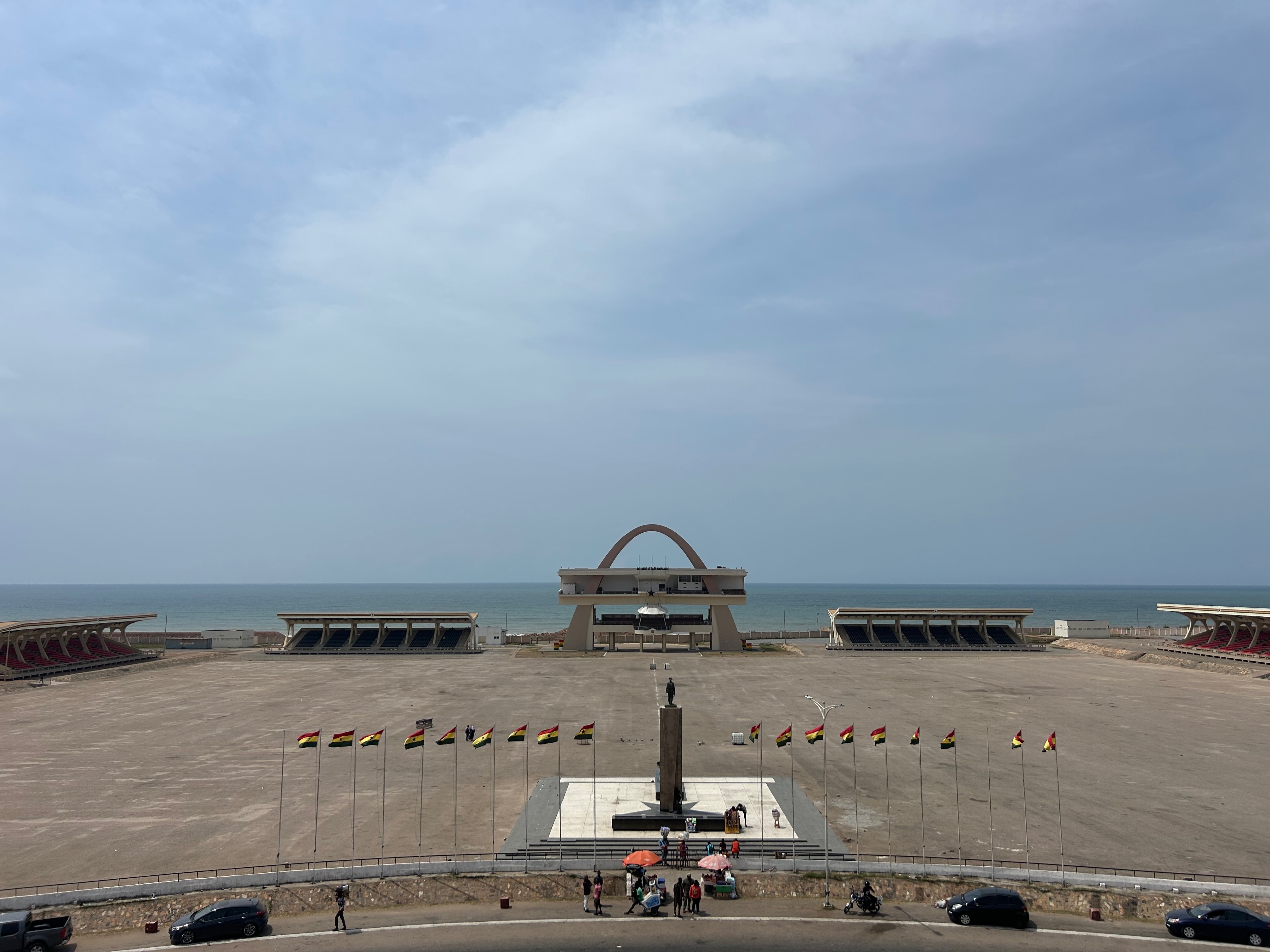
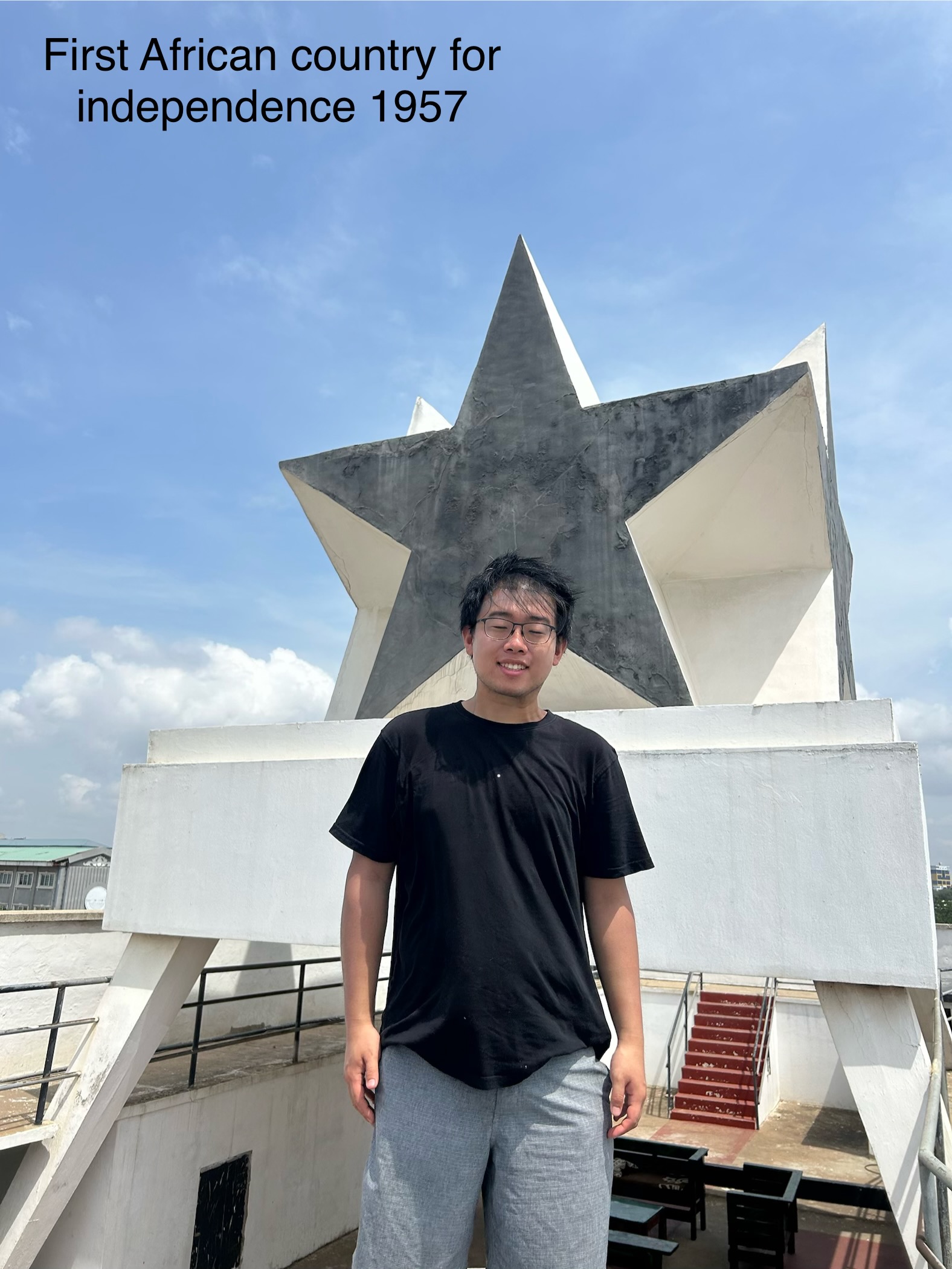
Our first stop was up the independence arch. We climbed to the top and he explained that Ghana was the only independent sub-Saharan African country. The people demanded their independence because they had fought in WWII, and the British ignored their promises afterwards. People got fed up and marched towards the British government situated at Osu Castle. There was a confrontation, which led to deaths and bloodshed at the very spot. We can clearly see the Independence / Black Star Square and the ocean beyond.
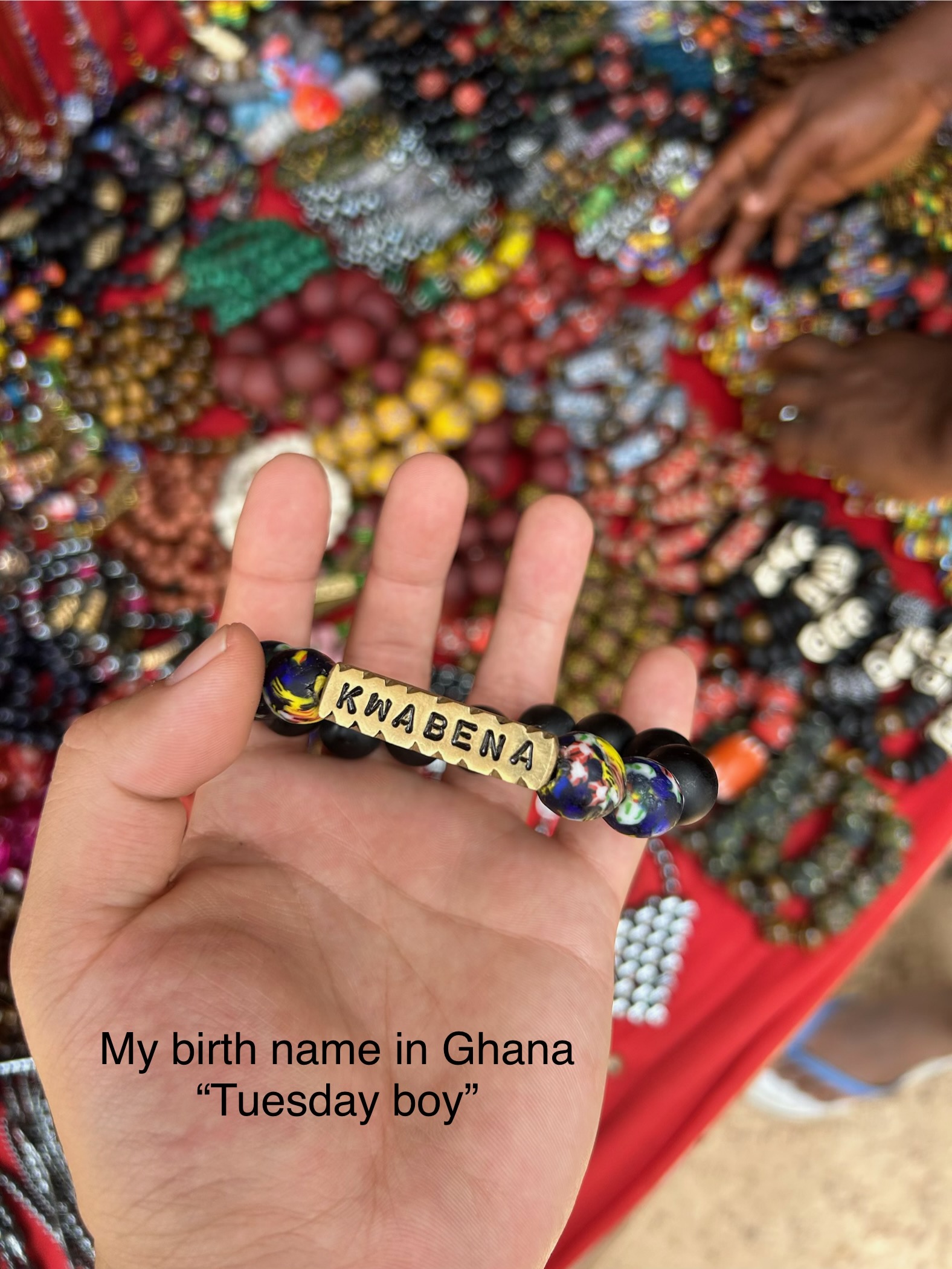
Beyond the independence square, he explained to me the hieroglyphics that were on top of buildings, which were symbols of the clans of the Akan people. Edem also told me that I needed a Ghanaian name. In Ghana, children have many names like “{English Name} {Native name} {DoW birth name} {Last name}”. And that depending on the gender and day of the week, anyone born automatically has a name. Mine is Kwabena.
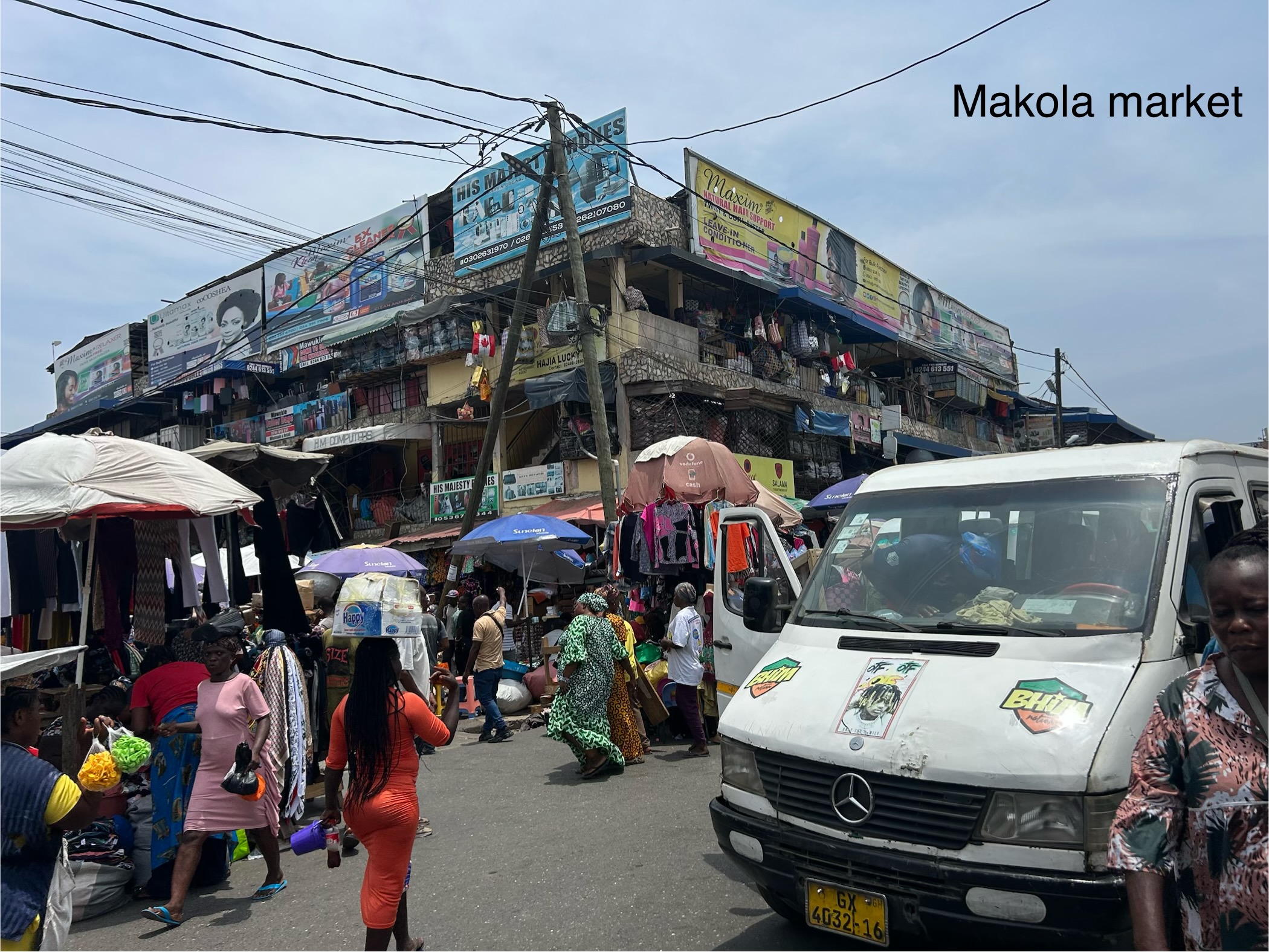
We then toured the Makola market, which is sprawling across multiple blocks and busy even on a holiday.
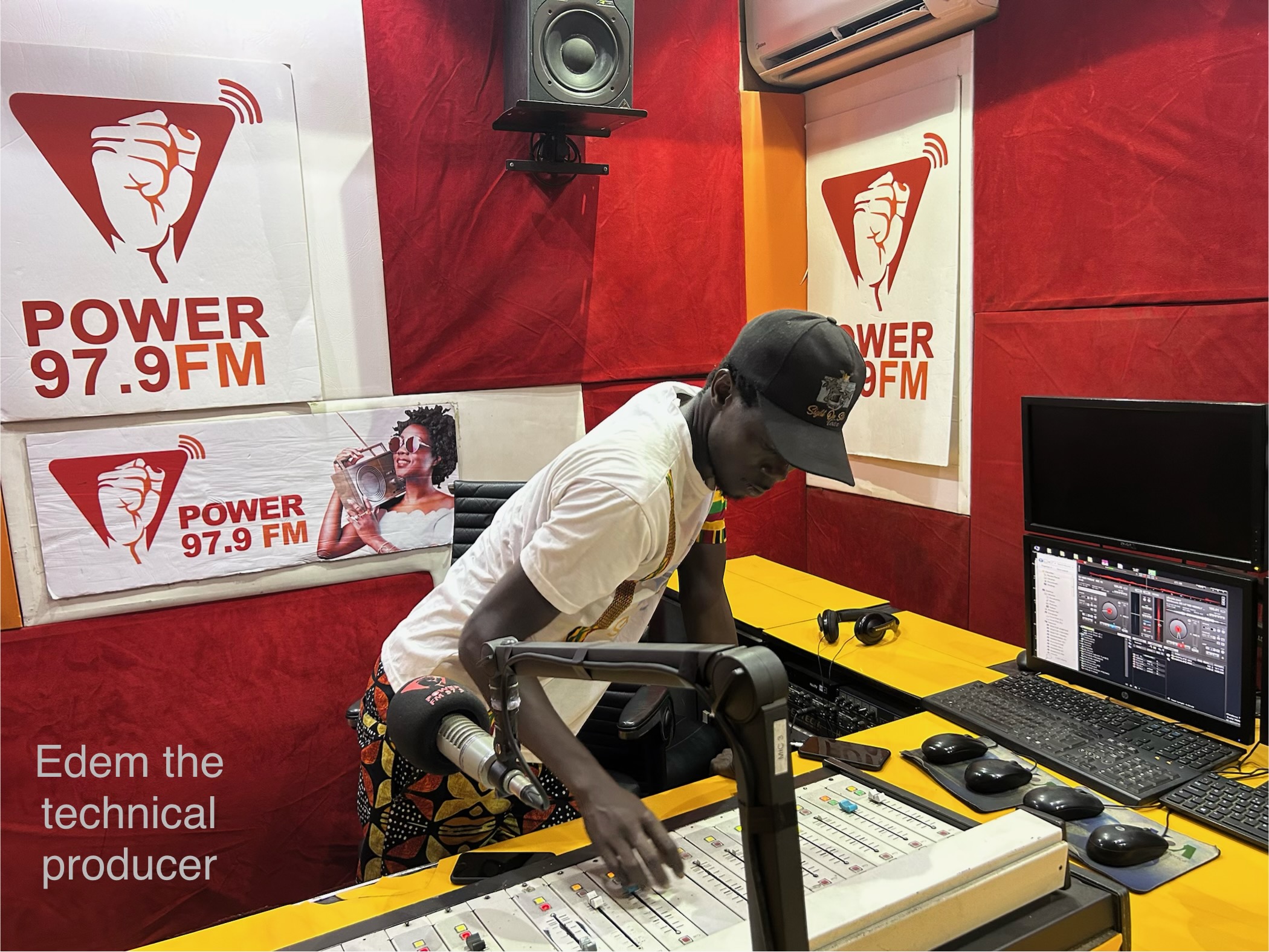
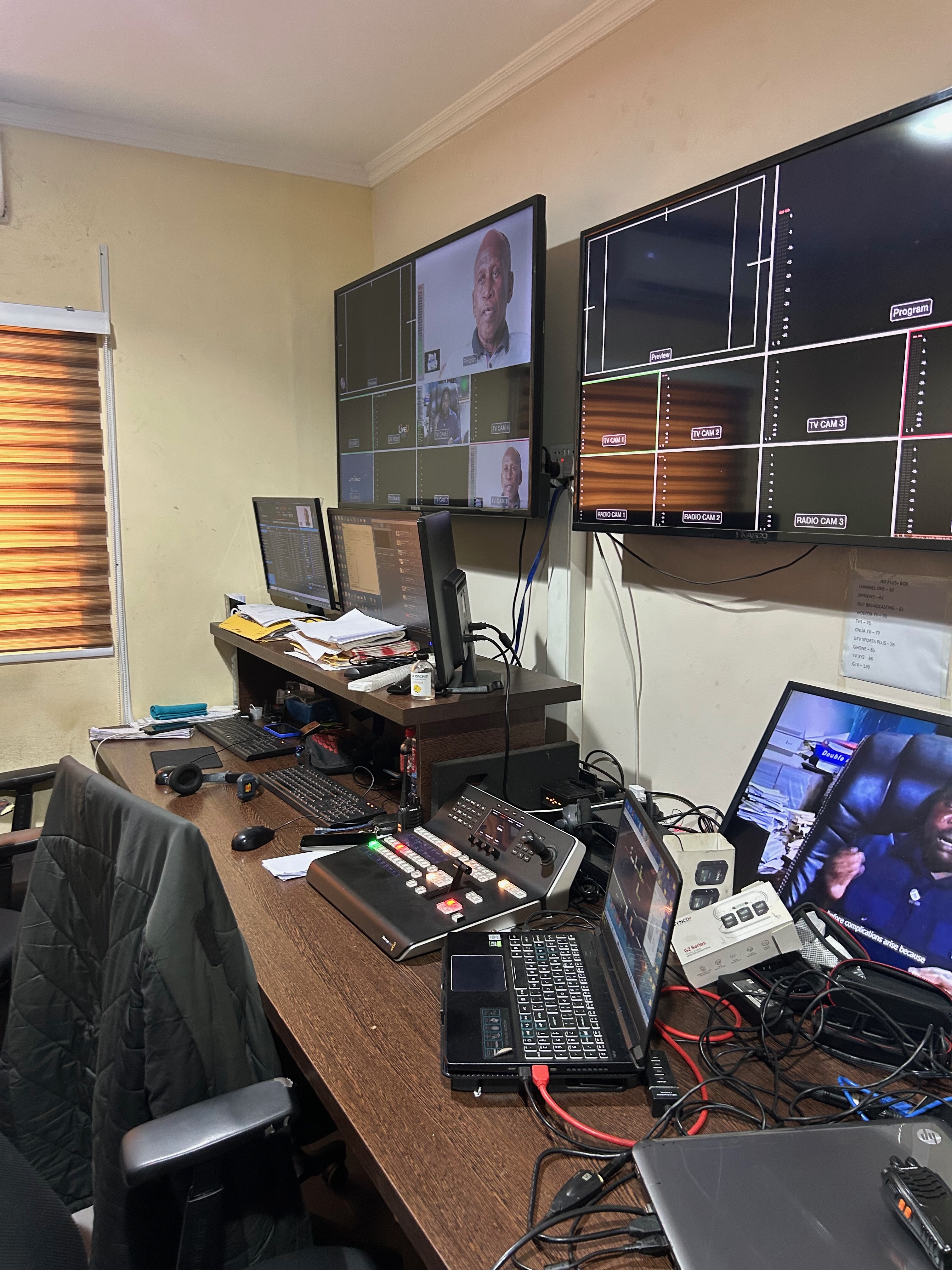
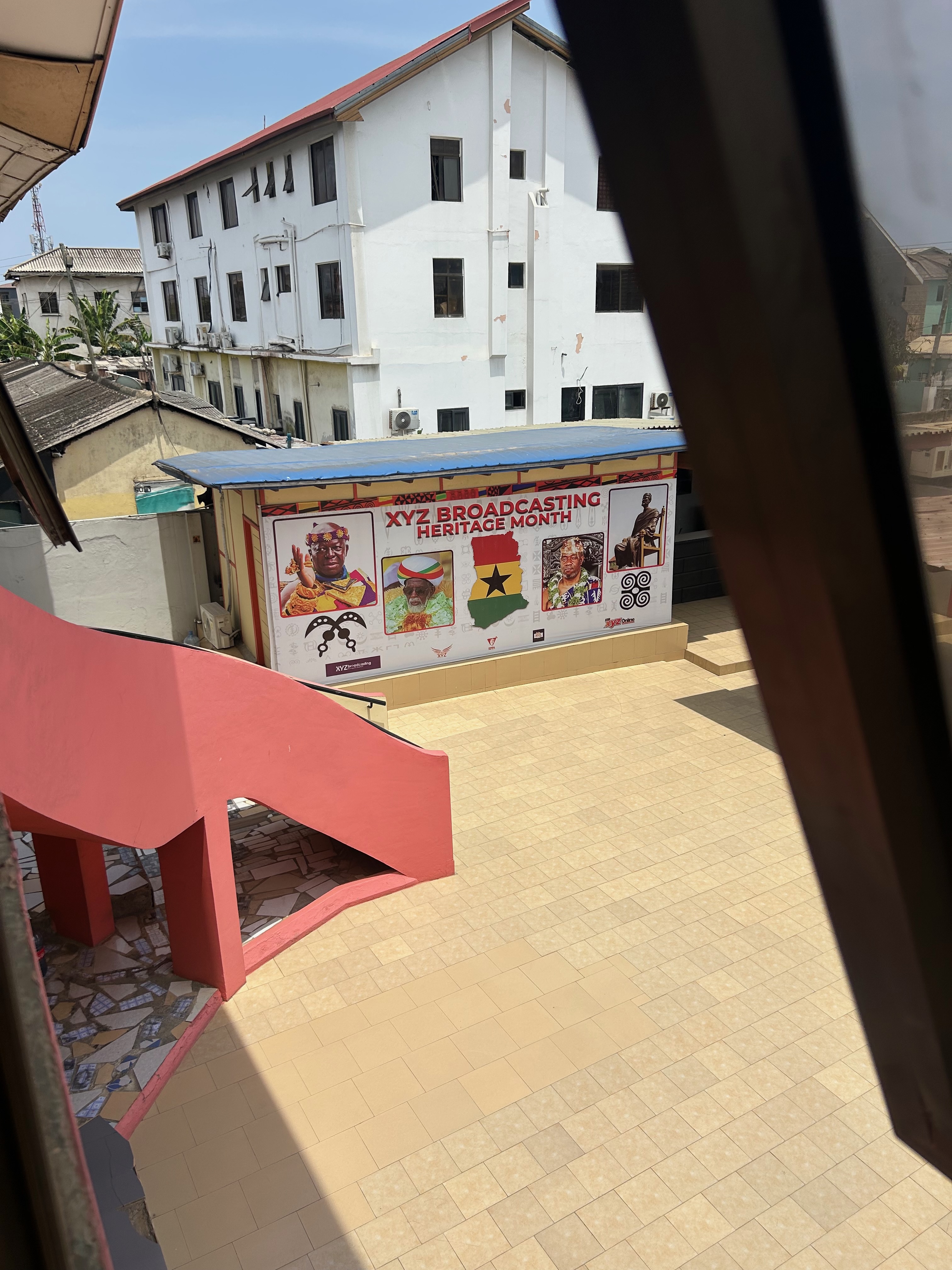
The last stop of our tour was at the radio station where Edem works as a technical producer. There are 2 Radio and 1 TV stations here. Edem guided me through various rooms and studios where folks were working. I had an opportunity to meet a local news anchor lady, as well as Edem’s manager. What a cool experience!
Day 3: Fish Market, Museum and Osu Castle
I started my day at the Ababraka Fish Market. There were so many women here selling smoked dried fish of all kinds. The fish were twisted into ball shapes (hardened), usually in black or dark brown colors. There was no refrigeration, and this type of processing is how fish is sold.
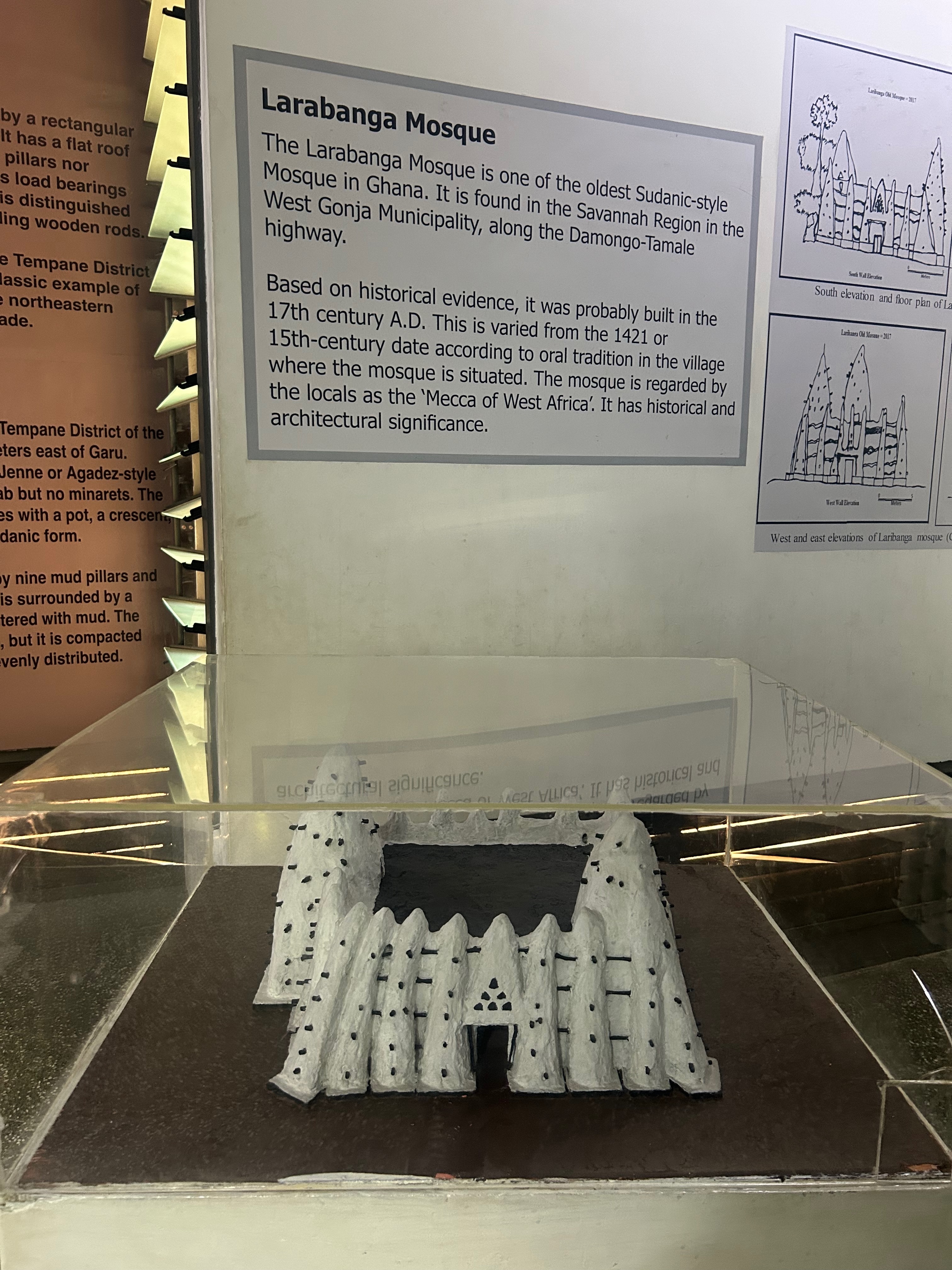
Northern Ghana (was part of the sub-Saharan trade routes) is majority Muslim.
I then made my way to the national museum, which contained great information about the various tribes (Ga, Akan, etc.), minerals and displays.
Osu Castle was my next destination. A tour guide took me and an older African American gentleman around the castle. Osu (Christiansberg) Castle is not huge. It was a trading post for Denmark for most of its history, with stints being occupied by the Spanish, local tribe and lastly the English. This was the administrative center of Gold Coast, and Ghana until recently.
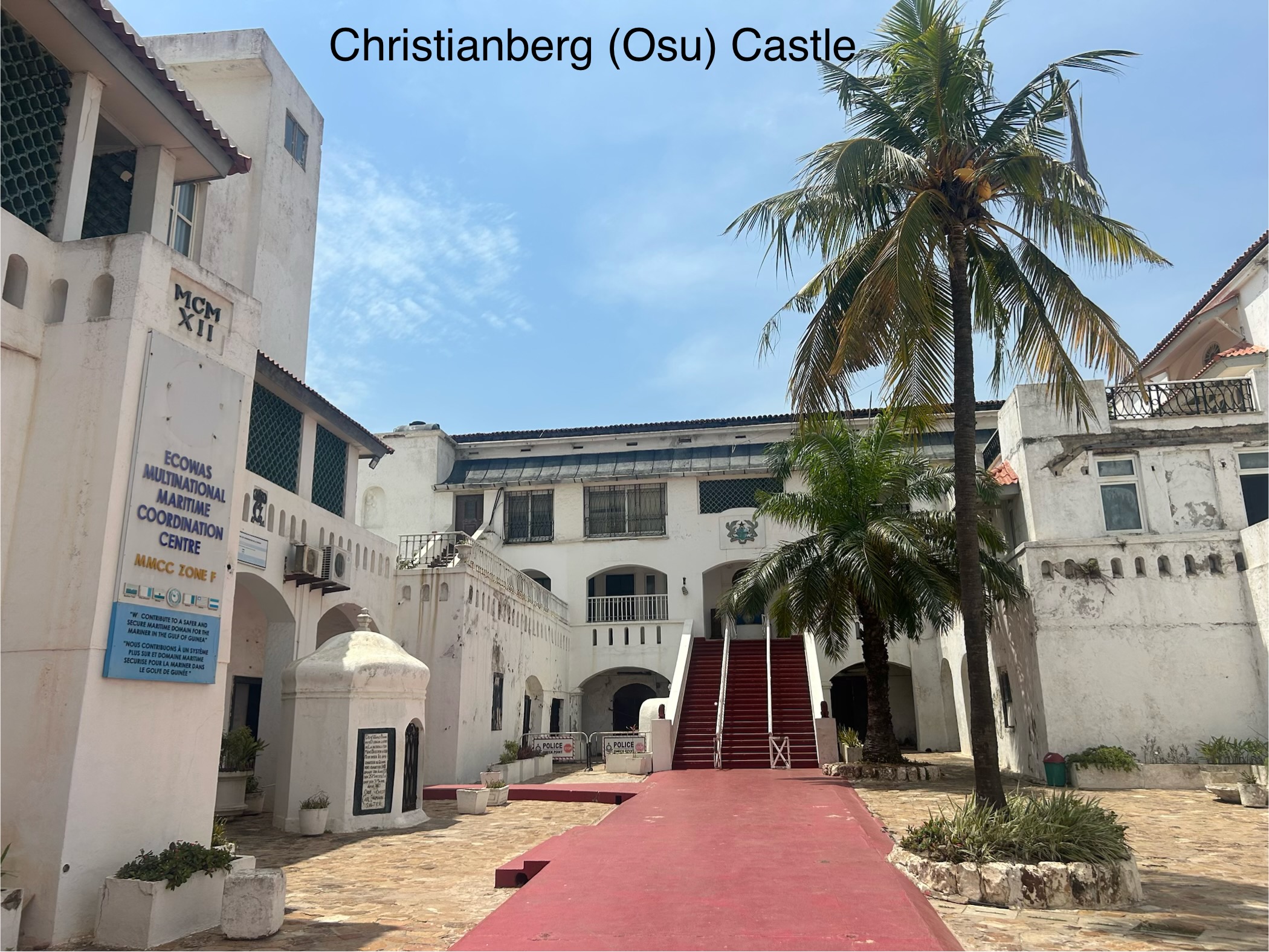
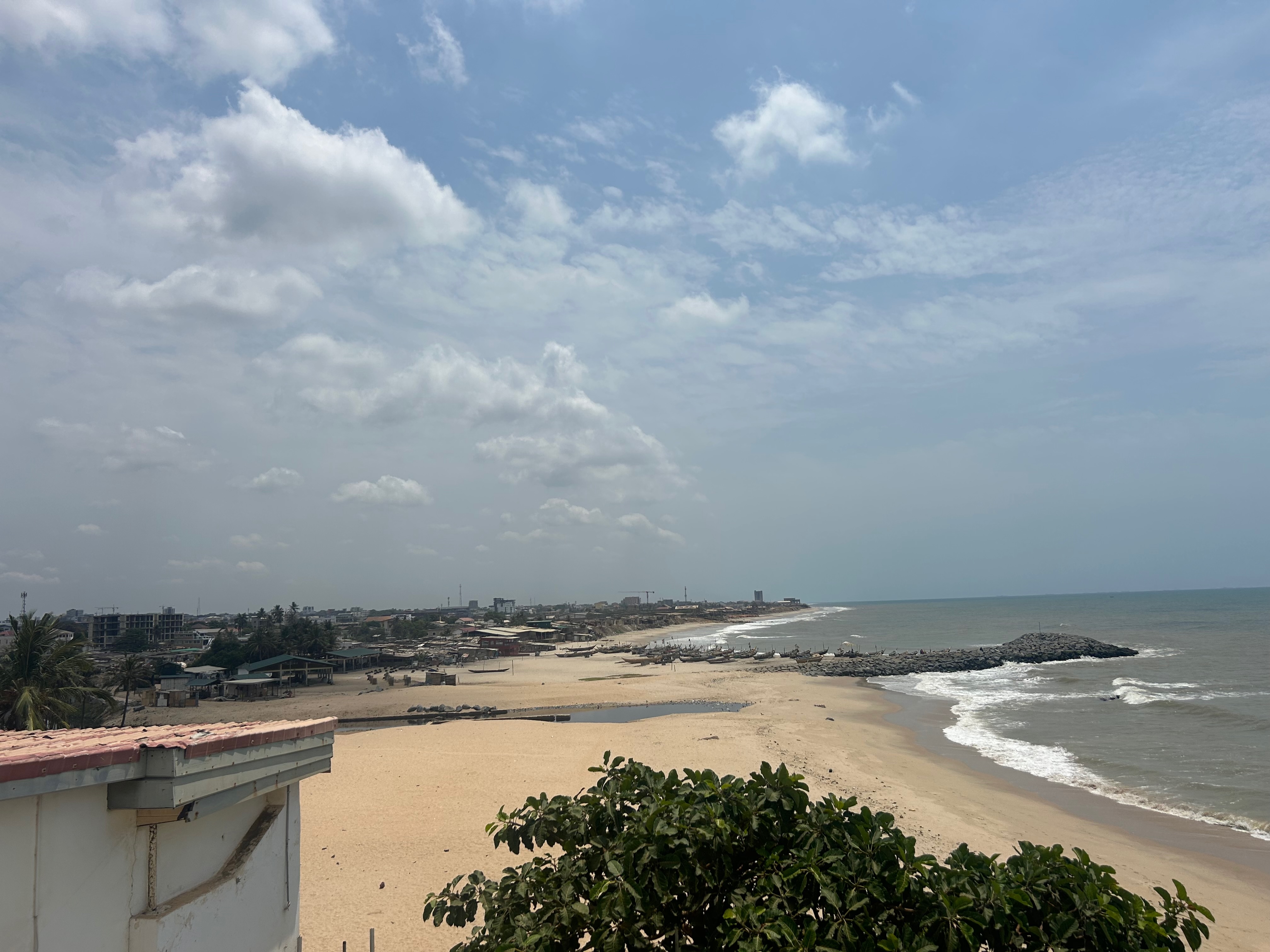
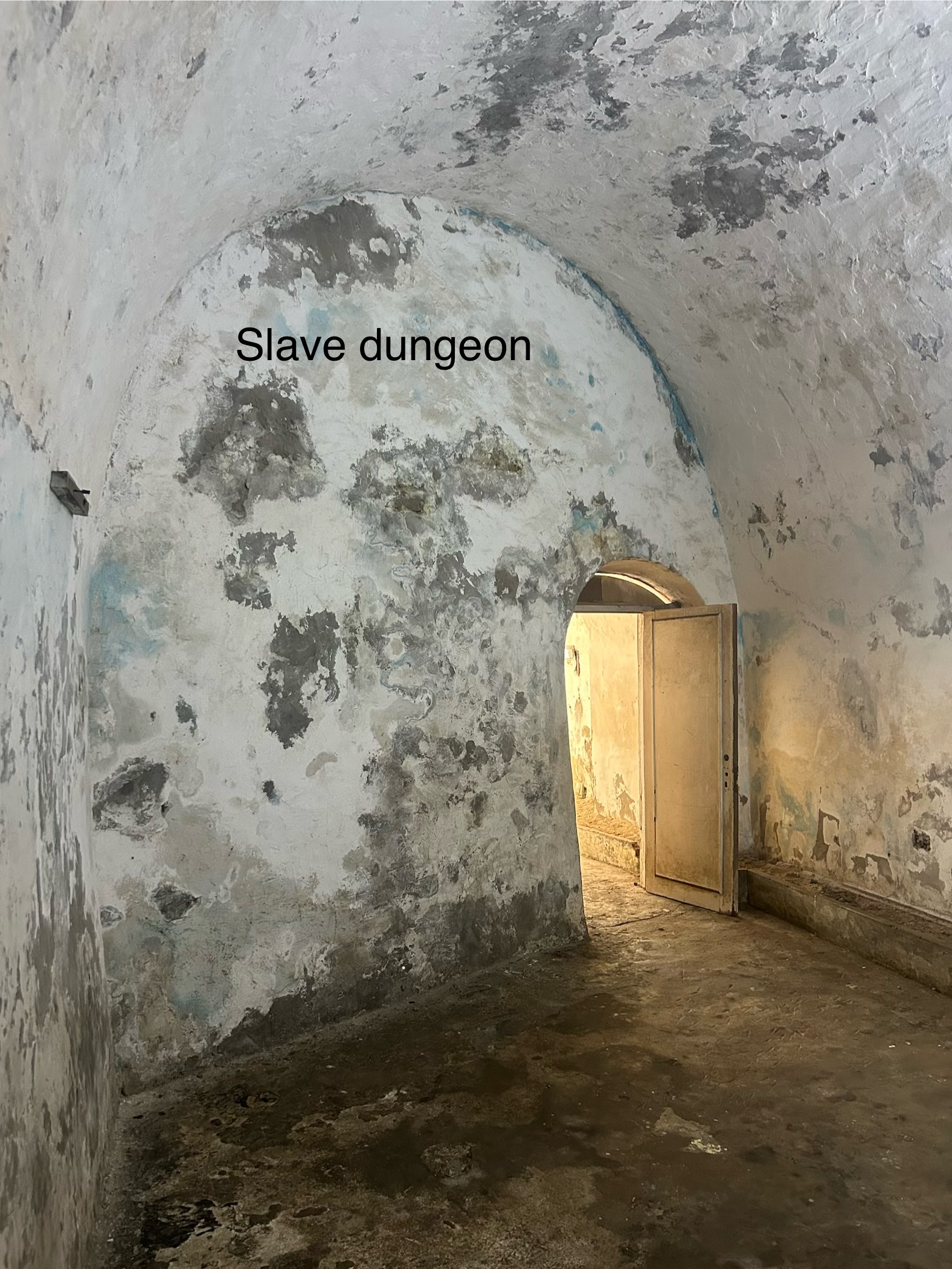
It started as a trading post in 1619, but later involved slave trade as the West Indies Danish colonies needed slaves in the Caribbean. Our guide took us to the slave rooms, the church built by the Portuguese during their 4-year occupation. There was also a native governor who took control of the castle for 1 year.
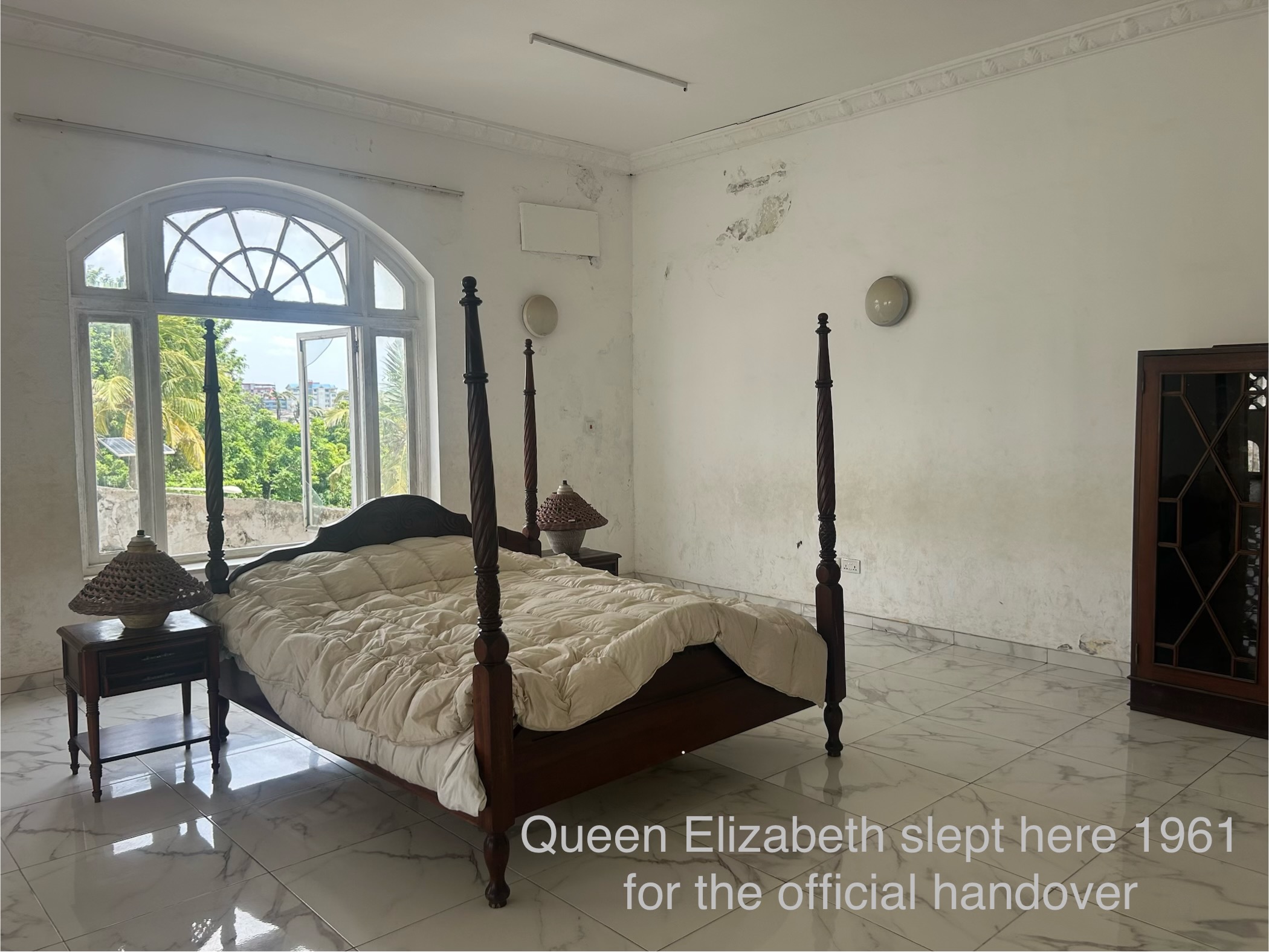
We toured the historical rooms: the Queen’s room, where Queen Elizabeth II stayed for the official recognition of Ghana in 1960. We toured the Catholic church built by the Spanish during their brief reign, later converted by a Ghanaian president into a prayer room. We also visited the room of another leader of Ghana, who came to power through a coup, but won an election, as the 1st president of the 4th republic.
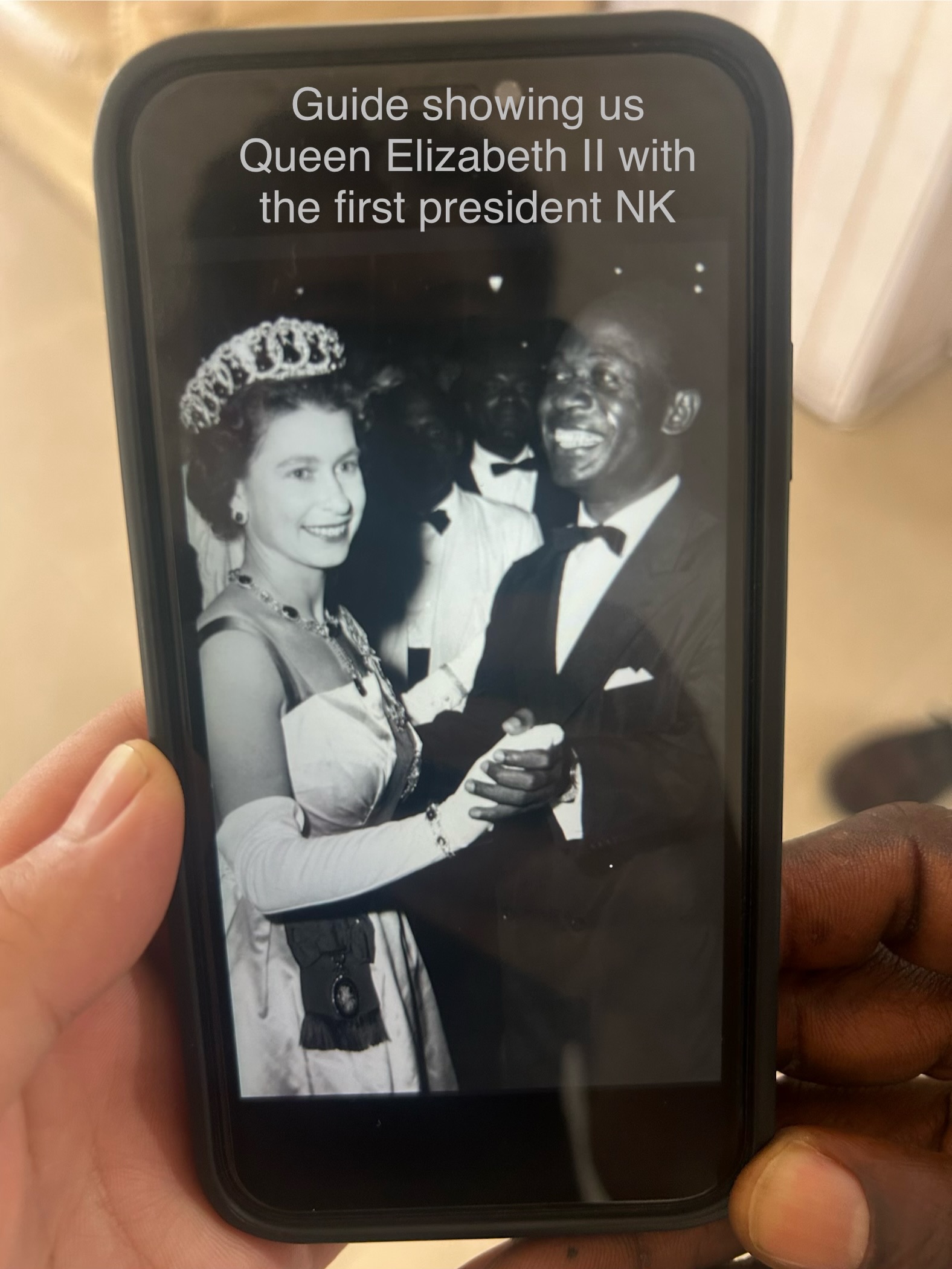
As we walked down the Door of No Return, the black gentleman on the tour with me from Atlanta asked for some time alone to visit the Ocean. He walked up to the ocean and splashed some water as part of his spiritual diaspora journey. He and I chatted that he is going to a conference tomorrow and was just in Accra for a day.
I met the gentleman again at Cape Coast castle on my last day in Ghana. We said our hellos. He was done with the conference and now enjoying himself.
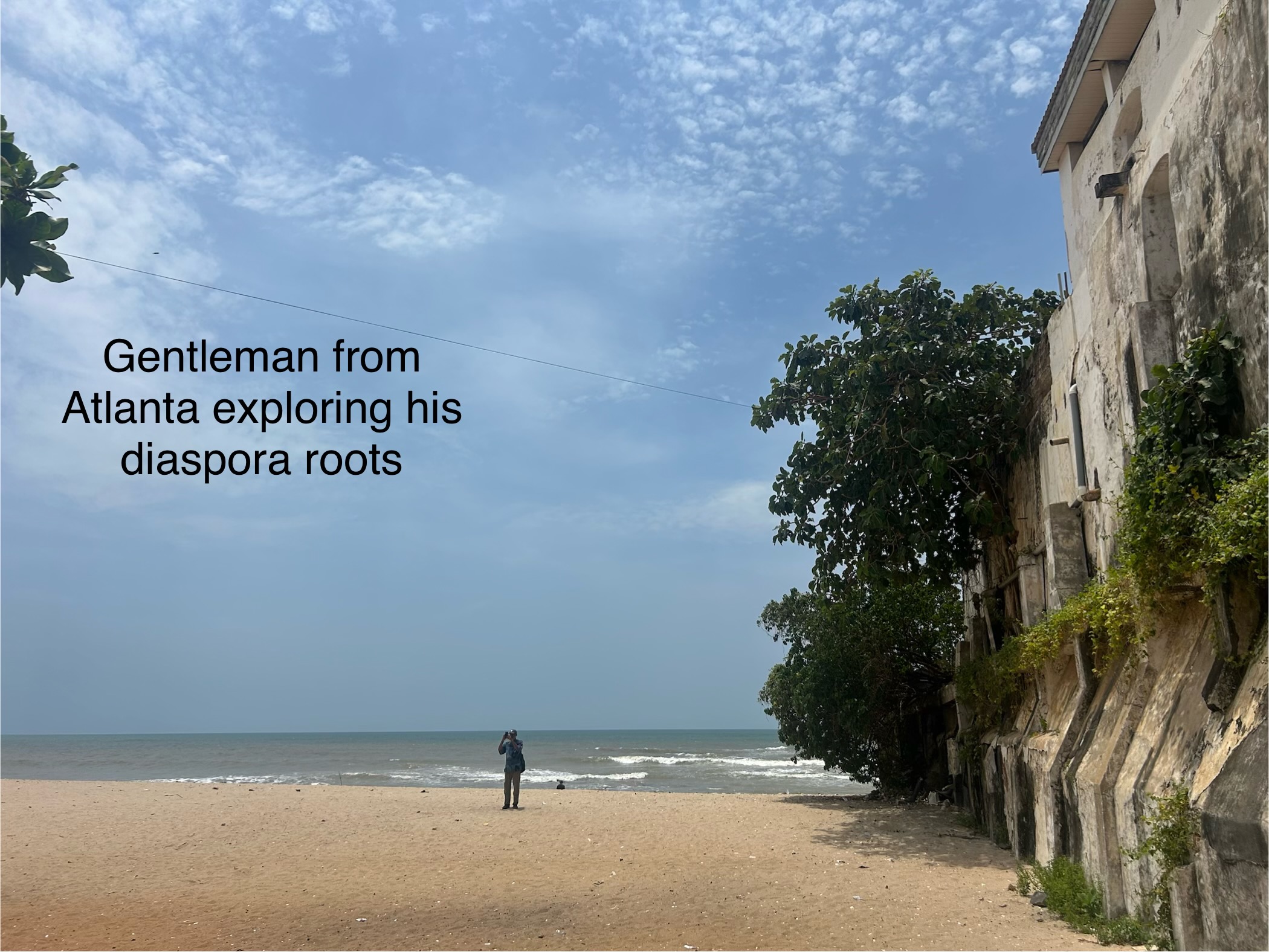
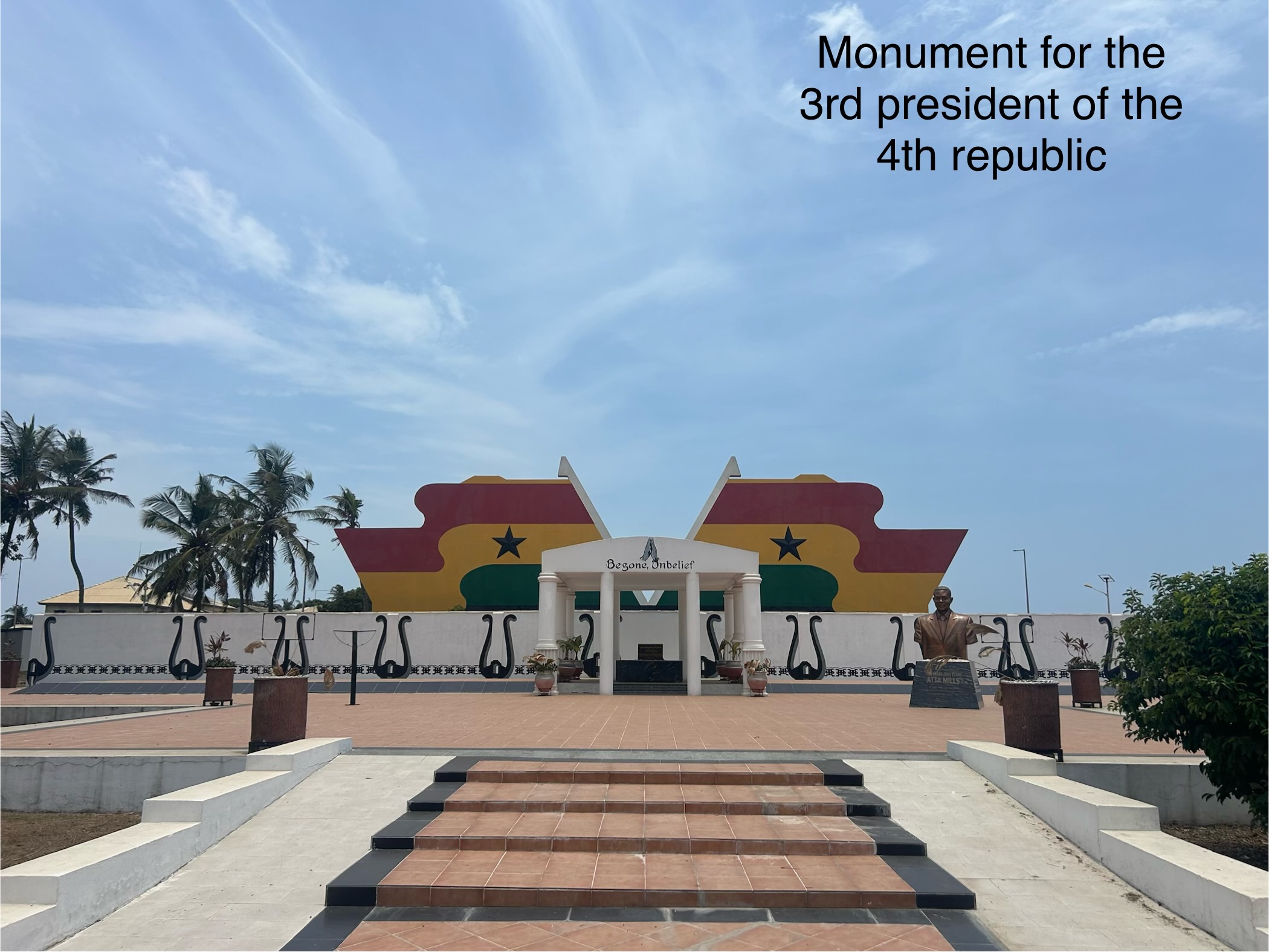
Afterwards, I toured the monument for the 3rd president of the 4th republic who passed in 2012. I then got a haircut — my first in almost 3 months in Africa.
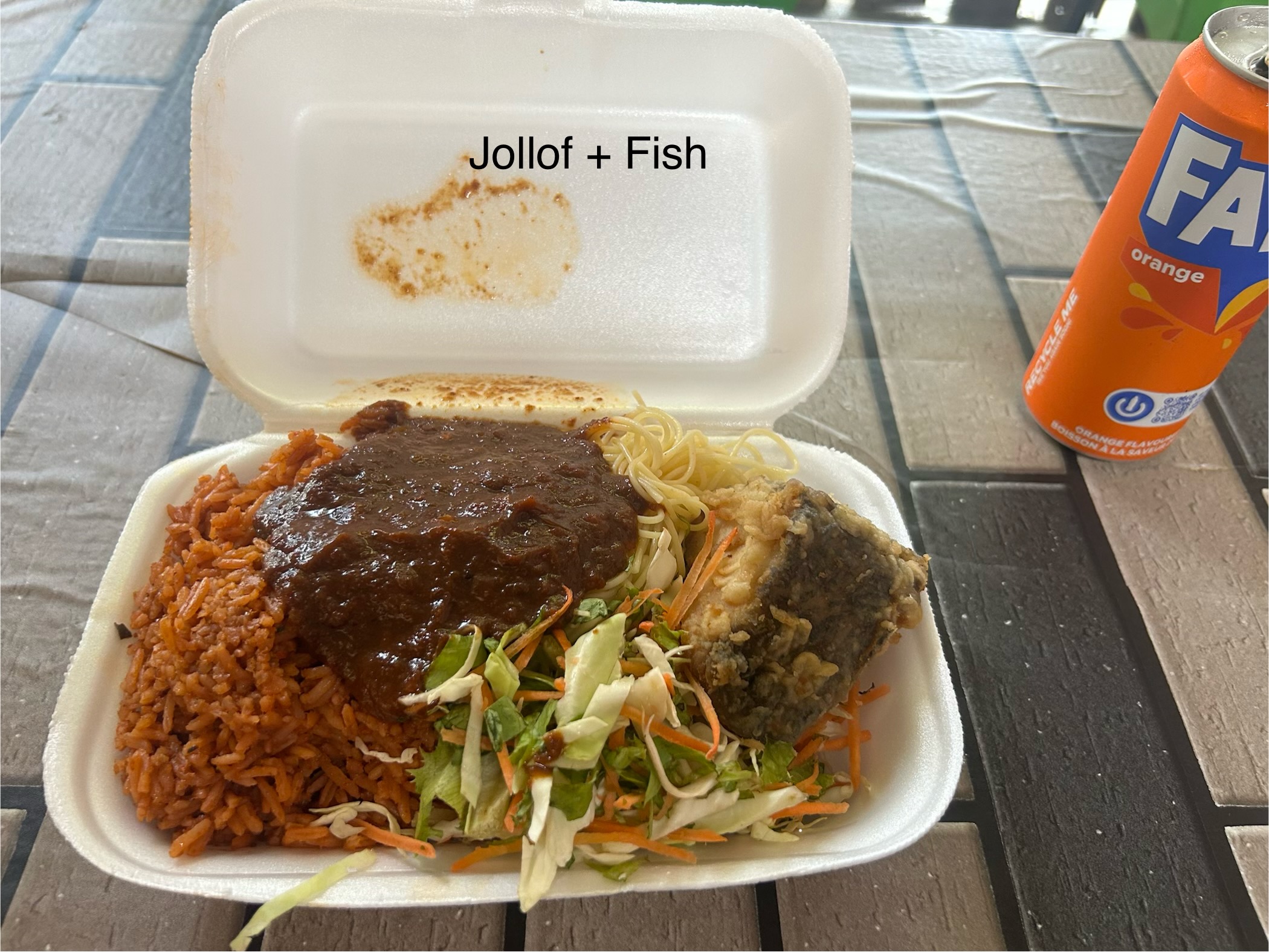
Jollof - Tomato + spice cooked rice
Day 4: Fantasy Coffin + doing some carpentry
I started the day working a bit on this blog at a coffee shop on Oxford st.
My big trip today is to Teshie, home to many of the Fantasy Coffin artists here in Ghana. I arrived at Billy’s Workshop, and the street food lady up front pointed me to the back.
Fantasy Coffins are a unique and outrageous celebration of death, mostly amongst the Ga people in Ghana.
I arrived and saw an older gentleman working on a coffin. He referred me to his son Lawrence who toured me around.
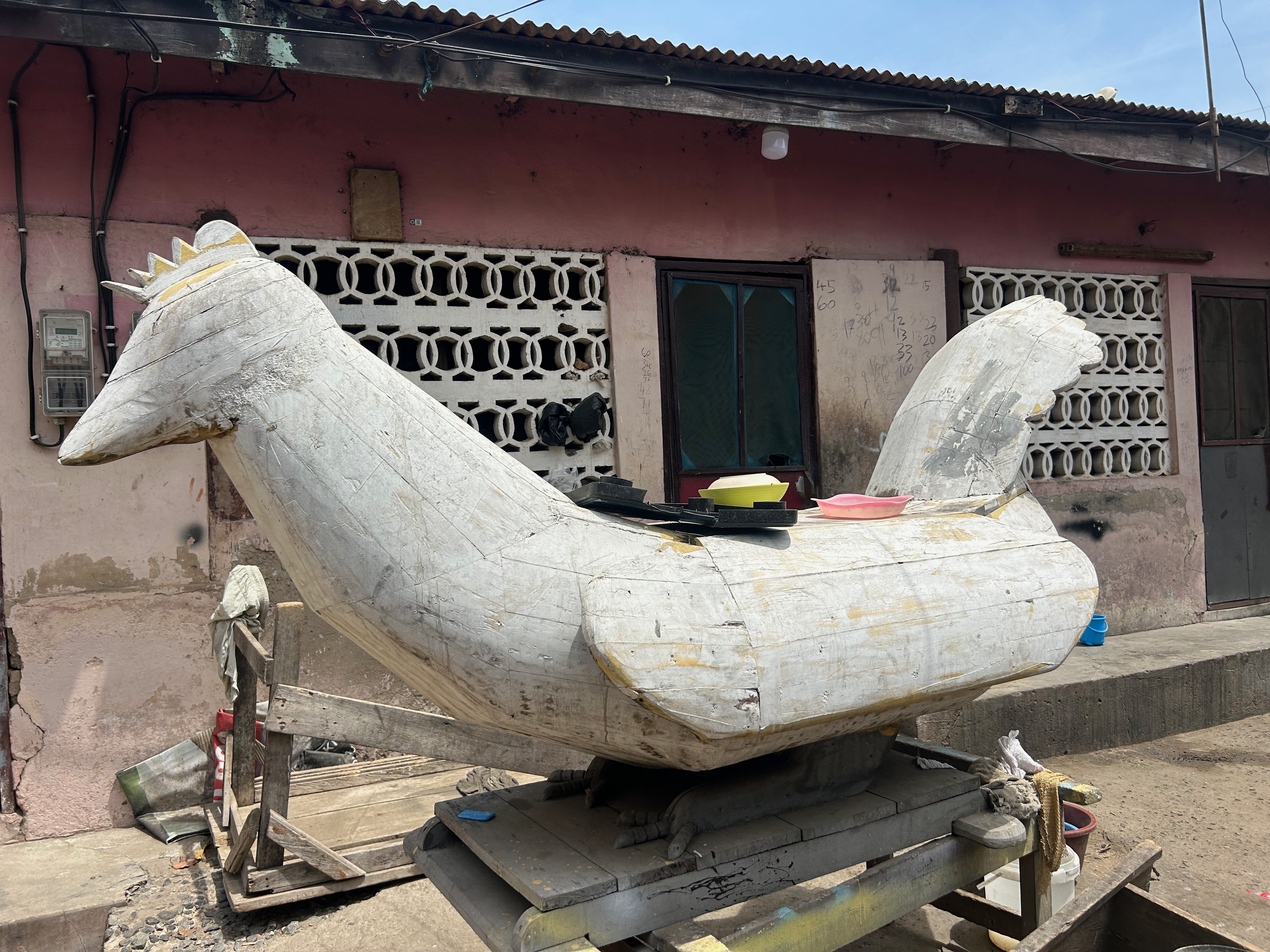
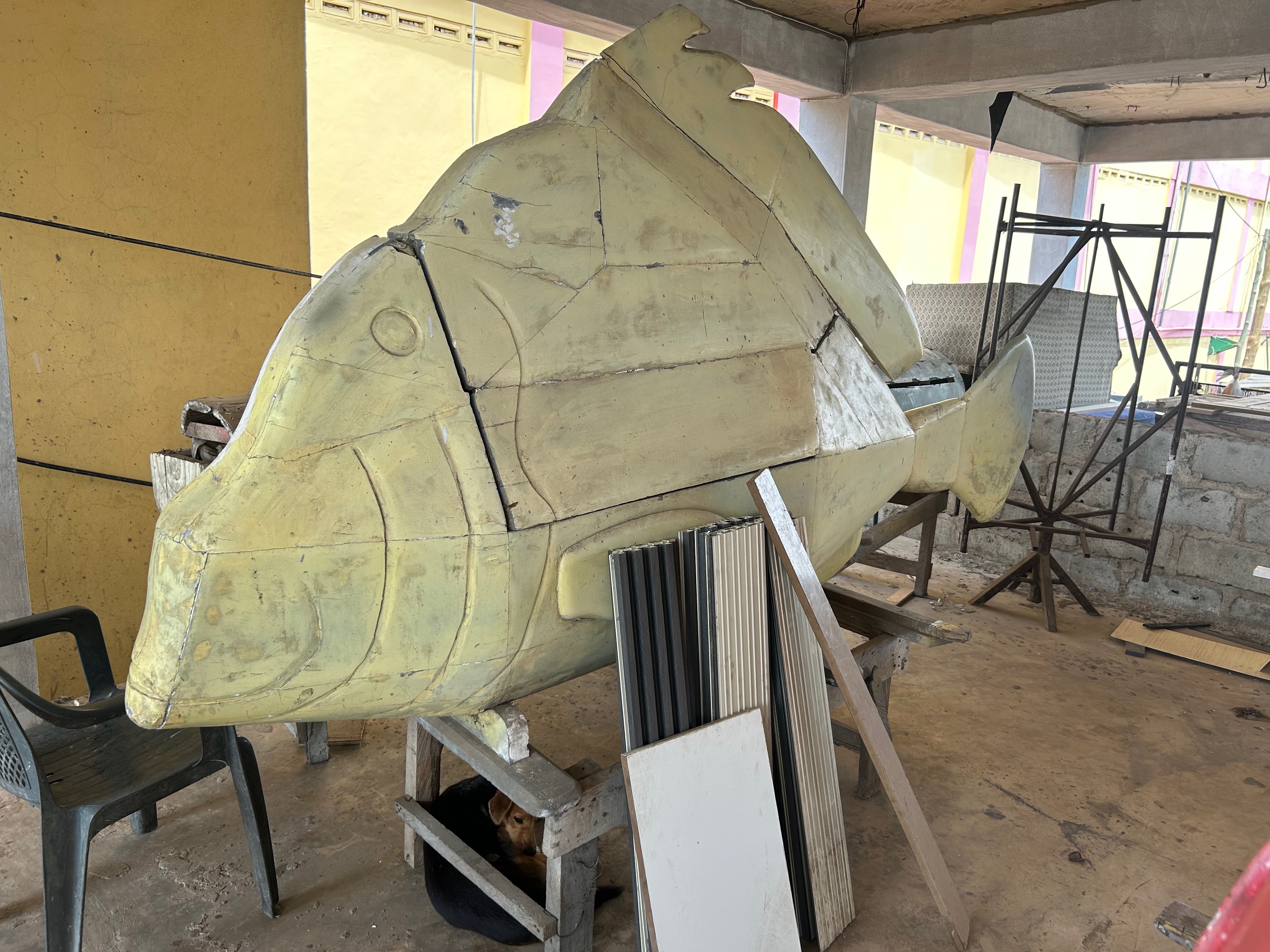
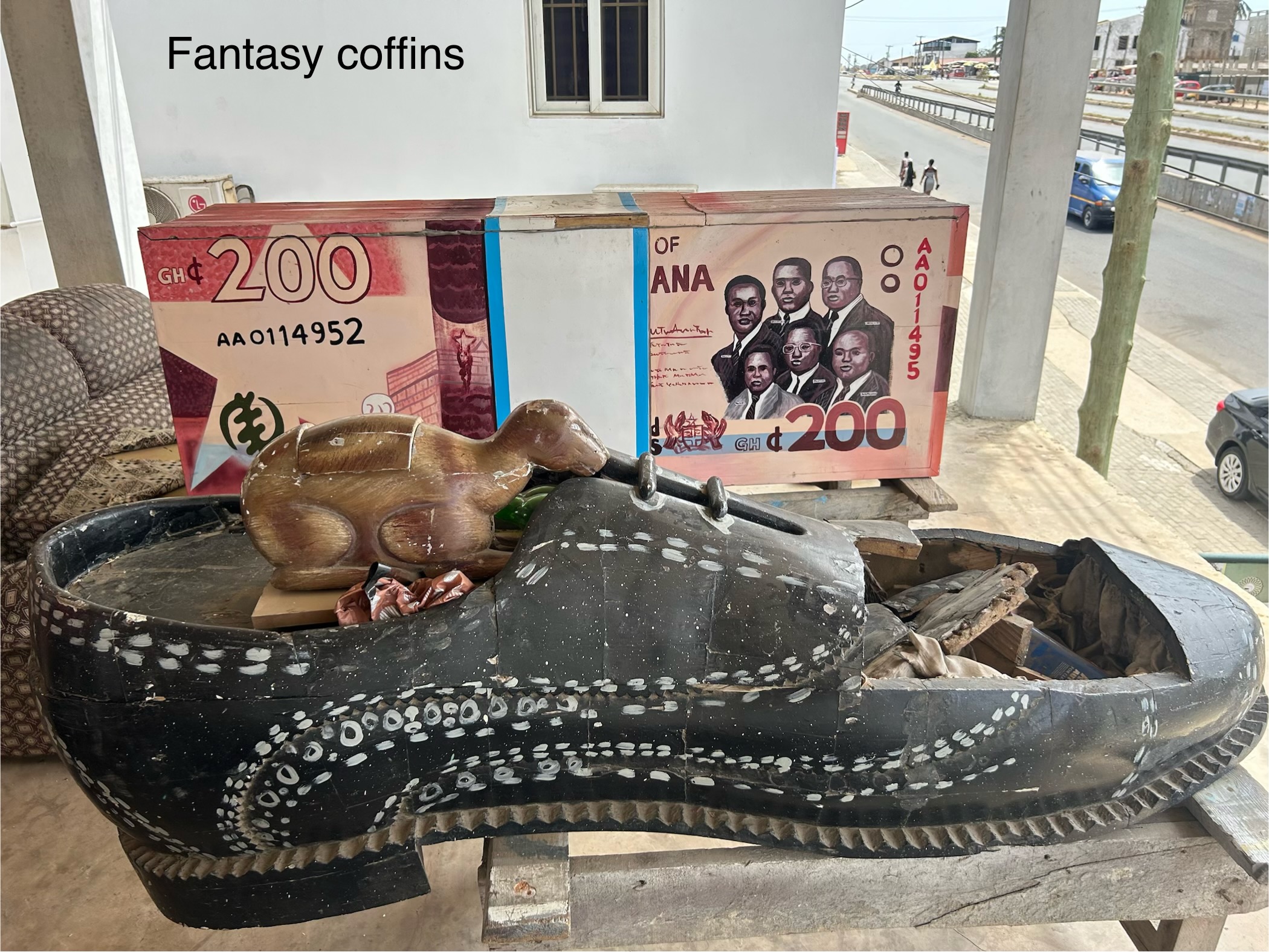
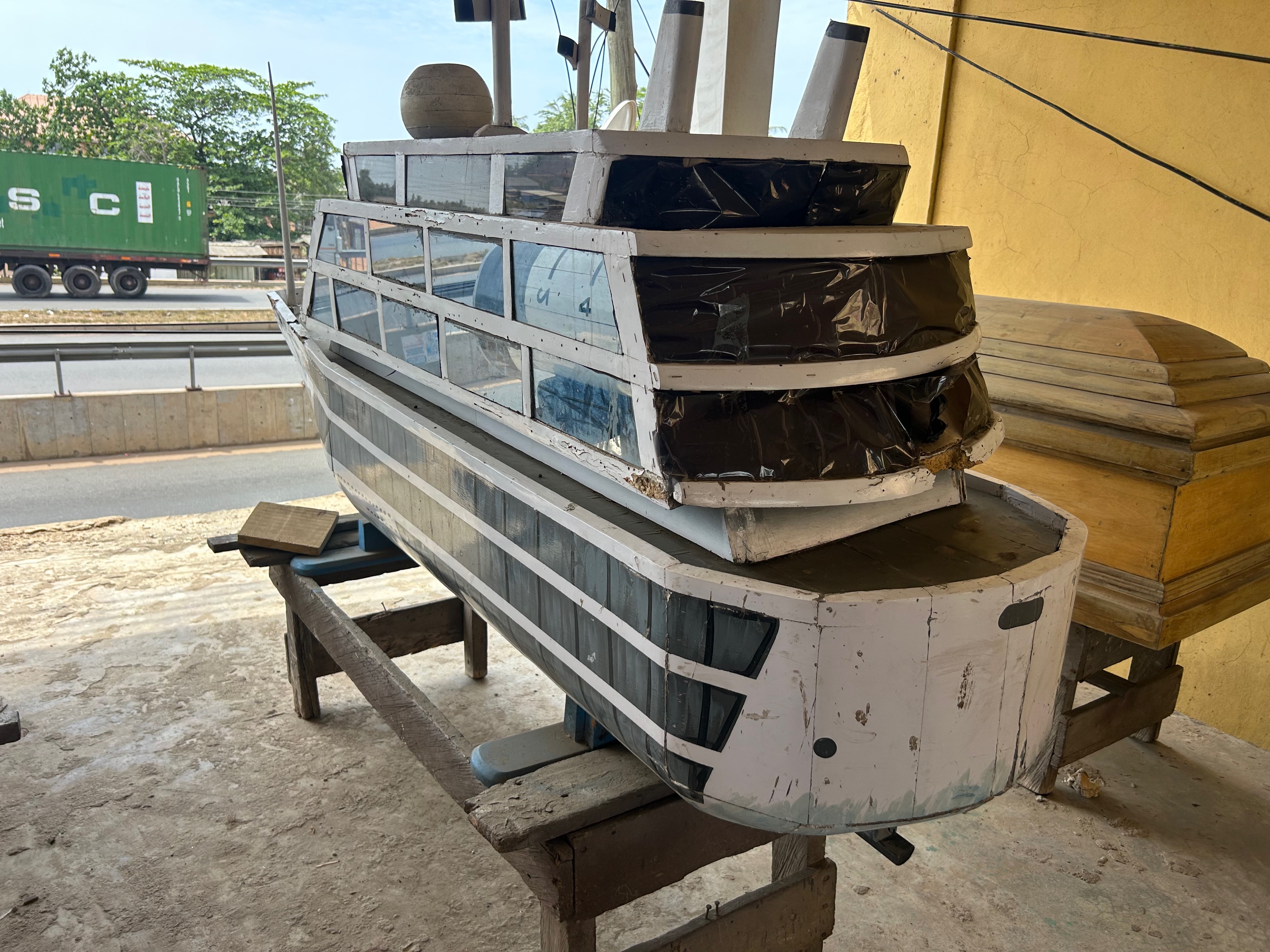
This workshop started when a village chief ordered a large wooden cacao for a festival, but he passed away before then, which led them to use it as his casket. Billy, Lawrence’s grandfather, never took an airplane, so he had one made in the shape of an aeroplane.
There are orders of beer bottles, hens with chicks (for a mother), a syringe for a nurse, a money bill, a car for a businessman, and all kinds on exhibit.
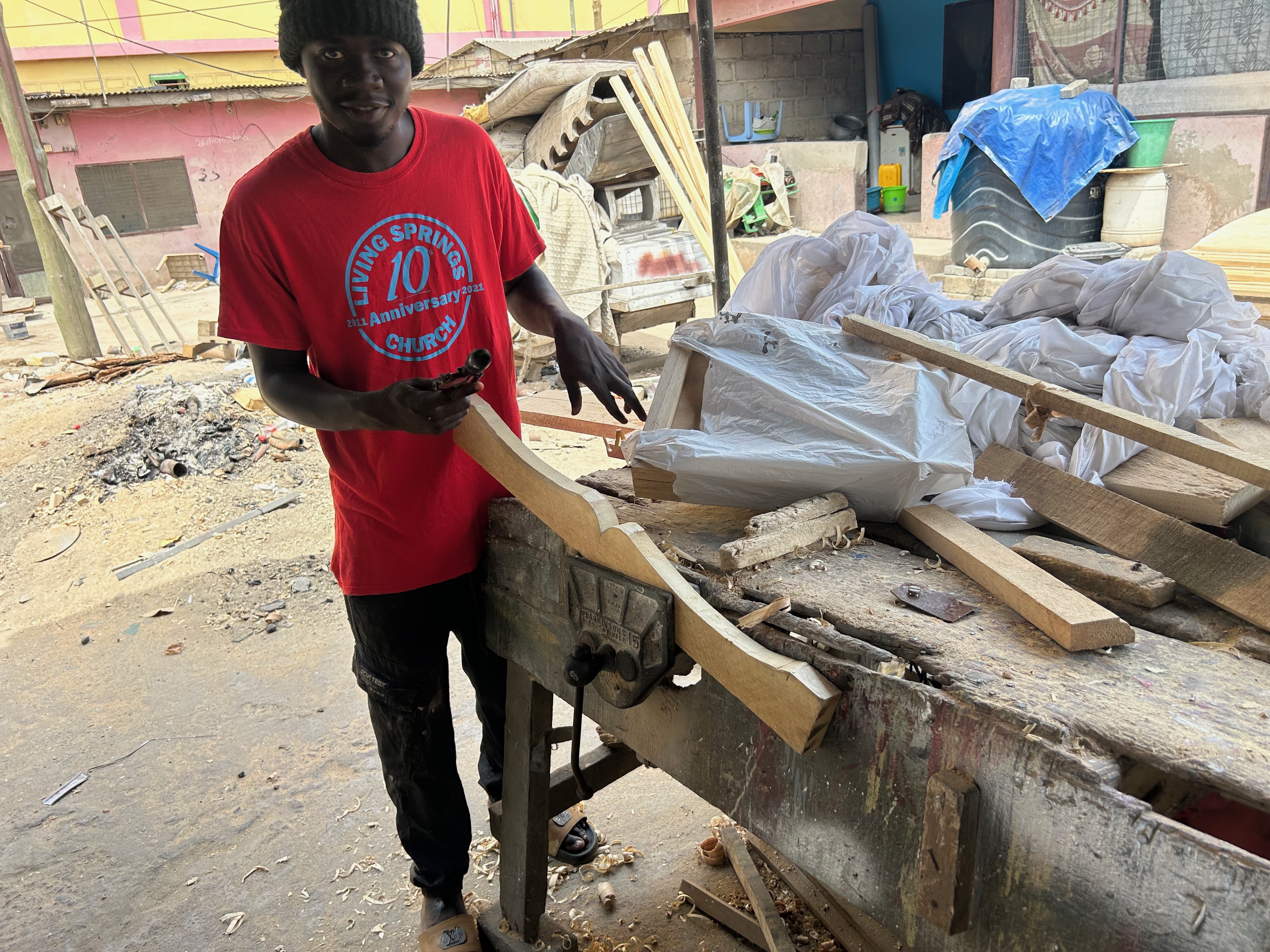
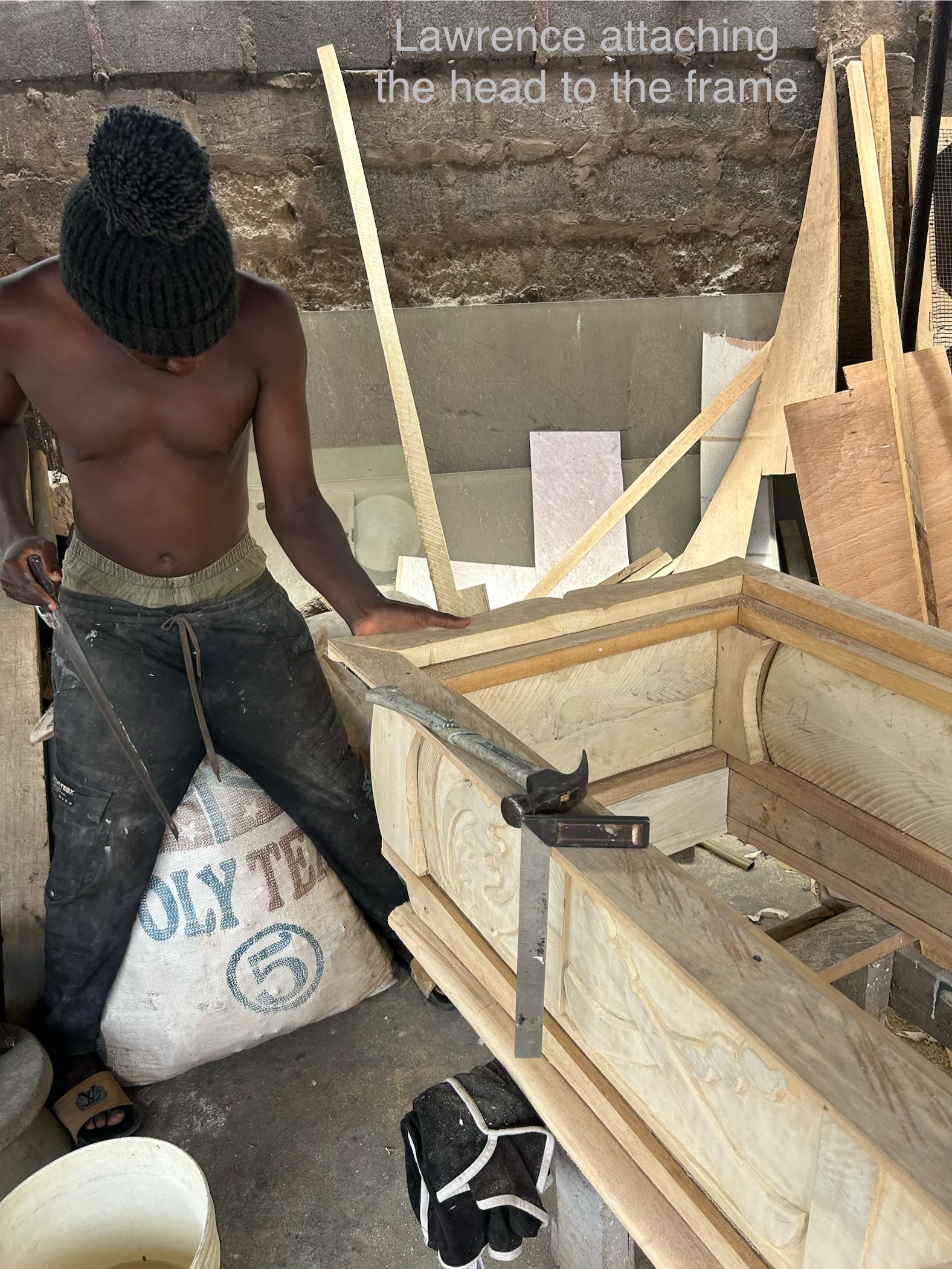
I asked Lawrence if I could see how he makes the coffin, and he got me to work in the workshop. I started shaving the head of the casket to be rounded, then chiseled for imperfections, lastly sanded and nailed to the frame. He also got me to cut a big piece of wood along the body.
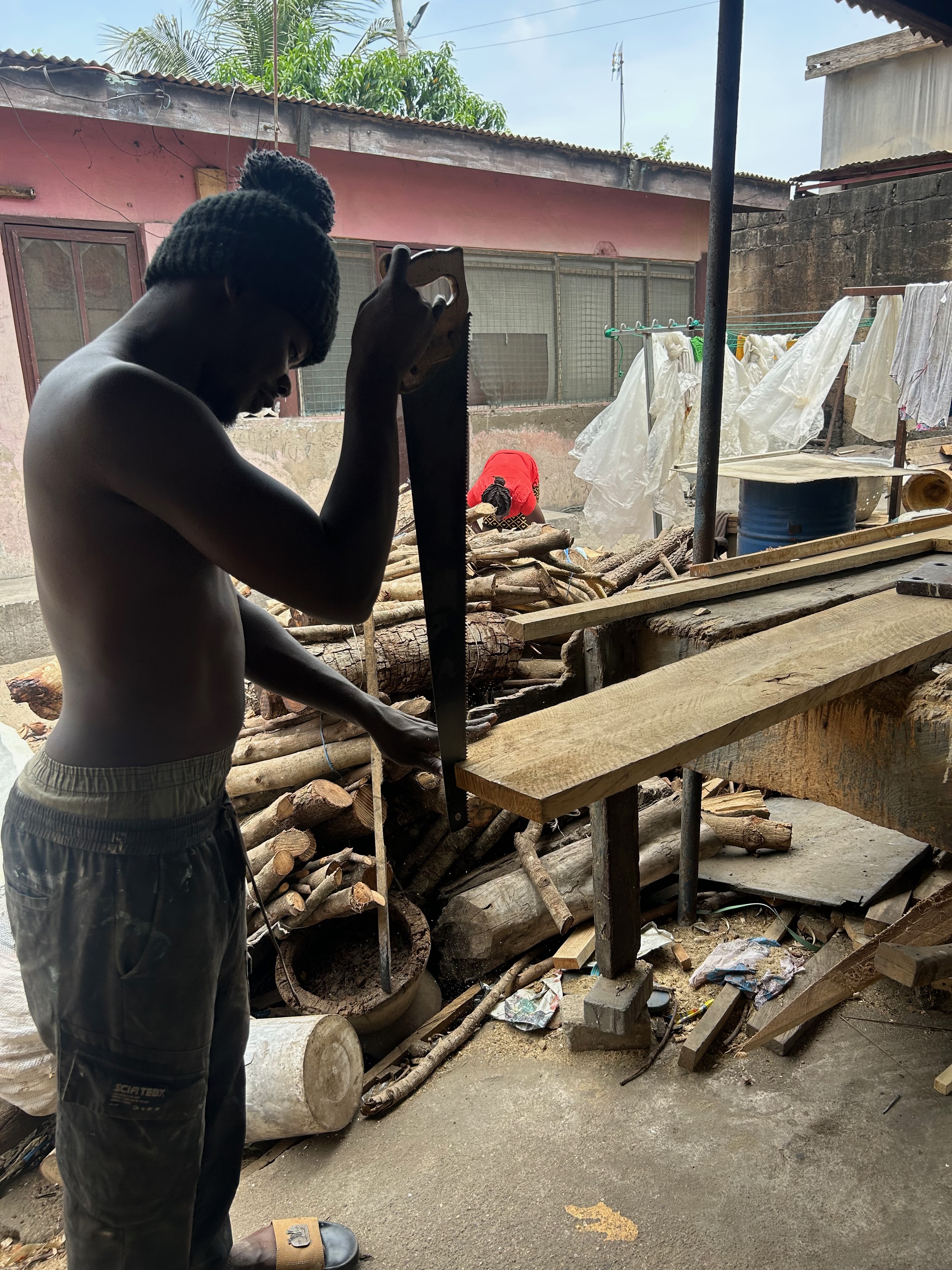
During our work, Lawrence mentioned that he takes 2 weeks alone to finish 1 single casket. He has been working here since he was born. They first start with the normal coffin, then gradually move to the hen, which is a popular design.
His whole family lives in the compound and the women are making kenkey in the back.
Lawrence tossed a scrap piece of coffin wood and said it is now for firewood. The folks here are using hand tools only and lack power equipment, they are amazing folks!
Day 5 & 6: Shai Hills Tour
Sadik, my guide, and I started the day at 8am and arrived at Shai Hills.
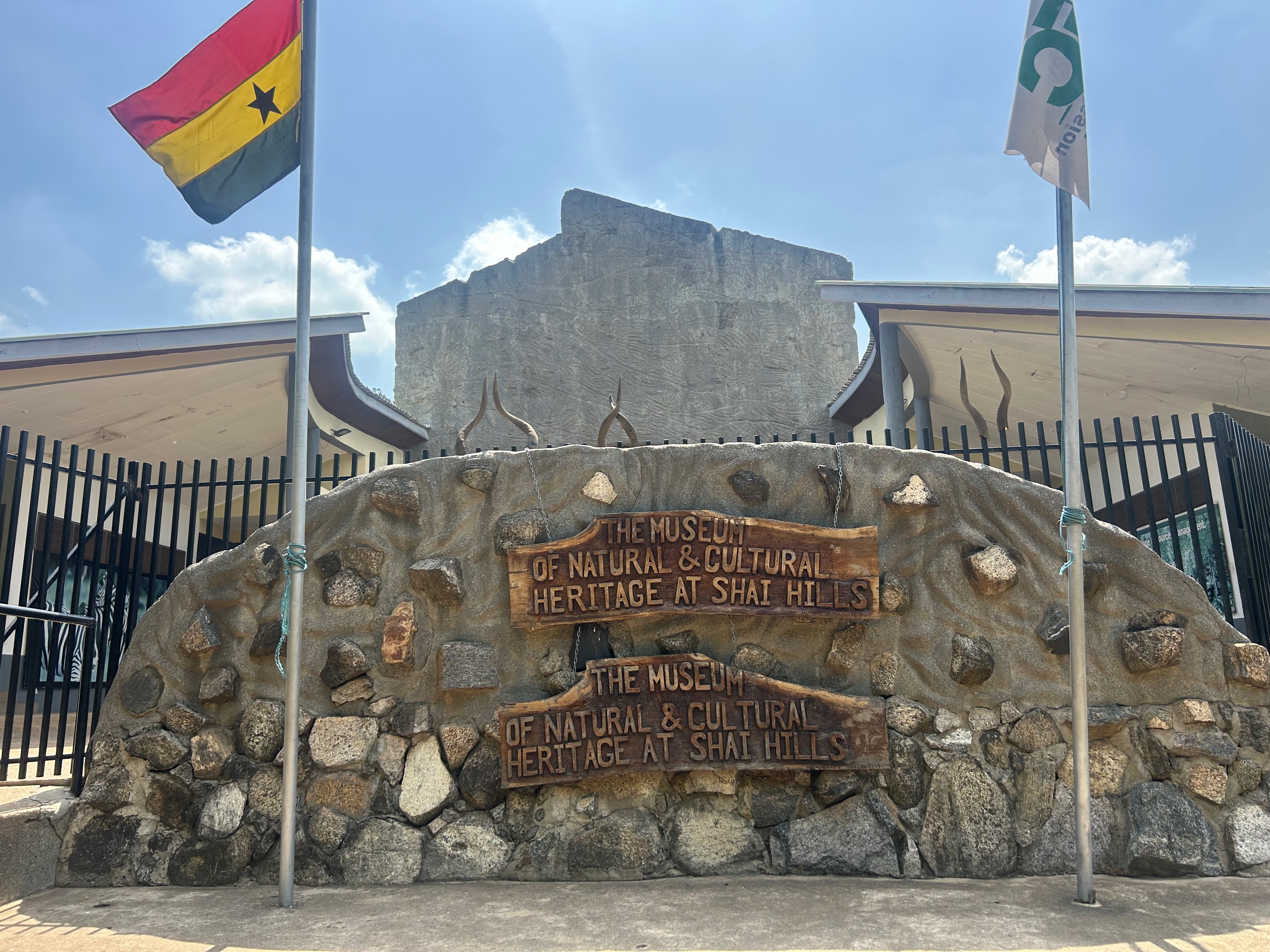
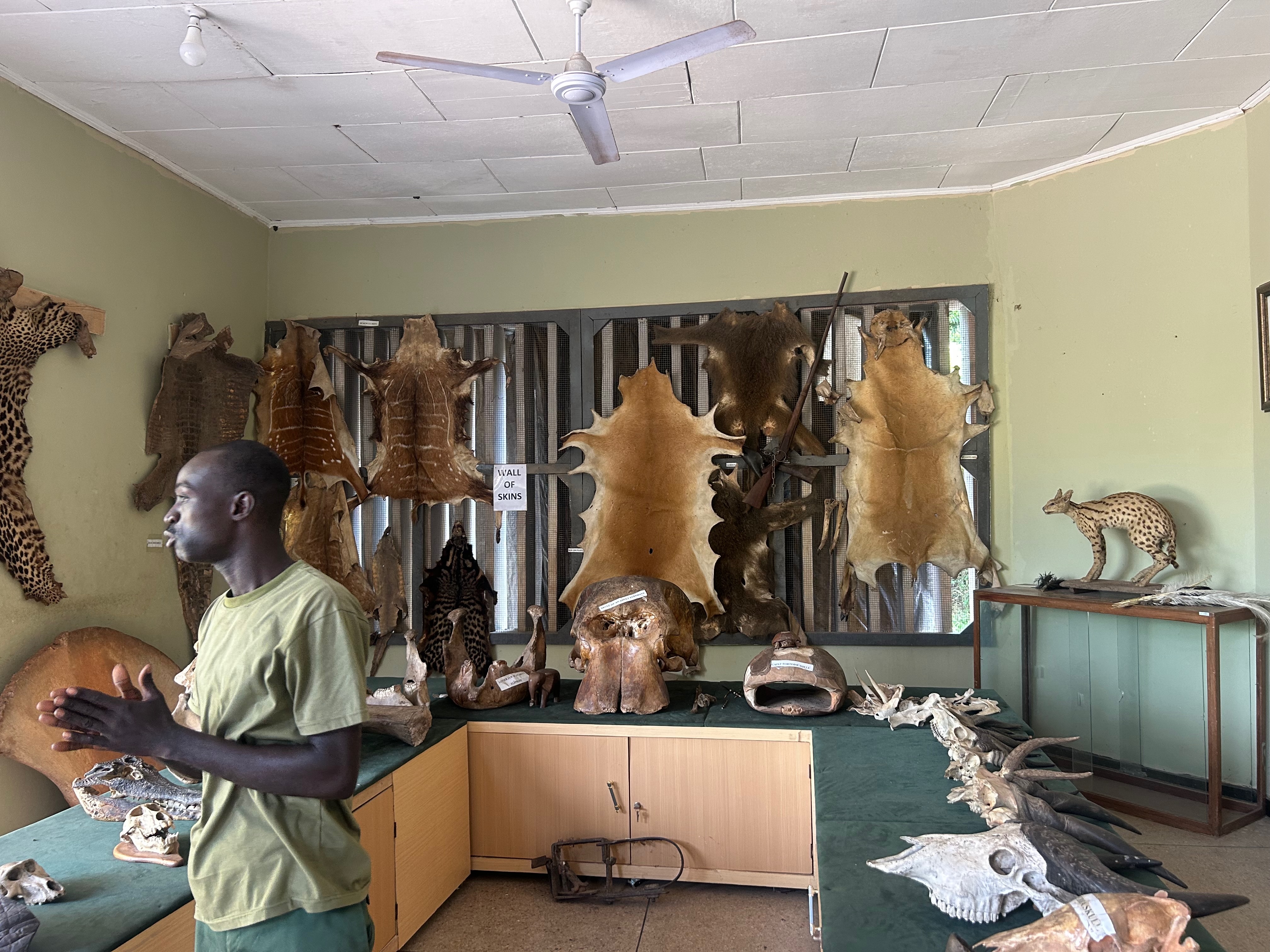
We first visited the fenced-in ostriches and zebras that are from South Africa. Then we went inside the museum, split into two sections, one on the animals like antelopes, elephants and porcupines, the other on the Shai people’s archeology sites.
The Shai people originally came from Nigeria around 1080 AD. They lived here until 1892, when they were chased out by the British. The Shais were hunter-gatherers, and demanded tolls from passersby, and did not pay taxes. However, their descendants are scattered into the surrounding villages and still come every year to pay their respects to the ancestors.
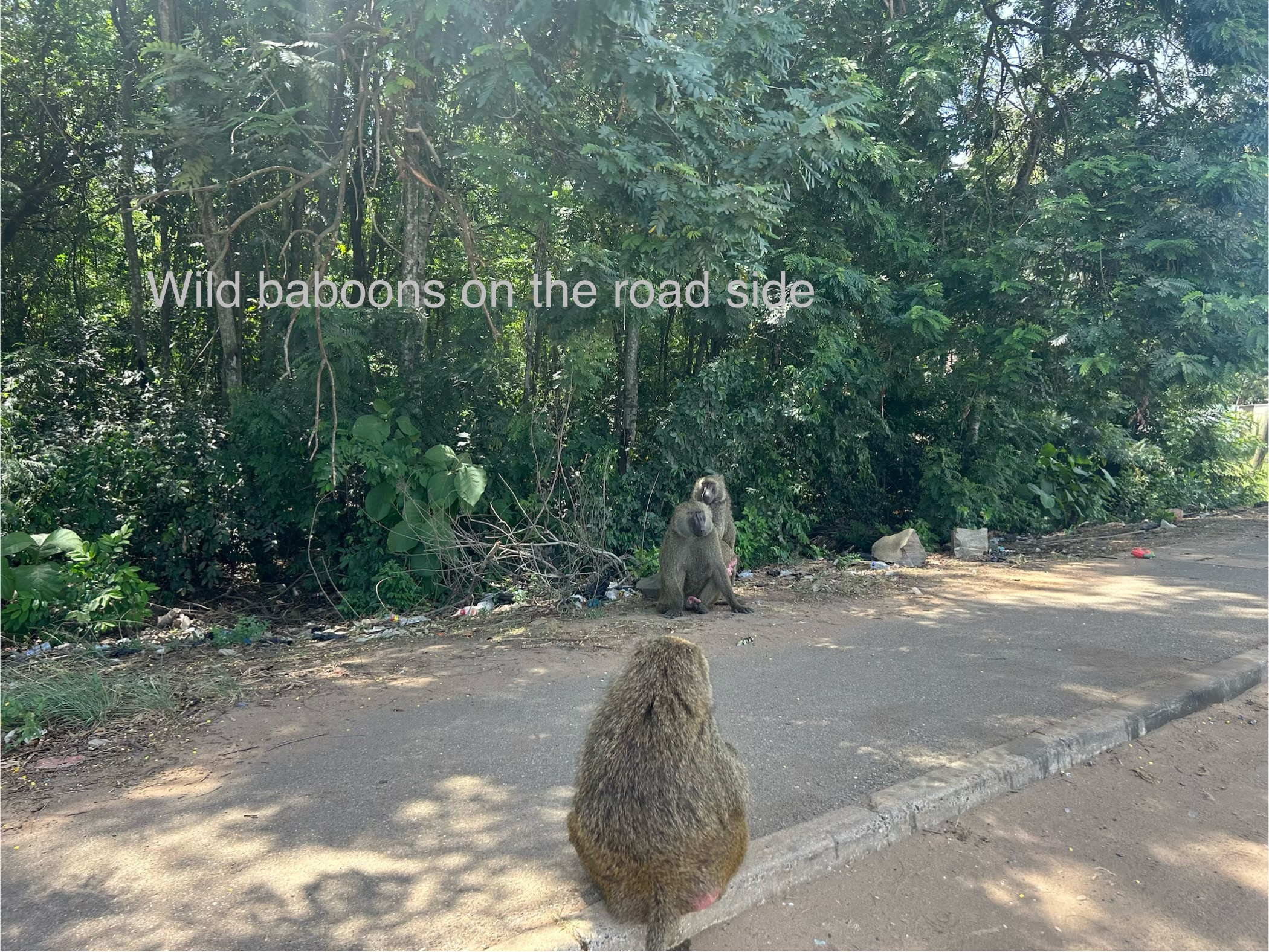
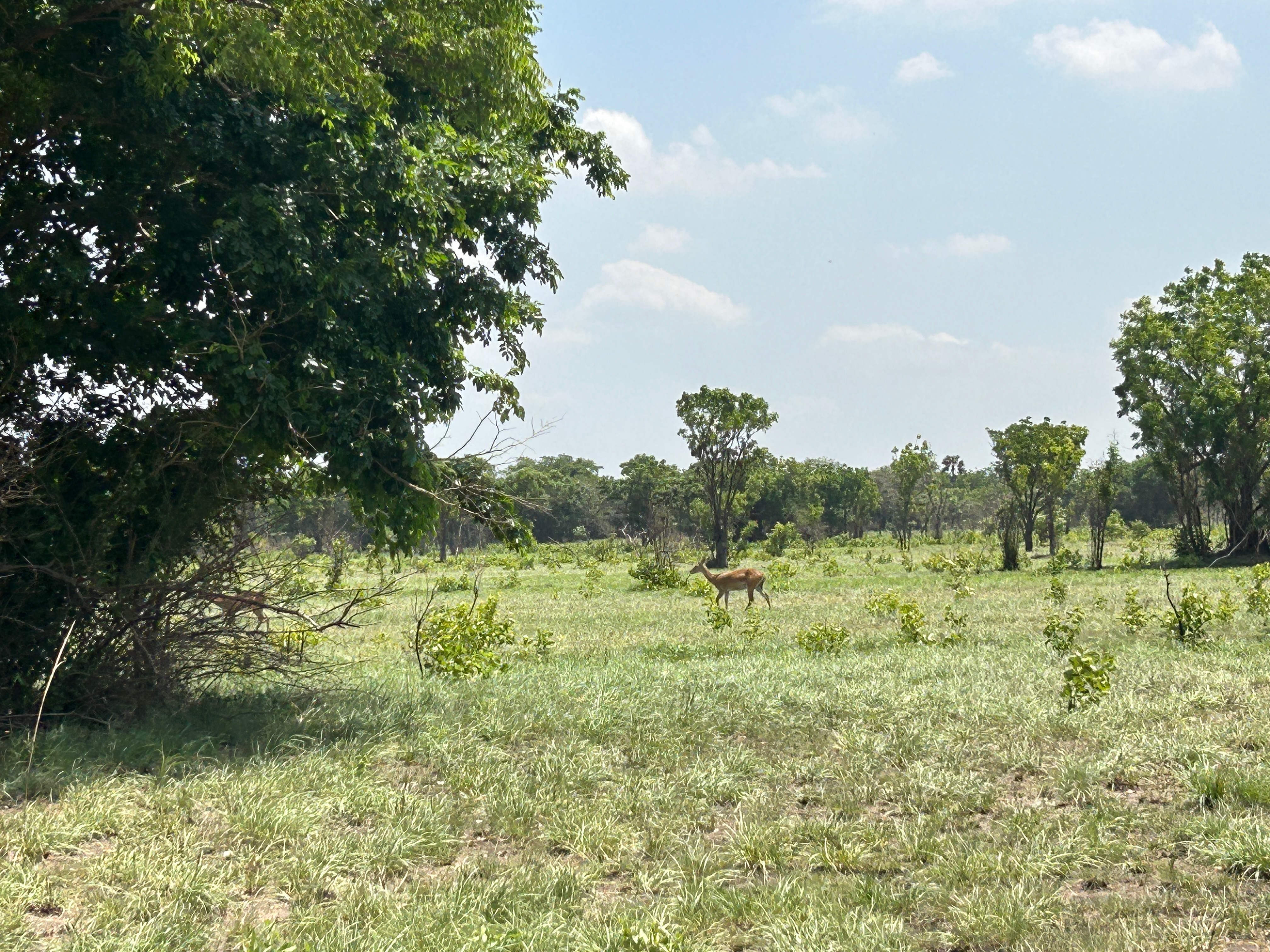 Right: We also saw wild antelopes - the male with horns, and the females without.
Just as we were driving, we saw wild baboons by the sides of the roads. The guide explained that they usually live in packs, but have adapted to human food, and come to the highways for food. Their young ones are on the adults’ backs, and of course, their bottoms are bright pink.
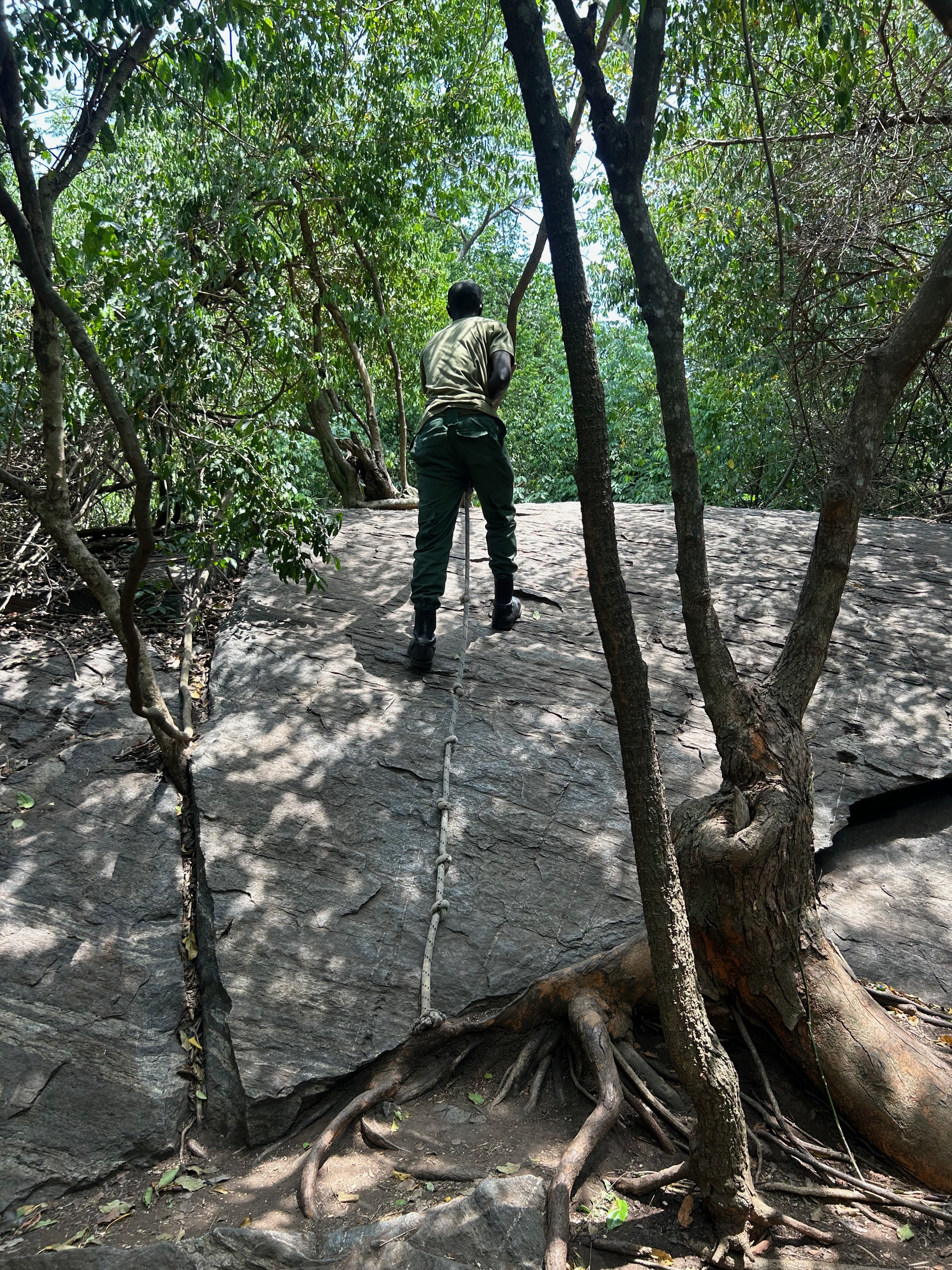
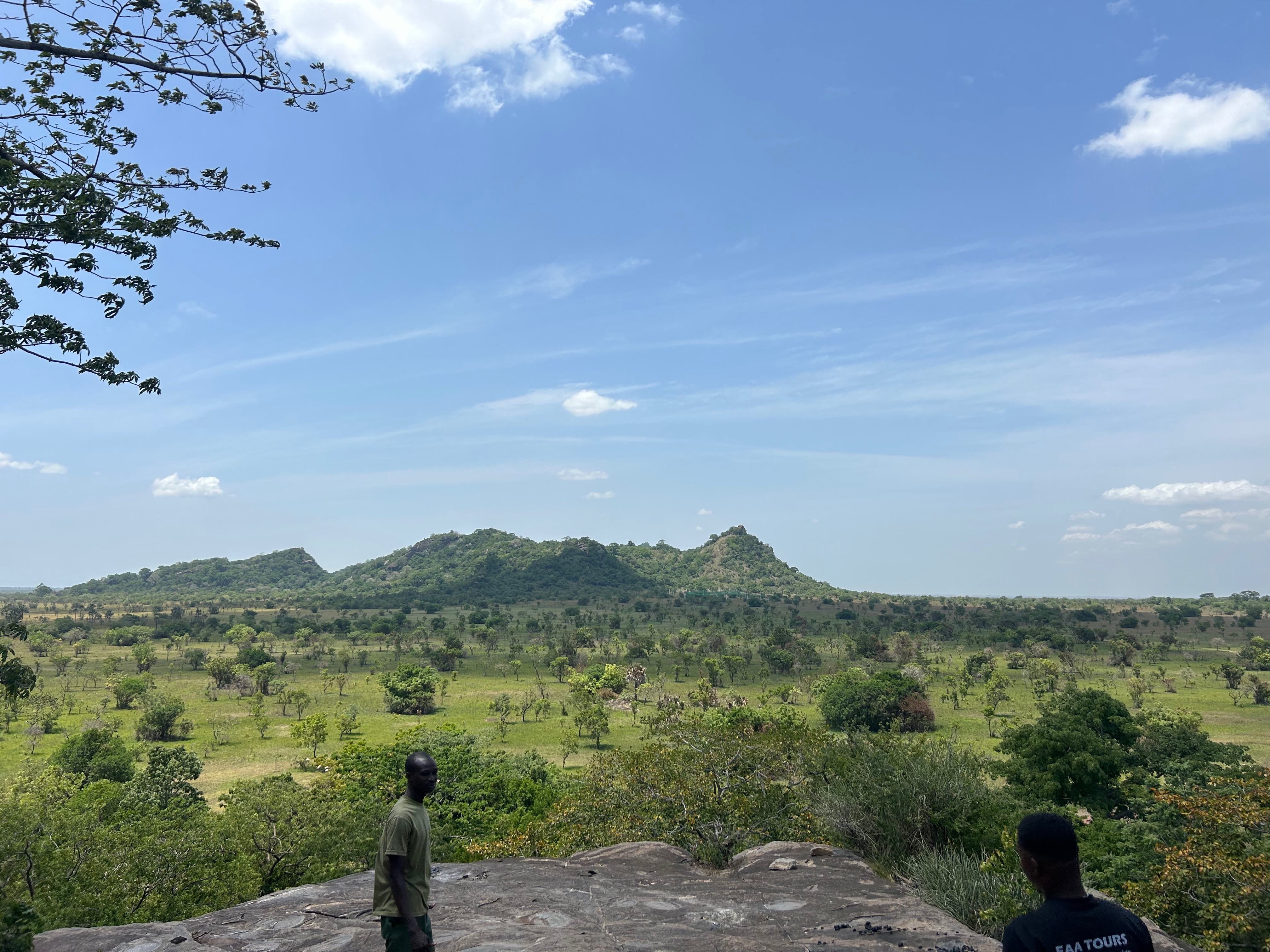
We stopped by Mogo hill, where we climbed up with ropes. This is a place for the Shai young women’s initiation rituals, lasting 6 months for virgins to learn about adulthood.
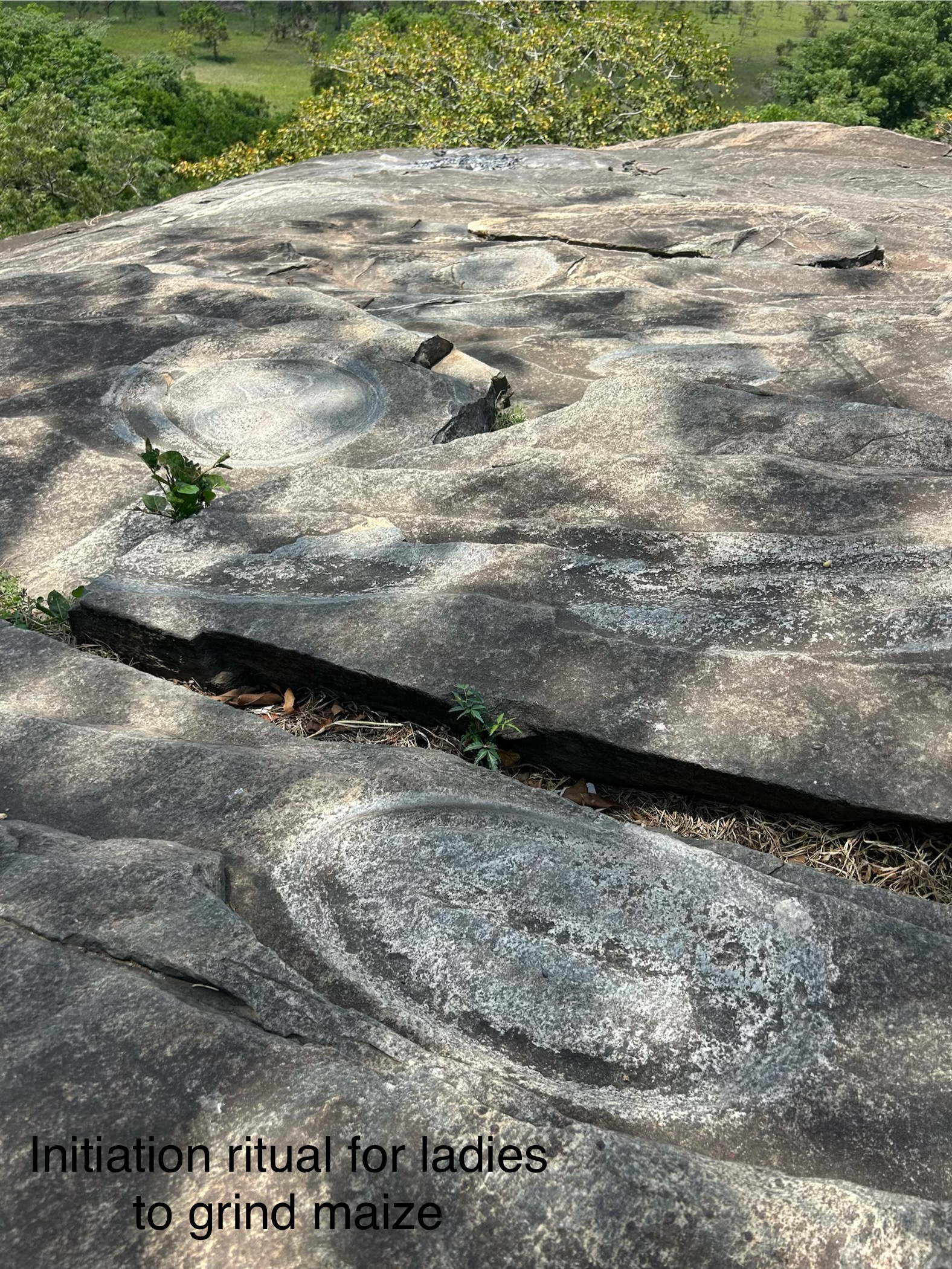
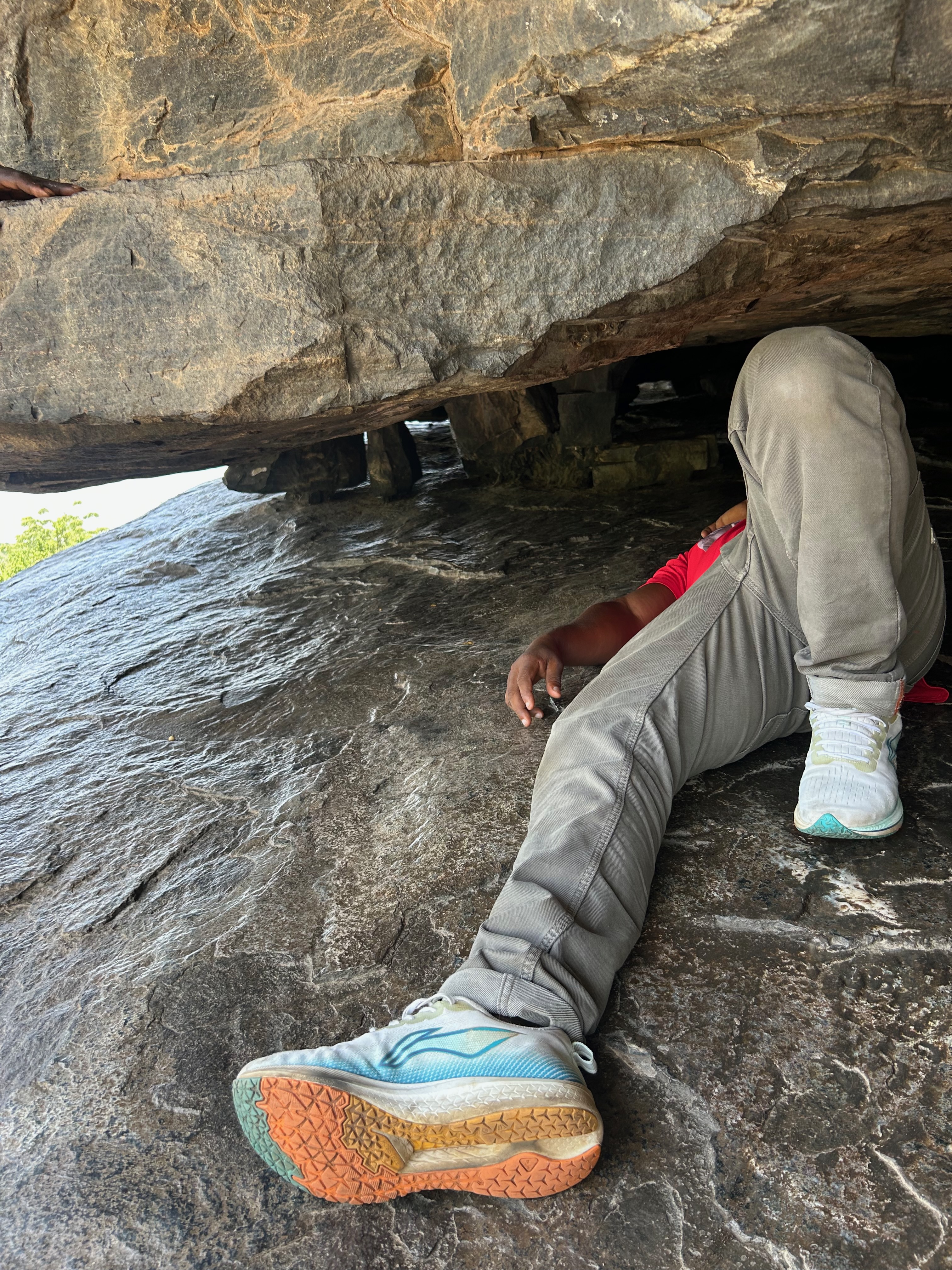
Left: spots left behind from grinding maize; Right: Natural rock caves where Shai folks slept.
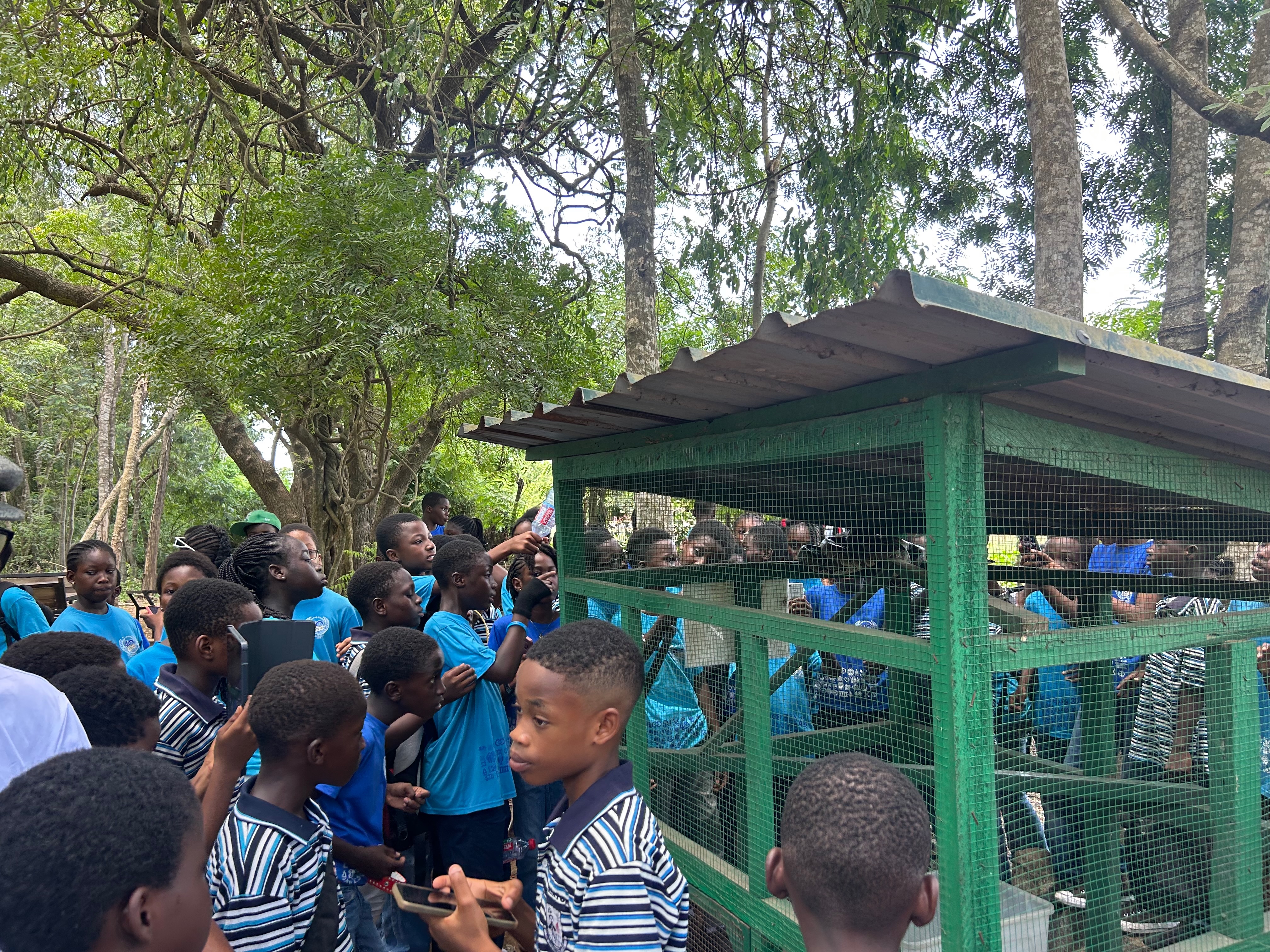
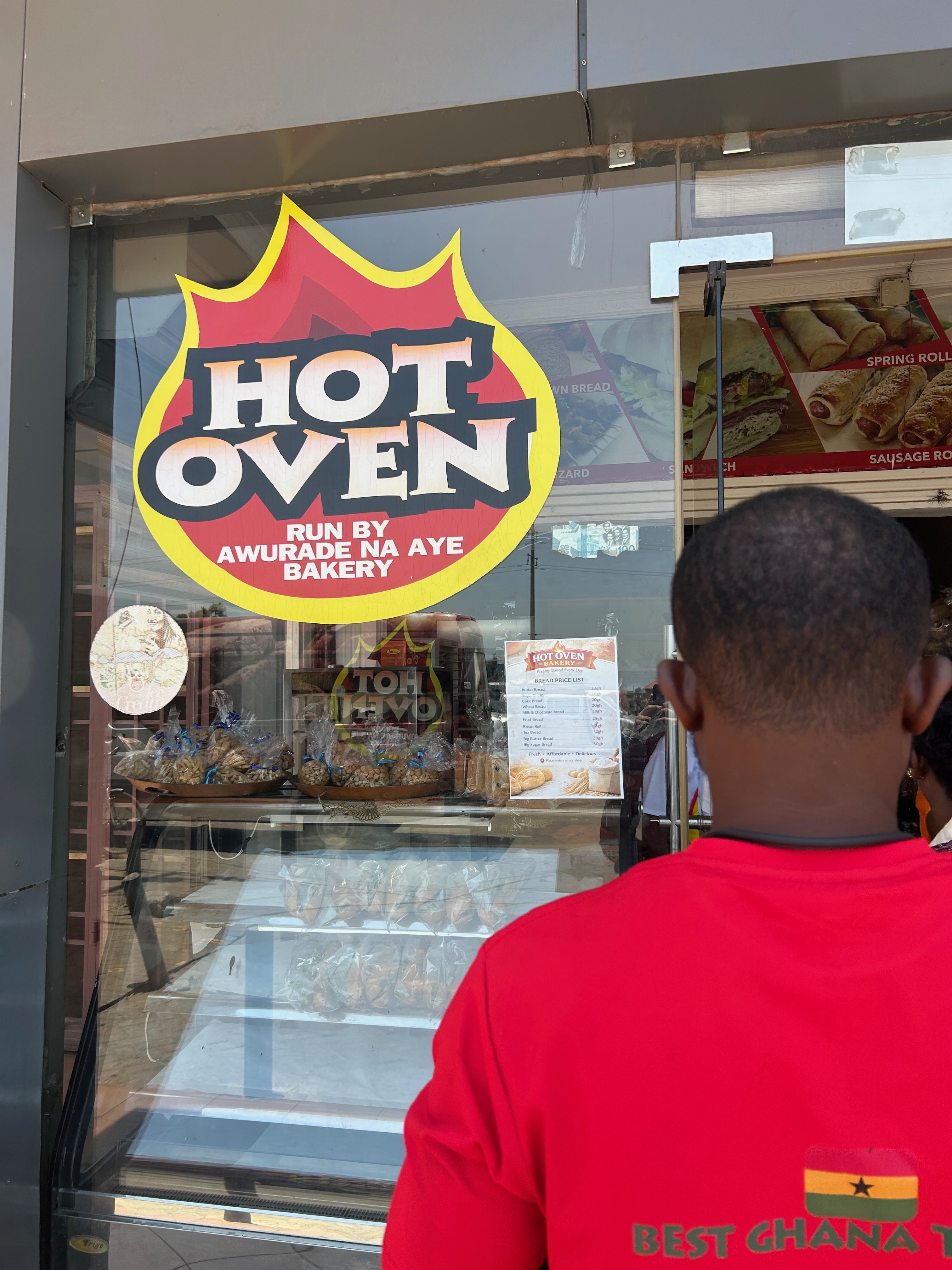 Left: As we left Shai hills, we saw a local class visiting the reserve; Right: Sadik stopped on the way back to Accra for some bread. I also bought a chicken pie.
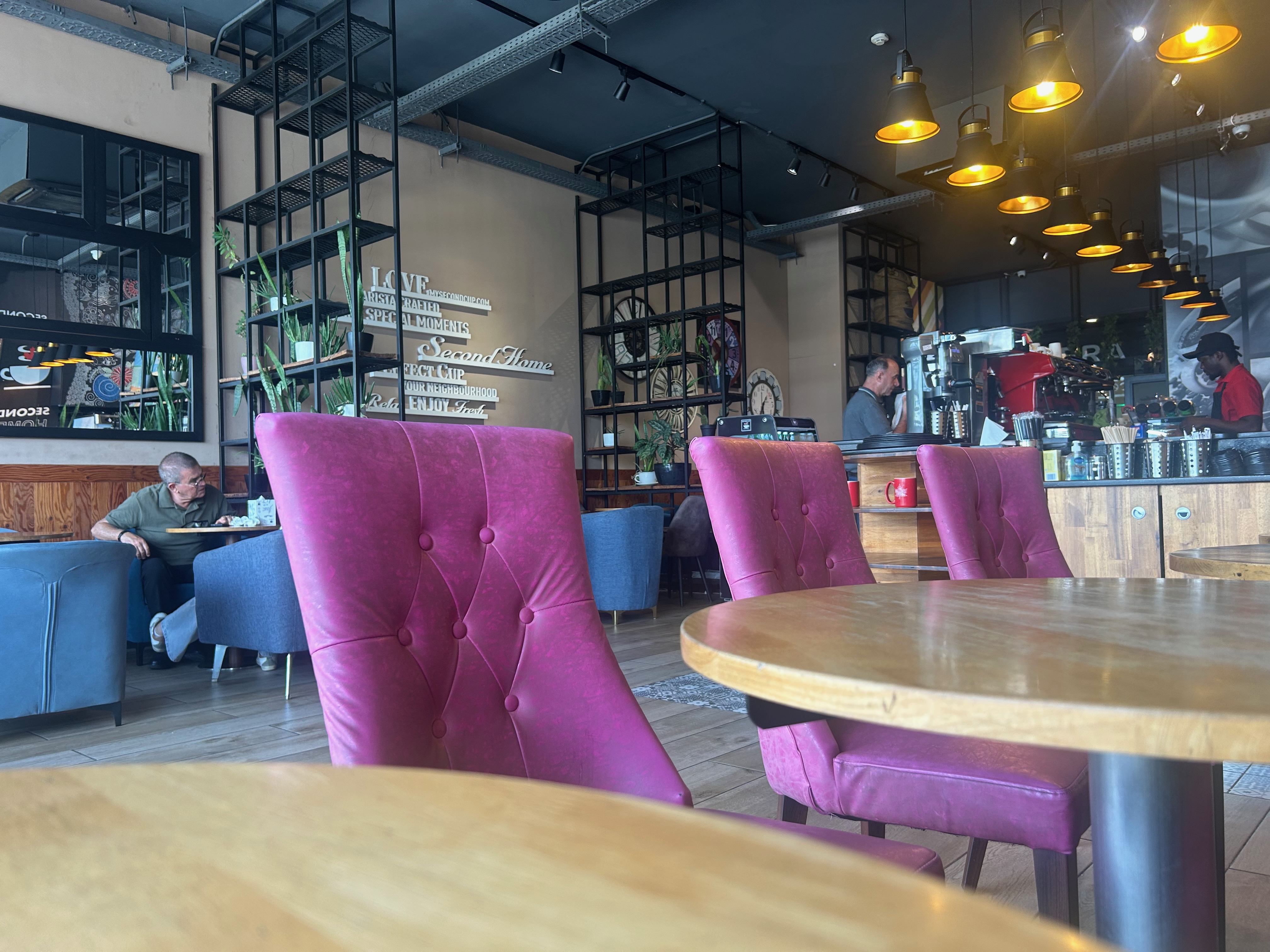
My day 6 (Friday) was less eventful, as I wanted to take it easy. I went to the Palace Mall around the Accra airport, and made some progress on this blog in a Canadian coffee shop chain, Second Cup.
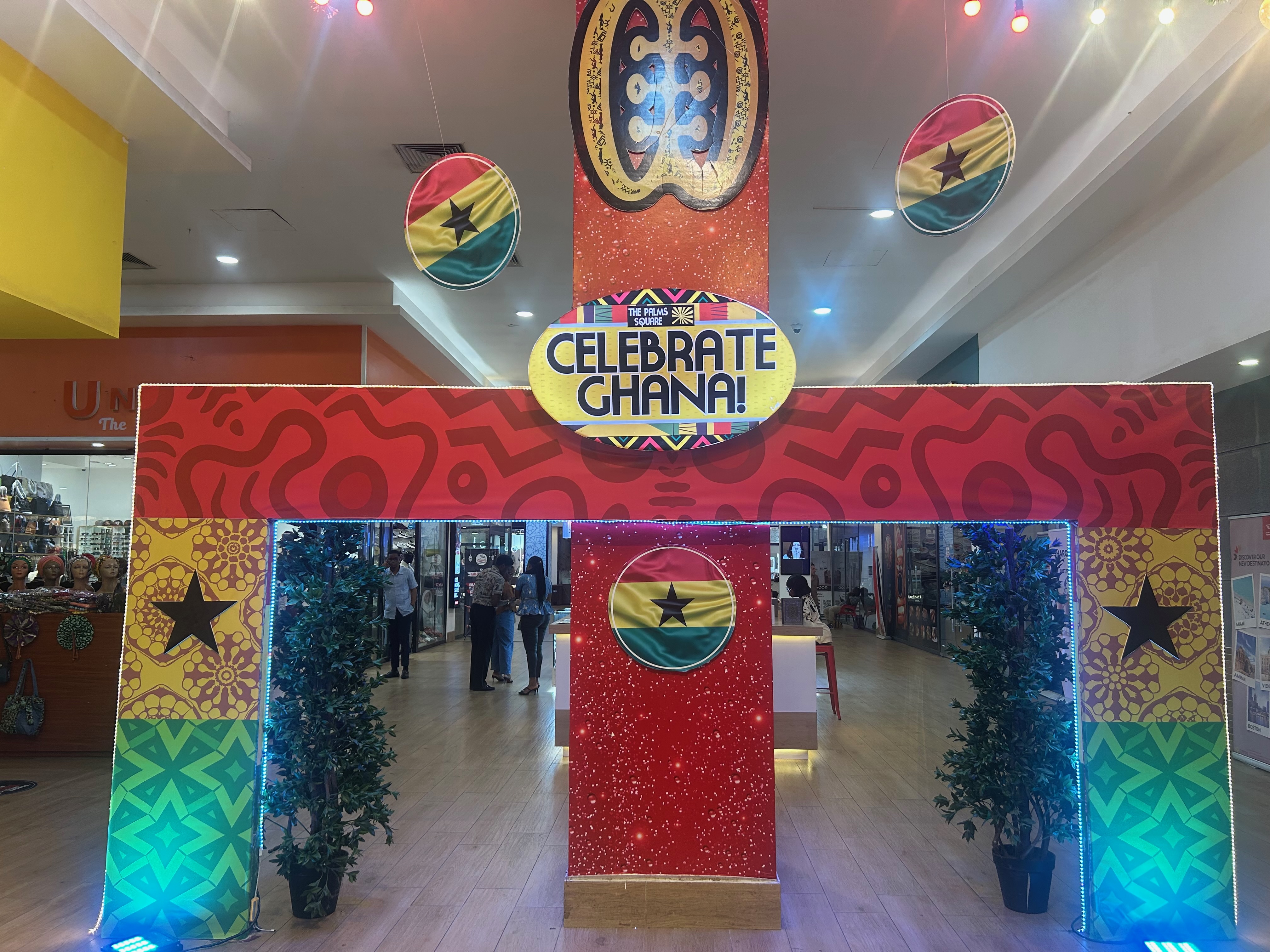
Day 7: Cape Coast, Elmina Castle & Kakum National Park Day Tour
The tour driver picked me up in a van with 3 other folks at 5:40am. After a long drive in a pretty bumpy ride, we arrived at Cape Coast castle at around 10.
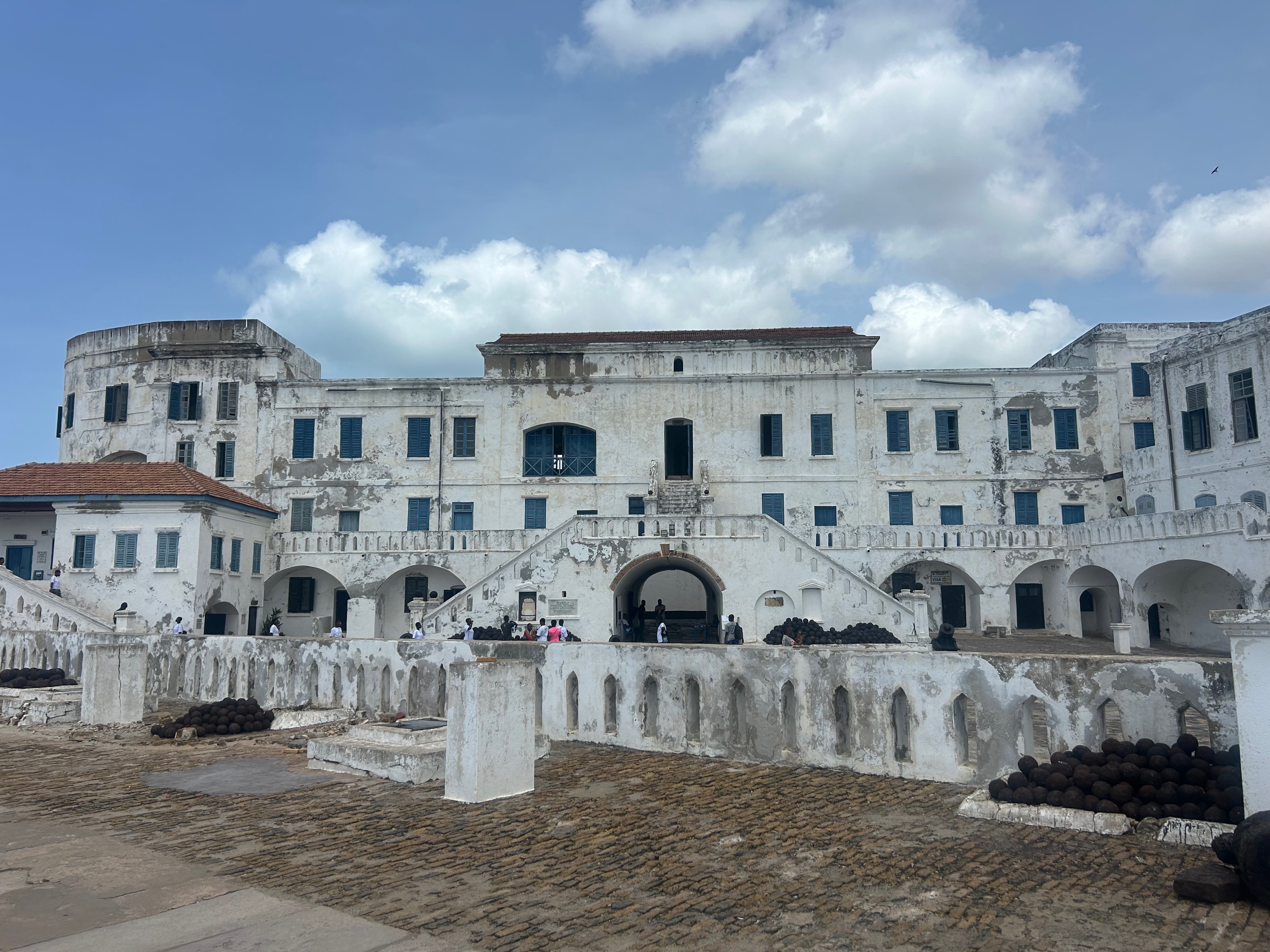
Cape Coast Castle, unlike Elmina about 6 km away and Osu Castle in Accra, was built specifically for the slave trade. It transitioned between European powers multiple times, but the English had by far the longest.
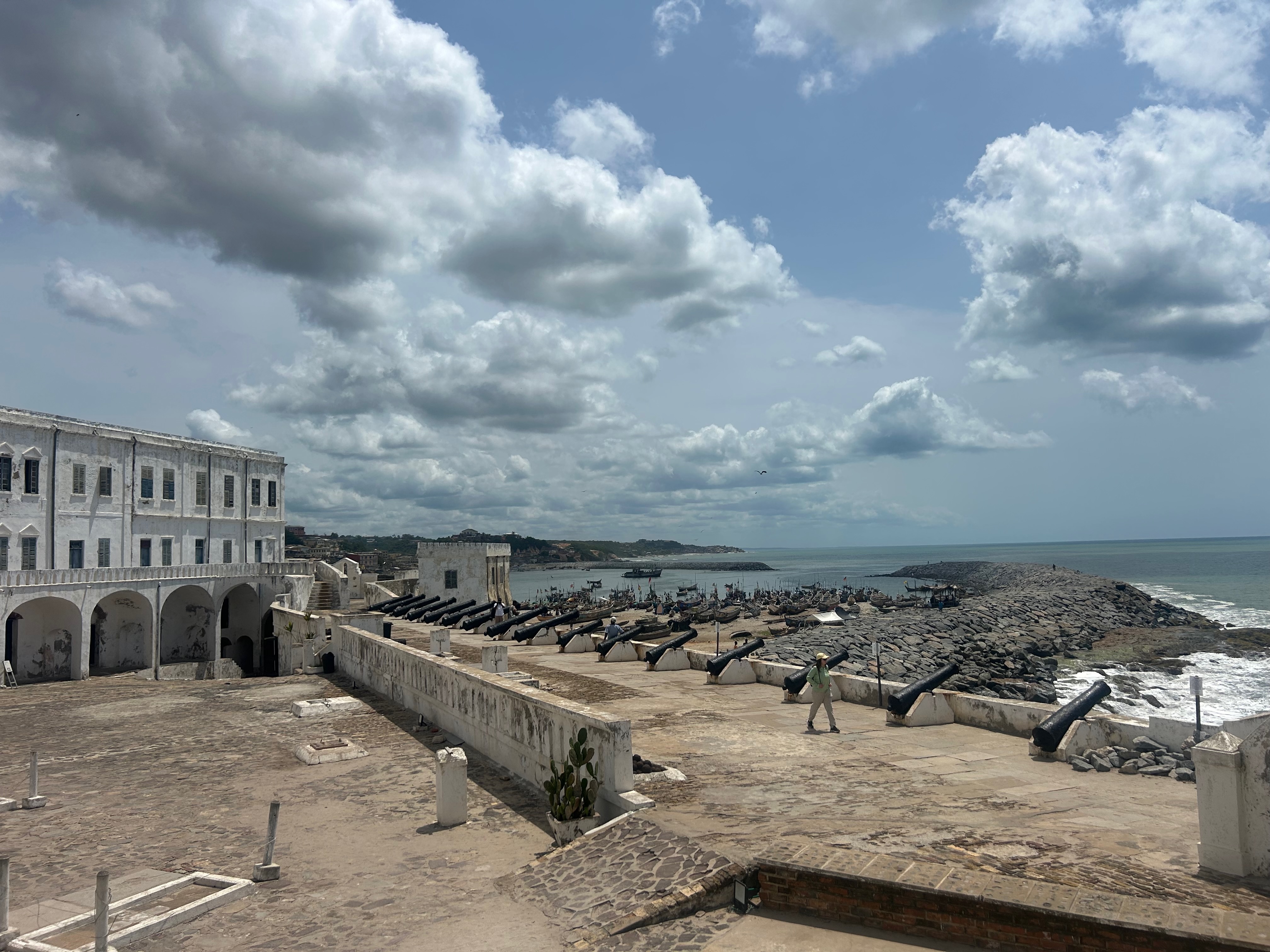
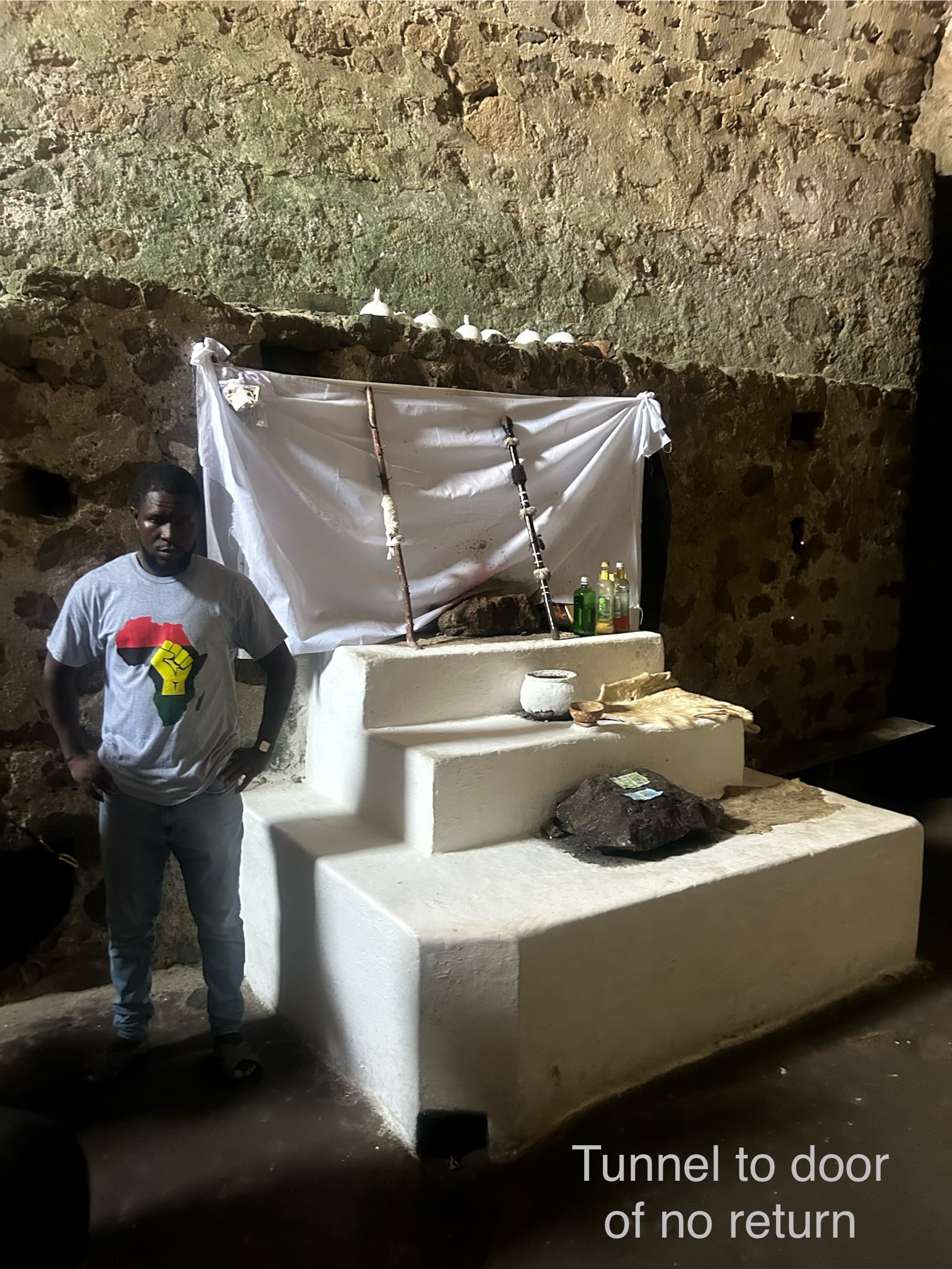
We toured the various dungeons which held male and female slaves separately. The dungeons had poor ventilation and the prisoners awaiting the Americas journey had to urinate in place, which was worse for the females with periods.
We were also shown detention cells, where people who disobeyed or tried to escape were left to die, tossed into the ocean and made an example in front of the others.
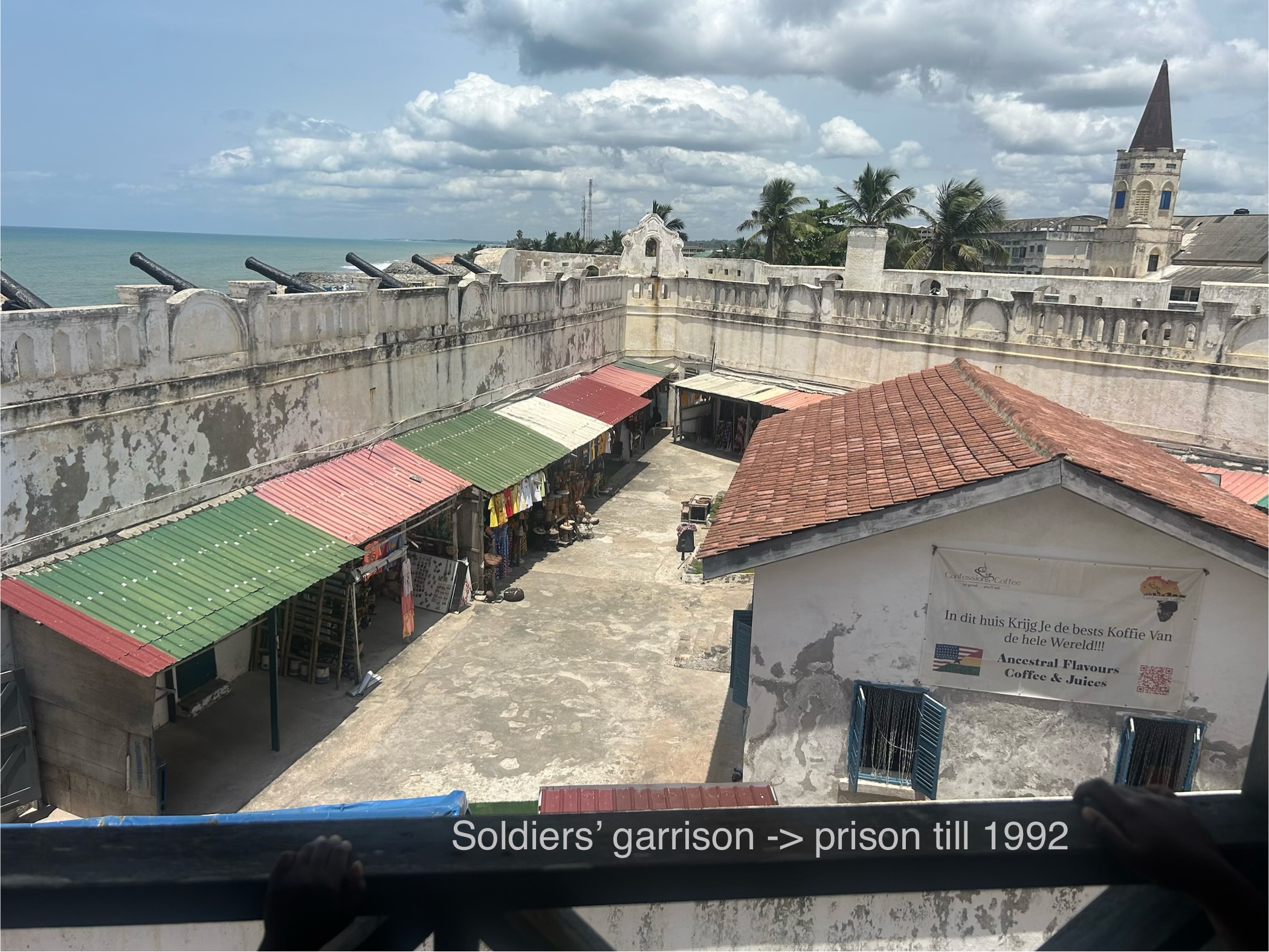
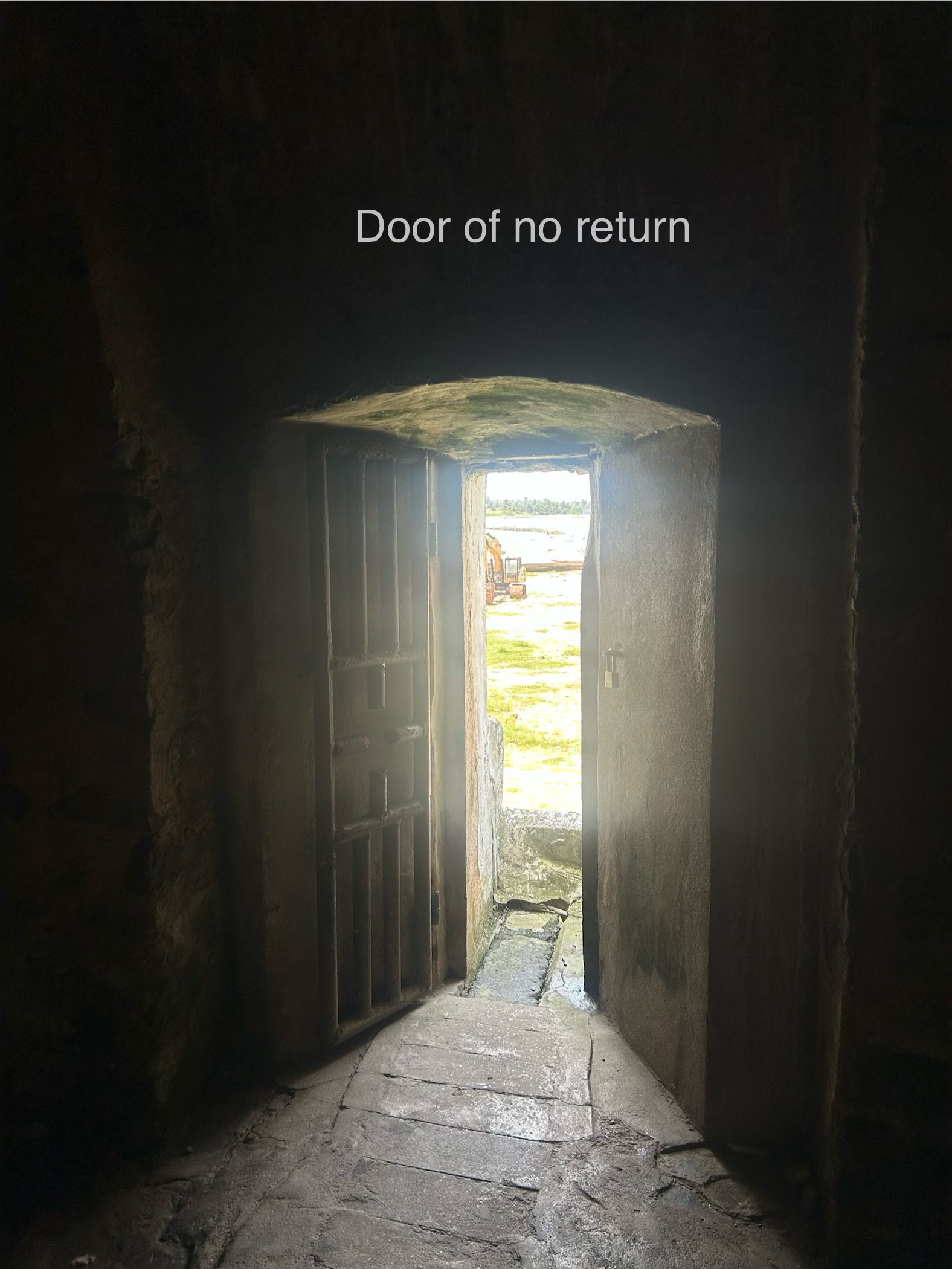
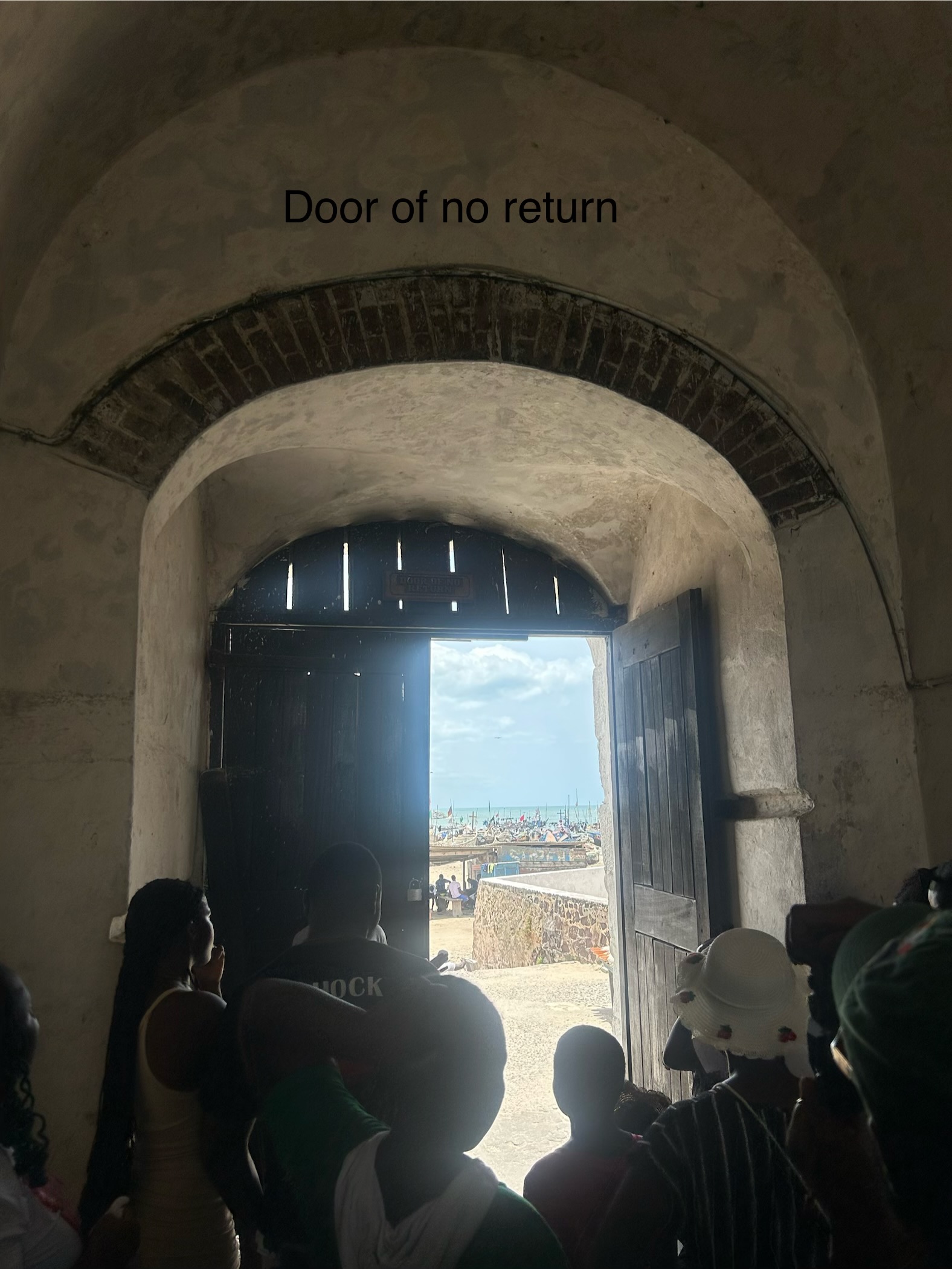 Right: Door of no return - but the sea level was higher
This stood in bright contrast with the castle governor’s bedroom, with amazing views and a sea breeze. We toured the door of no return of this castle.
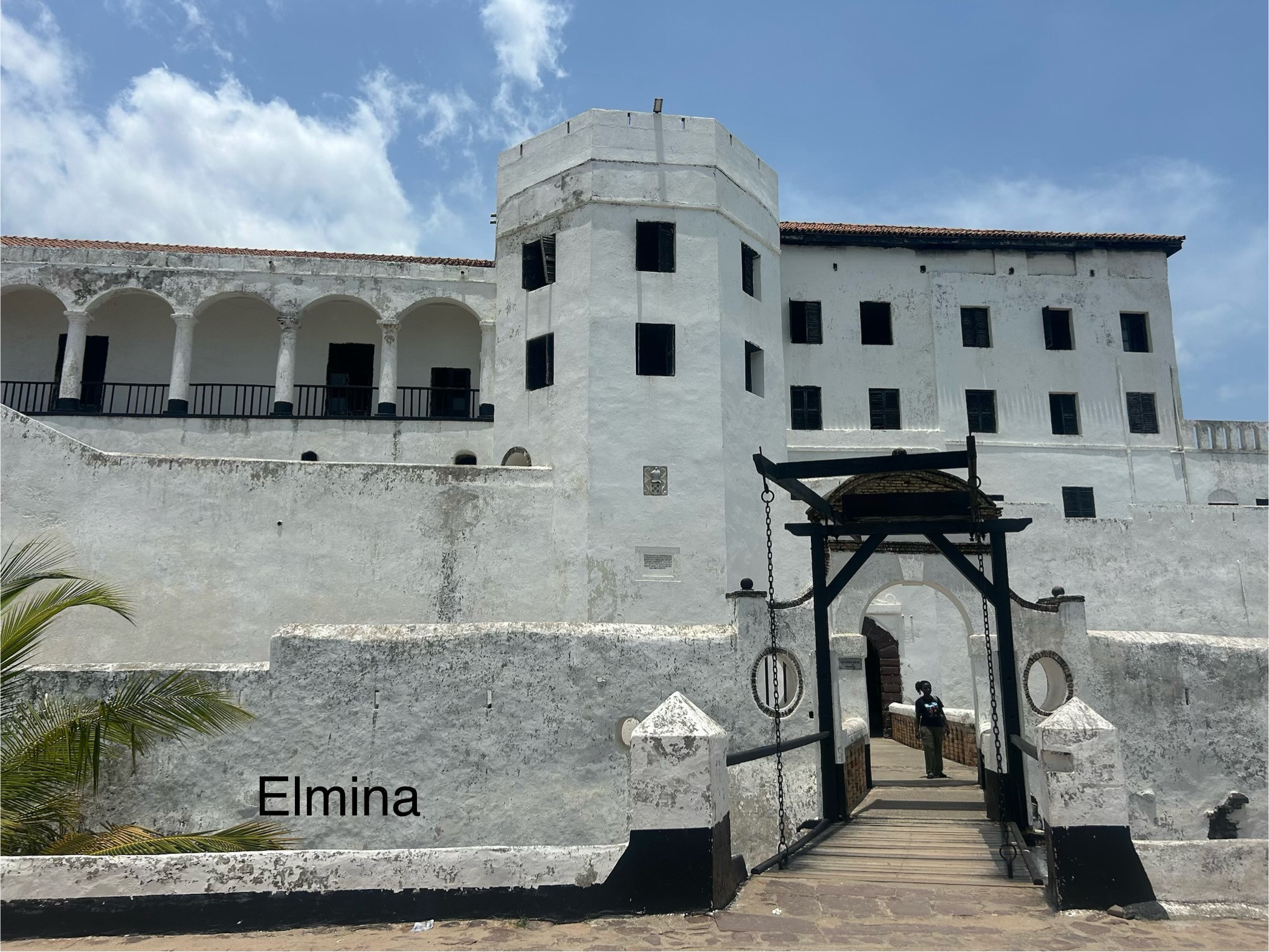
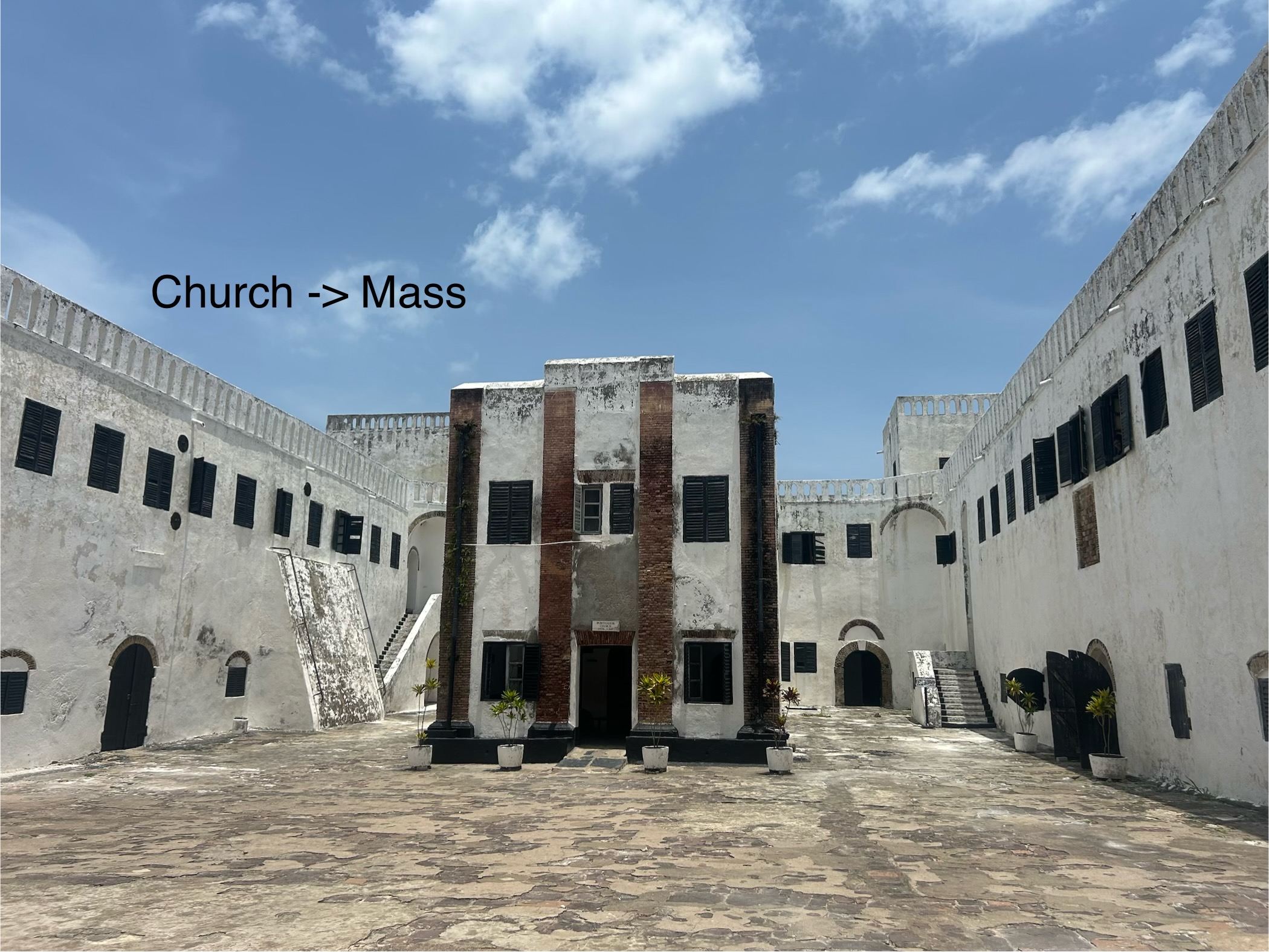
Our next stop was at Elmina Castle, built by the Portuguese in 1482. The castle was surrounded by deep moats which would have been filled with sea water. The Portuguese thought that there was gold here, and called the castle, The Mine, which is translated by the locals into Elmina.
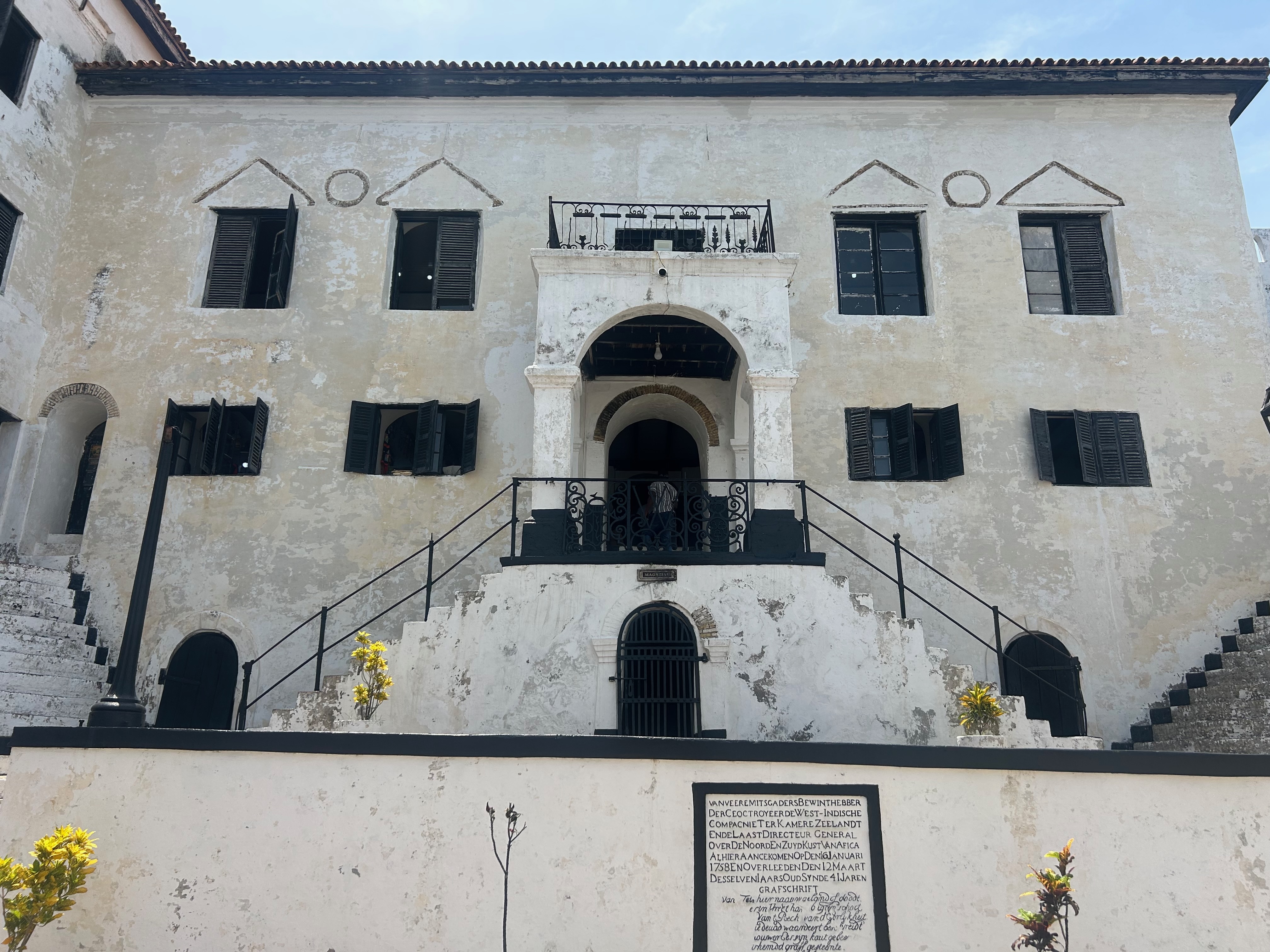
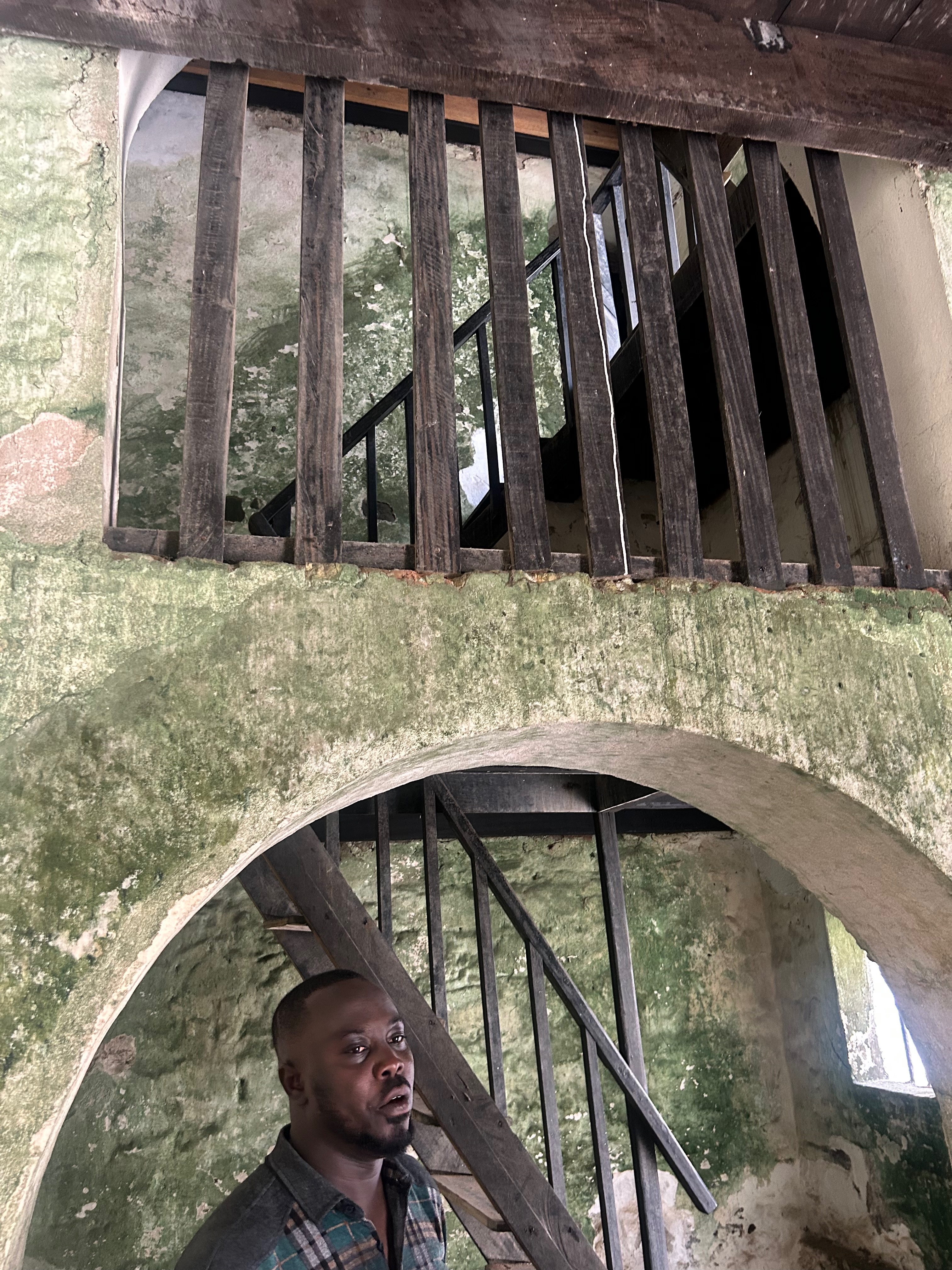
The castle’s main owners were the Dutch, until the ban of slavery in 1872 when the operations became unprofitable, and the castle was sold to the English. The Dutch also built another castle on the other side of the hill.
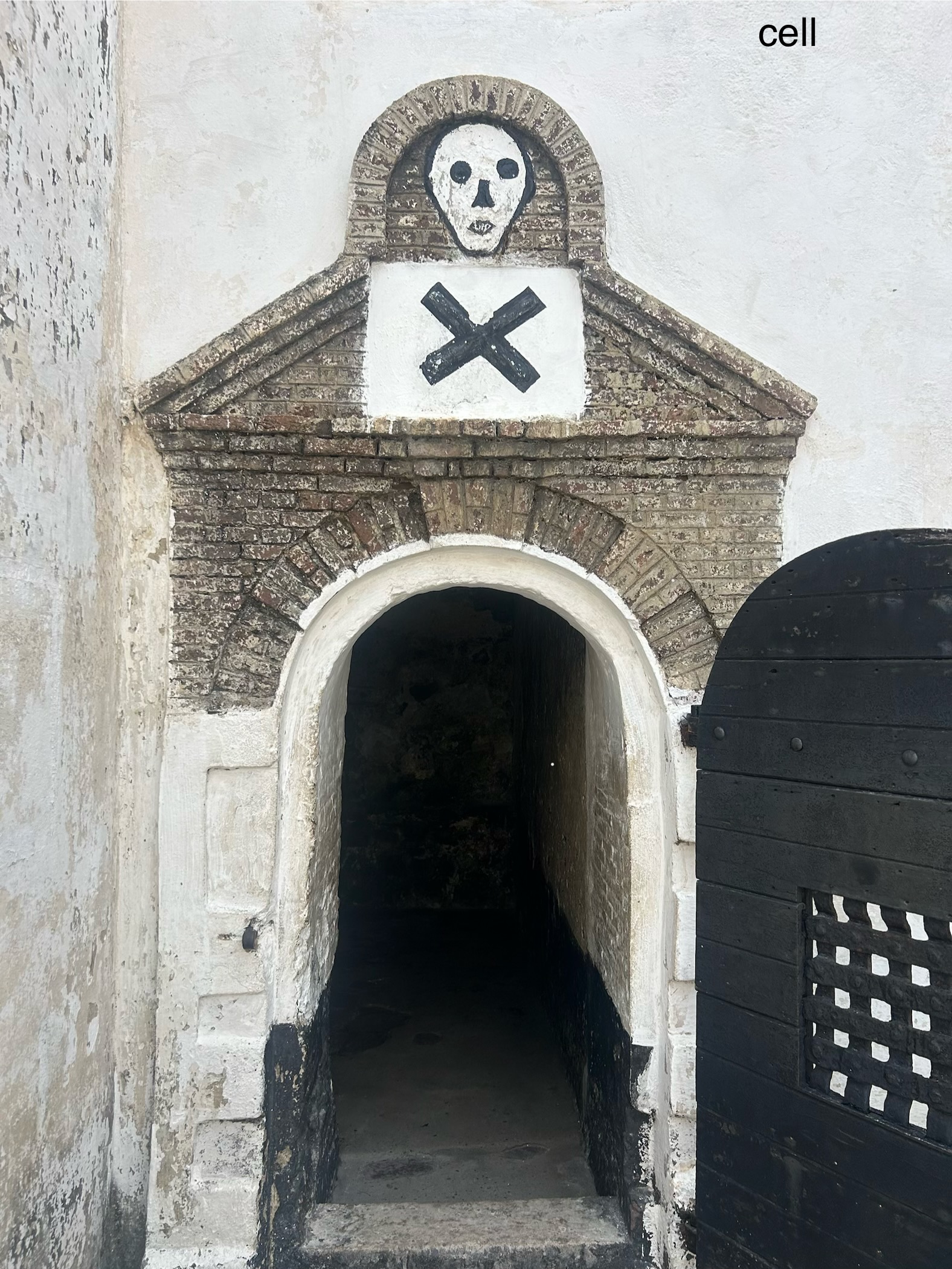
I was told the stories of the governor that used to abuse the females, with cannonballs there to chain female slaves that disobeyed. The storage rooms that once housed ivory, gold, and trades, were converted to dungeons. The castle had multiple floors (maybe around 4); the guide mentioned that the first floor housed the prisoners, second floor housed the merchants, third floor housed the soldiers and the highest floor housed the administrators; where you lived reflected your position in this castle.
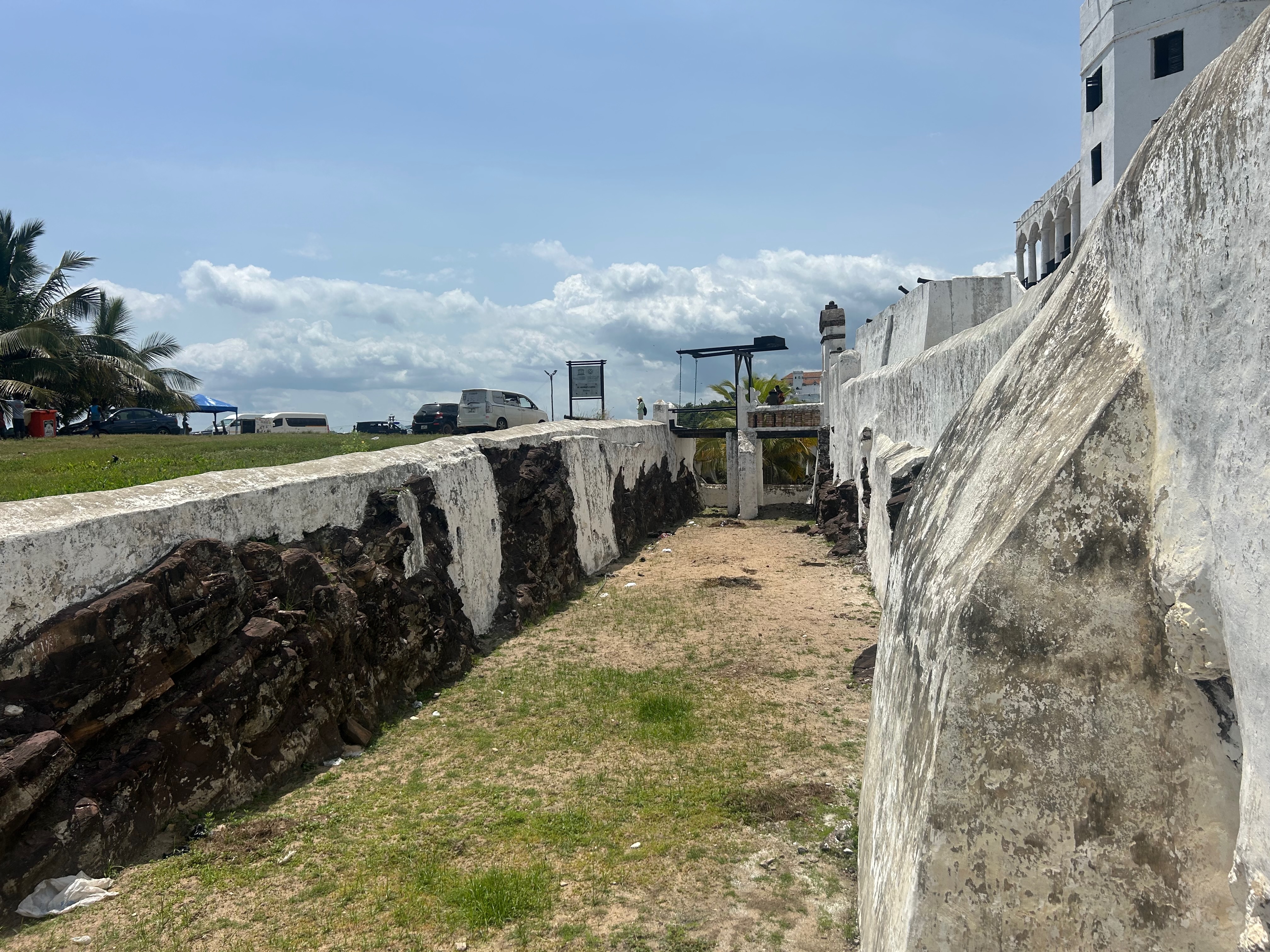
The walls and floors contained Portuguese and Dutch bricks; when the ships from Europe came, the bricks were for balance, then slaves replaced the bricks on the way to the Americas.
Elmina Castle is the first sub-Saharan European castle (not fort) to be built.
Our last stop was Kakum national park. This was a relatively young park, built to maintain the forestry and biodiversity.
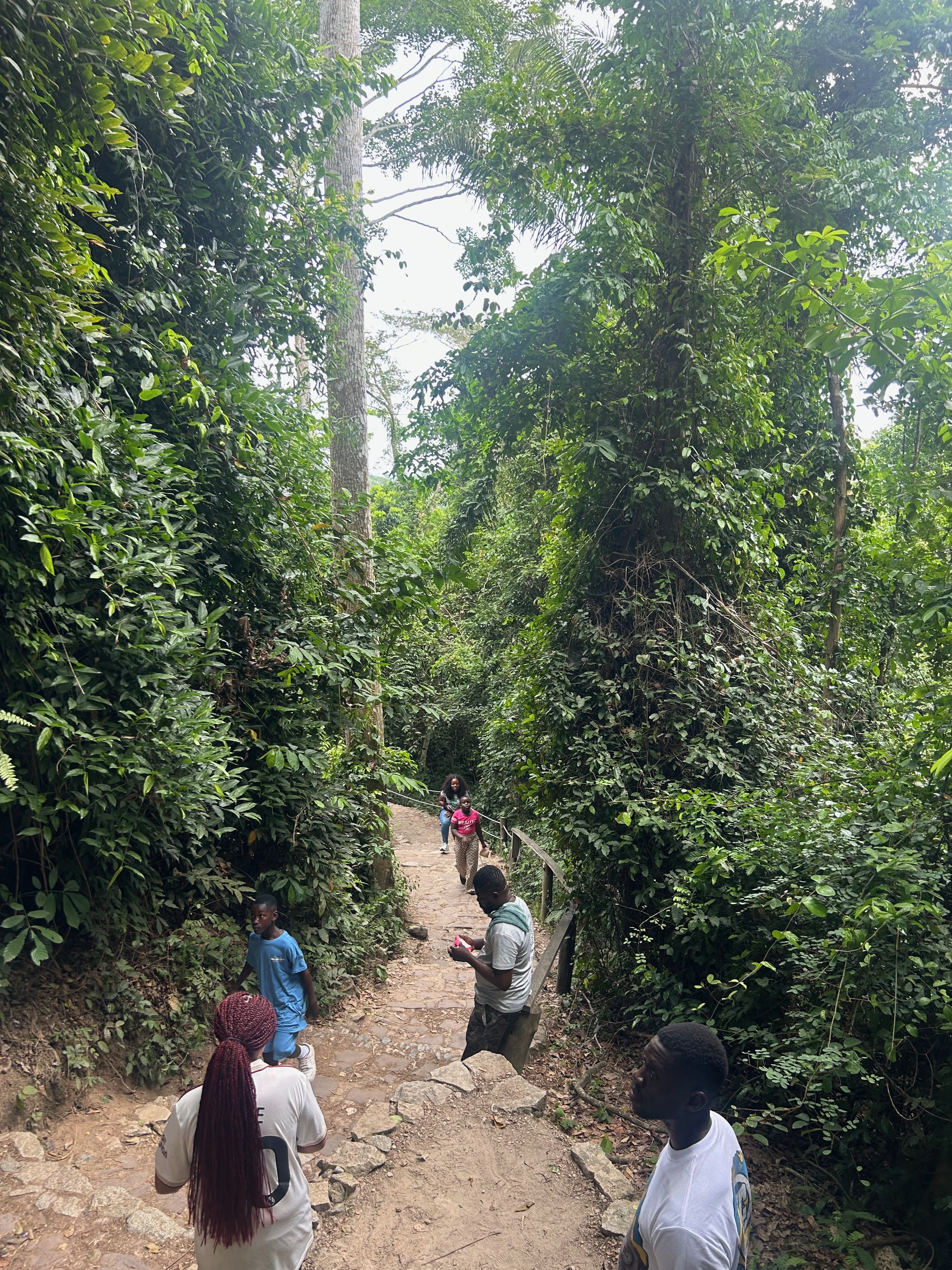
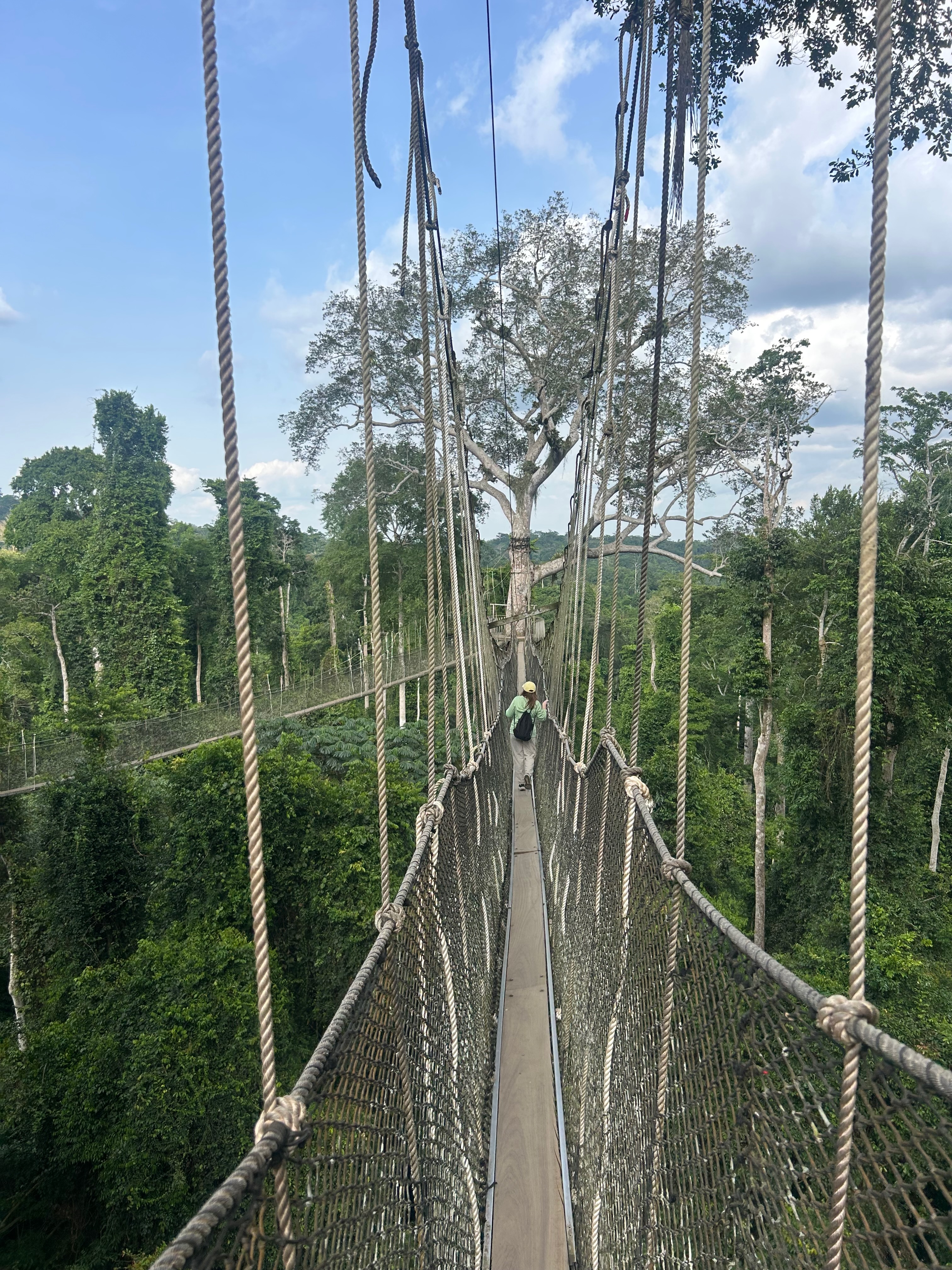
Our group climbed up through the forest with a 15-minute hike, and arrived at the main attraction of canopy walk. The walk itself was quite thrilling as the ropes were hard to hold onto and the floors were ladders with wood boards on top. We had to cross 5-6 sections of the canopy walk. The young kids behind us were jumping and racing…
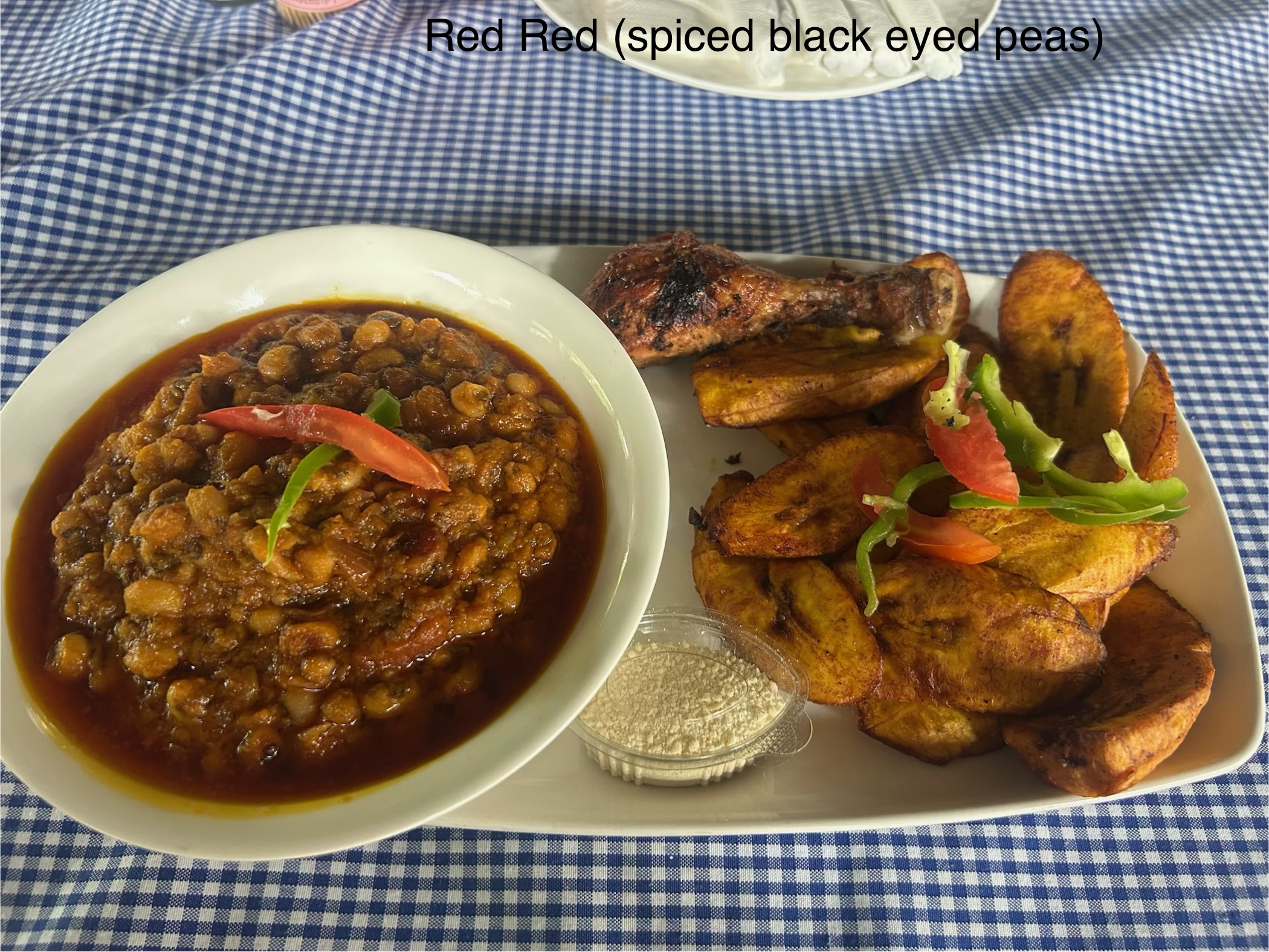
 Red red is a popular snack of black-eyed pea stew.
After a grueling drive (4:30pm -> 10:15pm), and many traffic jams, we finally made our way back to Accra. I said goodbye to the three Americans from the tour (1 female teacher from Wisconsin, and a couple from Atlanta).
That night, I was woken up by the loud winds, and I woke up at 5:30am to the heavy rain, as I made my way to the airport and said goodbyes to Accra and Ghana.
Reflecting back, I saw a door of no return in Jamestown Accra, a door of no return in Osu Castle, and two doors of no return at Cape Coast castle and Elmina castle.
Ghana is very developed; the people are very welcoming (especially with many American diaspora returning); I really appreciate the opportunity to finally visit here since learning about the country during my high school geography class.
[Receive future updates]